
In-depth review
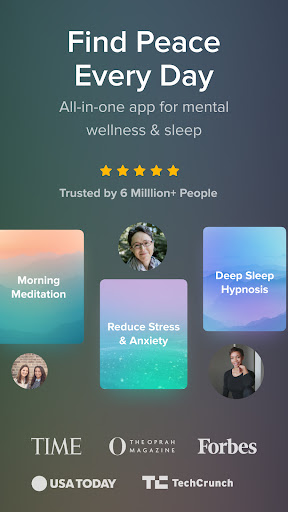
Aura: Meditation & Sleep feels like an app designed for people who do not just want a timer and a few generic meditation tracks, but a broader daily wellness companion. After spending time with it, what stood out most was not any one headline feature, but the overall tone of the experience: supportive, approachable, and flexible enough to meet you where you are. It is one of those apps that clearly wants to become part of your routine rather than simply serve as a tool you open once in a while.
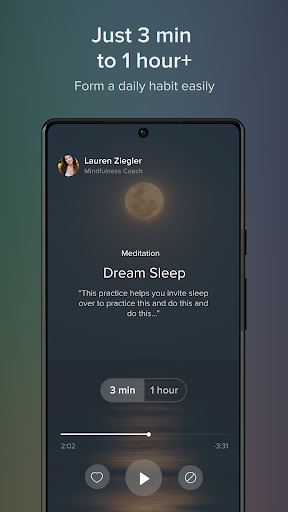
The first thing Aura gets right is accessibility. A lot of meditation and sleep apps can feel like they are pushing you toward a subscription wall within minutes, but Aura makes a better first impression by offering enough substance up front to let you actually understand what the app is about. That matters because this is not a niche utility; it is trying to help with stress, sleep, mood, mindfulness, breathwork, and more. If the onboarding felt stingy or overly sales-driven, the whole experience would collapse quickly. Instead, Aura feels inviting. It encourages you to start small, and that “just a few minutes” philosophy works well in practice. On busy days, it is easy to open the app, pick something short, and feel like you got a real reset instead of just checking a wellness box.
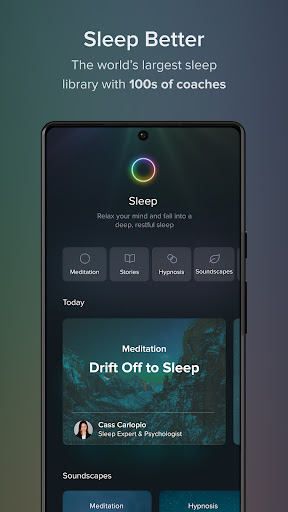
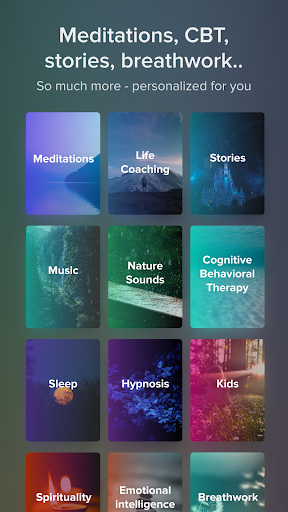
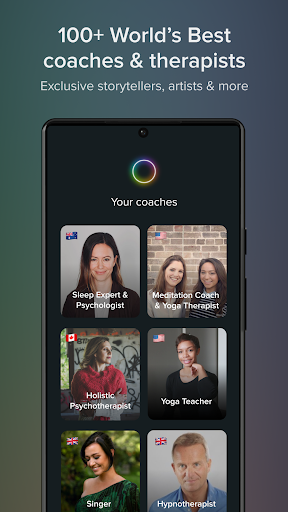
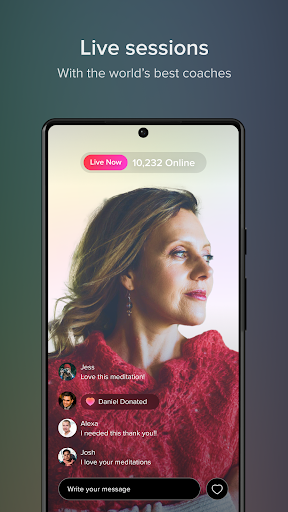
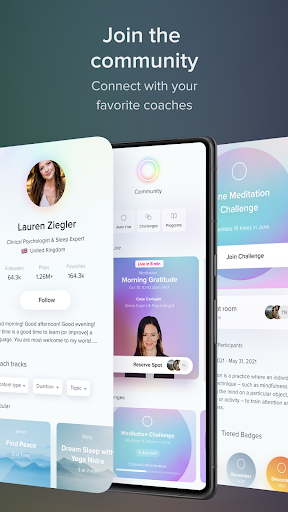
The second major strength is variety. In daily use, Aura does a good job avoiding the stale, samey feeling that can creep into meditation apps after a week. There is a broad spread of guided content, including meditations, breathwork, sleep-focused sessions, affirmations, and related self-care material. The range of session lengths also helps. Some days I wanted something brief and grounding; other times I wanted a more immersive session before bed. Aura supports both moods well. It also helps that the coaching voices and styles do not feel cloned from the same script. That variety gives the app a more human texture, and it makes it easier to keep coming back.
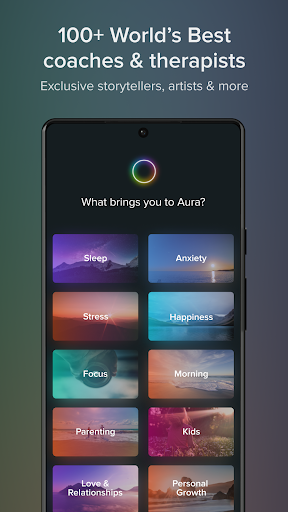
The third strength is personalization, or at least the feeling of it. Aura is at its best when you open it because you are stressed, restless, or mentally scattered and want the app to meet that exact moment. It does a respectable job framing the experience around current mood and intention rather than forcing you through a rigid library structure. That may sound like a small thing, but it changes how the app fits into real life. Instead of asking, “What course should I be on?” you are more likely to ask, “What do I need right now?” Aura’s design philosophy seems built around that question, and it makes the app feel less clinical and more usable.
That said, Aura is not flawless. The biggest weakness is stability. During testing, the app occasionally felt less smooth than it should for a product centered on calm and consistency. Meditation apps have a higher bar here than most categories because even a minor interruption can break the mood instantly. A random shutdown, hesitation, or glitch is more annoying in a sleep or mindfulness app than it would be in, say, a shopping app. Aura is still very usable overall, but moments of technical roughness do undercut its premium feel.
Another issue is that Aura can sometimes feel a little too broad for its own good. There is a lot here, which is part of the appeal, but that also means the app occasionally loses some focus. If you are the kind of person who wants one clearly structured path with minimal decision-making, the abundance of categories and content can feel slightly diffuse. Aura works best when you appreciate having options. If you prefer a very disciplined, pared-down experience, it may come across as more wellness hub than meditation essential.
The third drawback is tied to that same design ambition: not every part of the experience feels equally polished. The core content is strong, and the app’s emotional tone is warm, but there are stretches where the interface or flow feels just a bit less refined than the best-in-class meditation products. Nothing here is disastrously bad, and I never found it confusing enough to abandon, but there were moments when I wanted a cleaner sense of progression or a more frictionless path back into favorite routines.
Still, Aura has a lot going for it. I especially liked that it does not seem built only for seasoned meditators. Beginners can drop in without feeling judged or overwhelmed. The short sessions are practical, the content categories are broad enough to support different needs, and the app’s voice stays encouraging rather than preachy. The inclusion of sleep content, breathwork, journaling, and mood tracking also gives it more staying power than an app you use only for one nightly meditation. If you are building a general self-care routine, Aura makes sense because it can support different states of mind throughout the day.
Who is this app for? It is a very good fit for people who want a flexible wellness app that blends meditation with sleep support and light self-reflection tools. It is especially good for busy users, stressed students, parents, or anyone trying to build a manageable daily habit without committing to long sessions every time. It is also a strong choice for people who value encouragement and personalization over strict structure.
Who is it not for? If you want a hyper-minimal meditation timer, a highly technical sleep tracker, or an ultra-polished app with zero tolerance for bugs, Aura may not fully satisfy you. It is also not the ideal pick for someone who wants a single linear program and nothing else.
Overall, Aura: Meditation & Sleep earns its strong reputation because it makes emotional self-care feel approachable. It is generous enough to be useful, varied enough to stay interesting, and thoughtful enough to feel genuinely supportive. The occasional glitches and slightly scattered feel keep it from being an unquestioned five-star experience, but it remains one of the more appealing all-in-one wellness apps on Google Play.