
Apps Games Articles
Yoga-Go: Yoga For Weight Loss
WELLTECH APPS LIMITED
Rating 4.6star icon
Editor's summary
Editor rating
star icon star icon star icon star icon
half star icon
4.5

One-line summary Yoga-Go is an easy app to recommend if you want short, approachable, highly guided home routines, but I’d hesitate if you dislike subscriptions, repetitive session design, or limited control once a workout starts.

  • Installs

    10M+

  • Developer

    WELLTECH APPS LIMITED

  • Category

  • Content Rating

    Everyone

  • Latest version

    9.5.3

  • Package

    net.beginners.weight.loss.workout.women.yoga.go

Screenshots
In-depth review
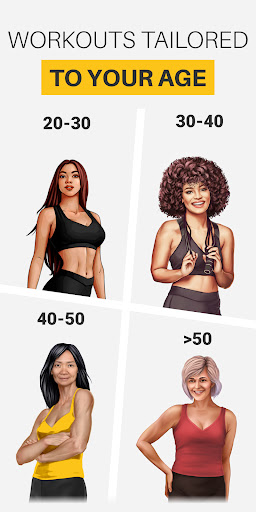
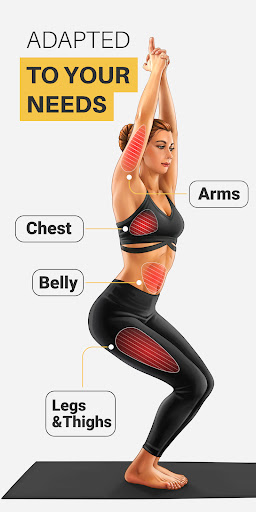
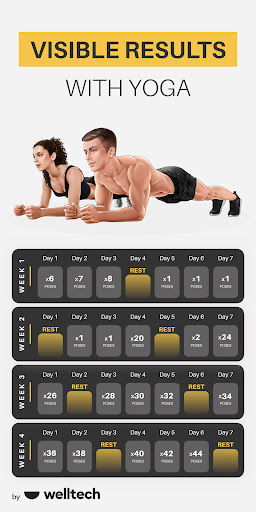
Yoga-Go feels like a wellness app designed for people who want exercise to be less intimidating, less time-consuming, and easier to fit into normal life. After spending time with it, that is the strongest thing I can say in its favor: it lowers the barrier to getting started. You open the app, answer a few questions, pick a direction, and it quickly funnels you into a structured plan that feels manageable rather than punishing. For a category full of apps that either overwhelm beginners or oversell dramatic body transformations, Yoga-Go is notably good at making daily movement feel realistic. The first thing that stood out in regular use was how flexible the app feels without becoming chaotic. It doesn’t lock everything into one rigid version of yoga. Instead, it leans into multiple styles and accessibility angles, including gentler options like chair-based routines, somatic-focused sessions, and wall-supported workouts alongside more classic yoga and Pilates-inspired programming. That variety matters because it changes the tone of the app. This is not built only for the already-flexible, already-fit user who wants to show off advanced poses. It is much more welcoming to the person coming back from inactivity, dealing with limitations, or simply looking for low-impact routines that still feel purposeful. The session structure also works in the app’s favor. Workouts are short enough to slot into a morning routine, a lunch break, or a wind-down at night. In day-to-day testing, that made a huge difference. A 10- to 30-minute session is much easier to commit to than a long class that asks for a dedicated block of time and a lot of motivation. Yoga-Go understands that convenience is part of fitness adherence. The app’s reminders and plan-based approach add a little gentle pressure without becoming obnoxious, and the overall tone is soothing rather than drill-sergeant intense. Another clear strength is how guided the experience feels. The voice instruction is calm, supportive, and generally easy to follow, which makes the app especially beginner-friendly. If you are someone who wants to be told exactly what to do next, Yoga-Go does that well. There is little ambiguity once a session begins. The app also appears to adjust recommendations around your selected level and goals, which helps prevent the common beginner problem of being thrown into routines that are too advanced too soon. I found this especially useful in the first few sessions, when the app felt more like a coach trying to keep me consistent than a giant library expecting me to self-program. That said, the same guided simplicity that makes Yoga-Go approachable also creates some of its biggest frustrations. The first is repetition. Even when sessions are reordered or framed slightly differently, many workouts can start to feel very similar. That is not always a bad thing in fitness, since repetition builds familiarity and confidence, but over time the app can give the impression that it is remixing a limited vocabulary rather than constantly delivering fresh classes. If you thrive on novelty, choreography, or a strong sense of progression through distinctly different routines, Yoga-Go may begin to feel samey. The second weakness is control, or the lack of it once a workout is underway. In use, I kept wanting a bit more freedom to tailor the experience on the fly. Being able to skip a move, swap out an exercise that doesn’t suit your body, or more easily move backward and forward within a session would make a real difference. Yoga-Go works best when you follow along continuously from start to finish. That is fine in a quiet room, but less ideal in real life, where interruptions happen and not every move is comfortable for every body. The third sticking point is the subscription wall. Yoga-Go is free to download, but it is not the kind of app where you can expect broad ongoing use without paying. That does not automatically count against it, because subscription fitness apps are common and the guided plans have clear value, but it does mean the app has to win you over quickly. If you are looking for a rich free yoga app with lots of open access before commitment, this is not really that experience. Still, there is a lot to like here. The app feels polished in the places that matter most: onboarding, plan setup, session pacing, and the reassuring tone of the instruction. It is also one of the better examples of a fitness app that understands not every user wants high intensity. Some of the best moments in Yoga-Go come from its gentler side: stretching, mindfulness, and routines that leave you feeling looser and more grounded rather than exhausted. That broadens its appeal considerably. Who is it for? Yoga-Go is for beginners, returners, busy adults, and anyone who wants short guided home workouts with a low intimidation factor. It is also a smart fit for users who want accessible options like chair yoga, wall-supported training, or gentler sessions that still feel structured. Who is it not for? Advanced yogis looking for deep technical instruction, users who hate subscription-based access, and anyone who gets bored quickly with repeated movement patterns may find it limiting. Overall, Yoga-Go succeeds because it makes consistency feel possible. It is not the deepest yoga platform I have used, and it can be a little restrictive and repetitive, but it is genuinely effective at getting you onto the mat and keeping you there. For many people, that will matter more than having the flashiest class library or the most advanced features.