
Apps Games Articles
White Noise
TMSOFT
Rating 4.5star icon
Editor's summary
Editor rating
star icon star icon star icon star icon
half star icon
4.5

One-line summary White Noise is easy to recommend for sleepers, parents, and tinnitus sufferers who want dependable offline sound masking without ads or a subscription trap, but it’s less compelling if you want a modern, minimalist interface.

  • Installs

    100K+

  • Developer

    TMSOFT

  • Category

  • Content Rating

    Everyone

  • Latest version

    8.2

  • Package

    com.tmsoft.whitenoise.full

In-depth review
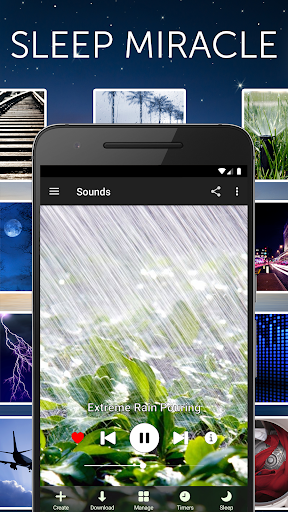
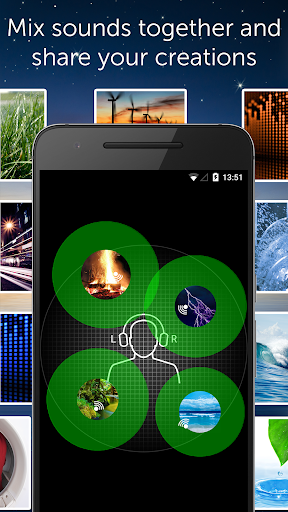
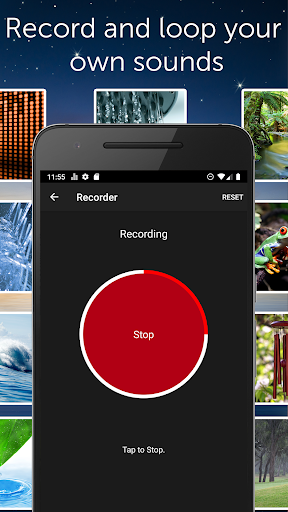
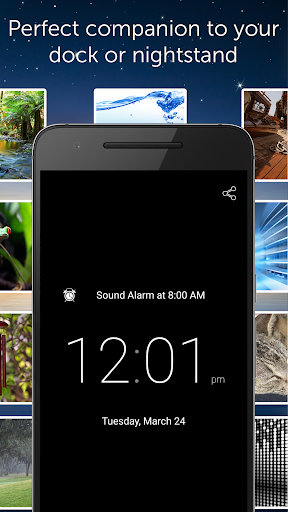
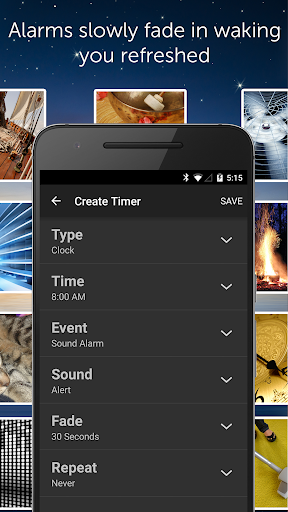
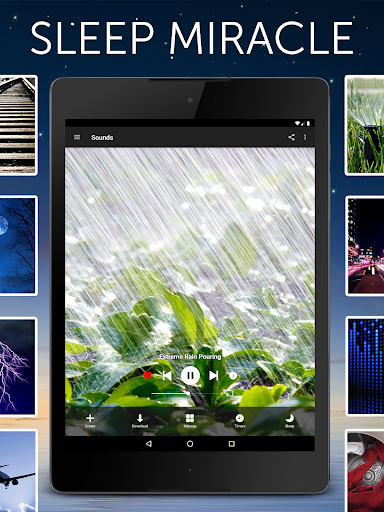
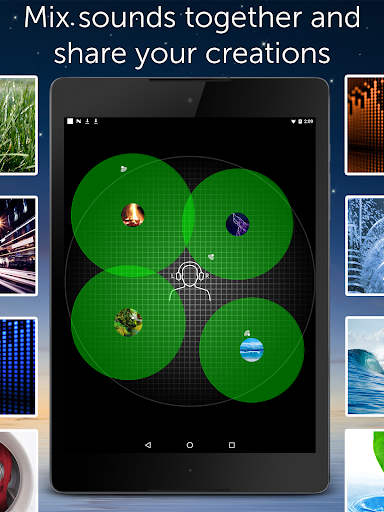
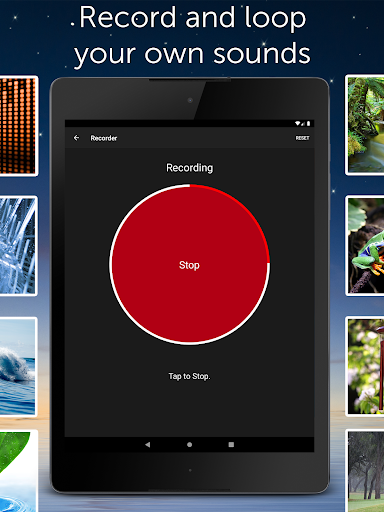
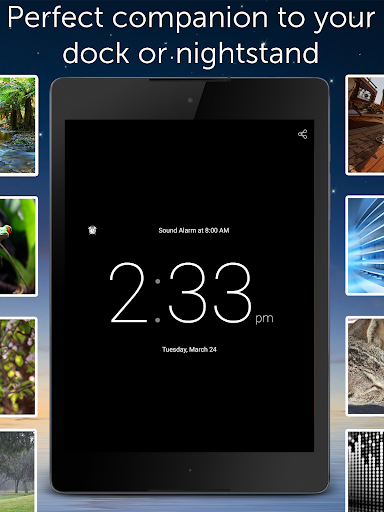
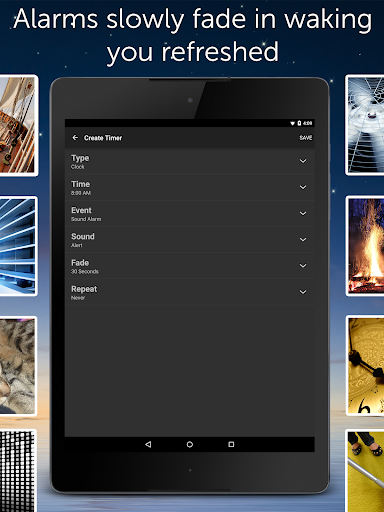
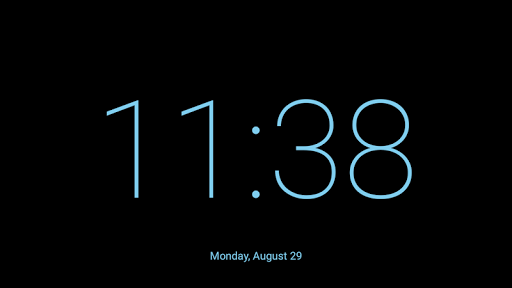
White Noise feels like the kind of app that has been shaped by years of practical bedside use rather than flashy app-store trends. After spending time with it as an overnight sleep companion, a daytime focus tool, and a general-purpose sound masker, the biggest takeaway is simple: this app understands its job. It is built to create a stable, low-friction audio environment, and in day-to-day use that matters more than slick branding or wellness buzzwords. The core experience is immediately appealing. You open the app, pick a sound, and it starts doing exactly what you expect. The included catalog is broad enough that most people will find something that works for them without needing to hunt around. There are the usual noise colors, fan-style sounds, rain, water, ocean, and other environmental options, and the key thing is that these sounds are designed for long listening sessions. In testing, White Noise worked best not as something to actively listen to, but as something to let disappear into the room. That is a compliment. A sleep sound app fails if it constantly reminds you that it is there. What makes White Noise stronger than many lighter sleep apps is the mixing system. Instead of being stuck with a single looping track, you can build layered soundscapes and adjust volume, balance, and pitch for individual elements. In practice, that feature is more useful than it first sounds. A plain rain loop may feel repetitive after a while, but combining it with a lower fan hum or a water texture produces a denser, more natural mask that is easier to live with for hours. This became one of the app’s standout strengths during use. It is not just a sound player; it gives you enough control to tailor the noise to your own ears and environment. Another major plus is that White Noise is built for continuous use. Background playback is supported, so the app keeps doing its job while you check messages, read, or leave the phone on a bedside table. The offline nature of the included sounds is also genuinely valuable. There is no sense that you are renting your sleep session from an internet connection. On a plane, in a hotel, or in a room with spotty service, the app remains reliable. That reliability is part of the reason it feels more serious than many “sleep better” apps that are really just storefronts for subscriptions and streaming libraries. The no-ads experience also deserves credit. For an app meant to help people sleep or calm down, interruptions would be fatal. White Noise avoids that mistake, and the result is a cleaner mental experience. You are not navigating banners, pop-ups, or some manipulative funnel every time you want to start a fan sound before bed. For something you may use nightly, that design choice matters a lot. There are other thoughtful touches that make it feel like a mature bedside tool rather than just an audio catalog. The timer and alarm options with fade behavior are useful, especially if you do not want the app to stop abruptly or blast you awake. The digital clock mode is another practical addition. It will not matter to everyone, but if your phone lives on a nightstand, it makes sense and fits the app’s overall identity. That said, White Noise is not perfect, and its weaknesses are mostly about presentation and complexity rather than function. First, the interface feels more utilitarian than elegant. It is not ugly in a catastrophic way, but it does not have the visual calm or modern polish that some newer wellness apps aim for. The app feels engineered for capability, not aesthetic delight. That tradeoff may be acceptable for many users, but if you care deeply about a sleek, contemporary design language, White Noise can feel a little dated. Second, the abundance of features makes the app slightly less approachable than simpler alternatives. If all you want is “tap one sound and go to sleep,” you can absolutely use it that way, but menus for mixes, settings, timers, alarms, favorites, recording, and advanced controls create a denser experience than some people will want. During hands-on use, this was most noticeable when trying to move beyond basic playback. The power is there, but the path to mastering it is not quite frictionless. Third, the customization can occasionally expose the app’s more technical personality. Buffer settings, balance controls, pitch adjustments, custom snooze behavior, and similar options are great for people who like tuning things precisely, but they also make the app feel less cozy than more guided sleep products. White Noise can sometimes feel like a toolbox first and a wellness experience second. That is not necessarily a flaw, but it does define who will connect with it. As for sound quality and long-session comfort, the app generally performs well. The loops are made for repetition, and while no looping sound is completely immune to pattern recognition over time, White Noise does a better job than most at staying unobtrusive. It was especially effective when used to cover intermittent distractions like street noise, plumbing sounds, or the kind of tiny household noises that become huge once the room goes quiet. It is also easy to see why people with tinnitus would gravitate to it; broad, stable masking sounds are one of the app’s strongest use cases. White Noise is best for people who want practical sound masking above all else: light sleepers, travelers, parents trying to calm a baby, office workers who need focus noise, and anyone who wants an offline, ad-free sound app that can run for long periods without drama. It is also a very good fit for users who like building their own mixes instead of accepting a fixed playlist. It is less ideal for people who want a highly curated meditation experience, an ultra-modern interface, or the simplest possible sleep app with almost no settings. If your priority is visual design or guided wellness content, this may feel too mechanical. But if your priority is dependable audio that works night after night, White Noise earns its place. In the end, White Noise succeeds because it treats sleep audio as a utility and gets the fundamentals right. It is flexible, reliable, generously featured, and refreshingly free of the junk that ruins so many relaxation apps. It may not be the prettiest app on your phone, but when the lights are off and you need the room to sound different, it is one of the more convincing options available.