
Apps Games Articles
Stack Ball - Crash Platforms
CASUAL AZUR GAMES
Rating 4.2star icon
Editor's summary
Editor rating
star icon star icon star icon star icon empty star icon
4.1

One-line summary Stack Ball is an instantly satisfying arcade time-killer with excellent pick-up-and-play flow, but its heavy ad pressure and limited long-term variety make it easier to enjoy in short offline bursts than as a game you commit to for weeks.

  • Installs

    100M+

  • Developer

    CASUAL AZUR GAMES

  • Category

    Arcade

  • Content Rating

    Teen

  • Latest version

    1.1.16

  • Package

    com.azurgames.stackball

In-depth review
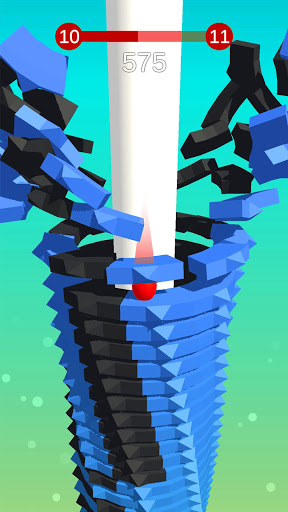
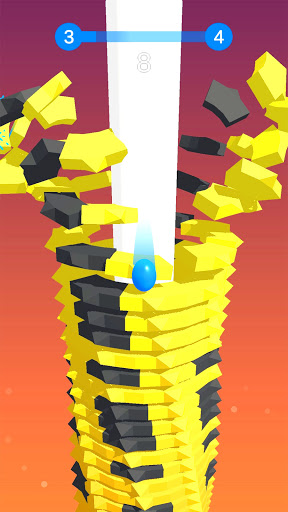
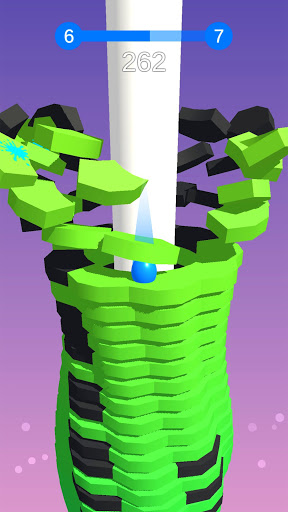
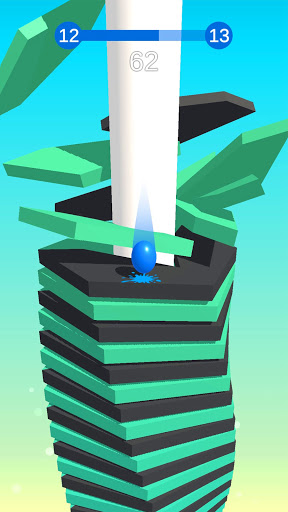
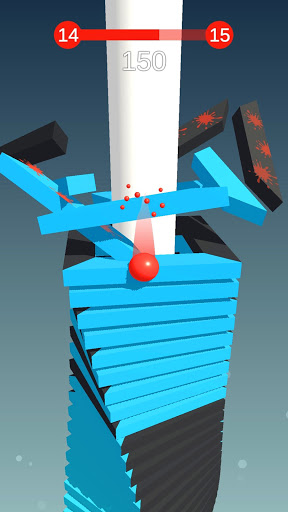
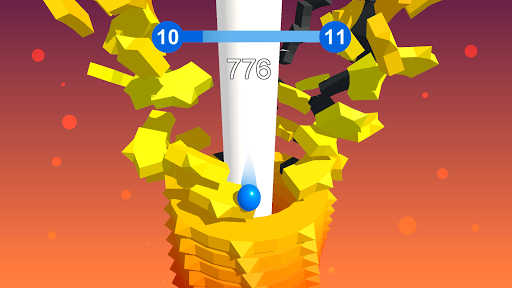
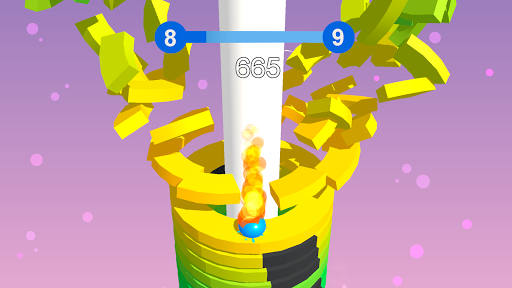
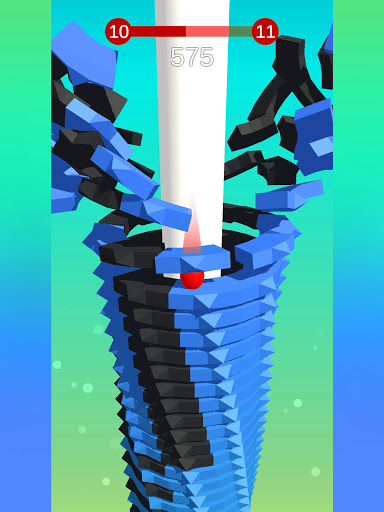
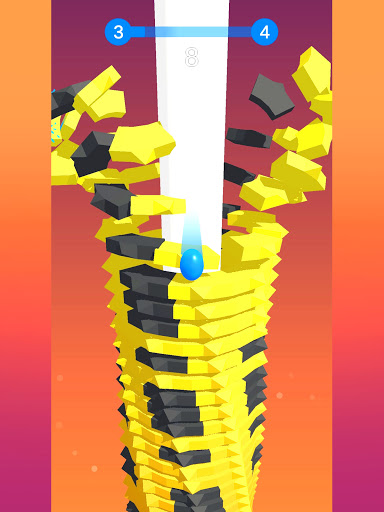
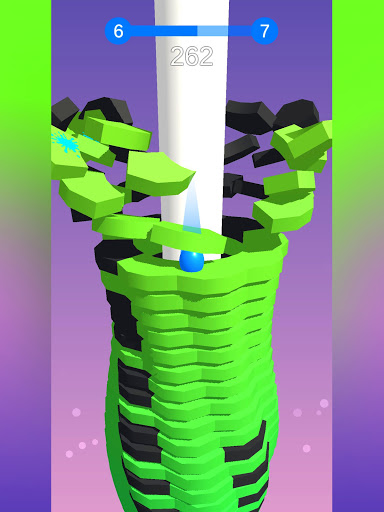
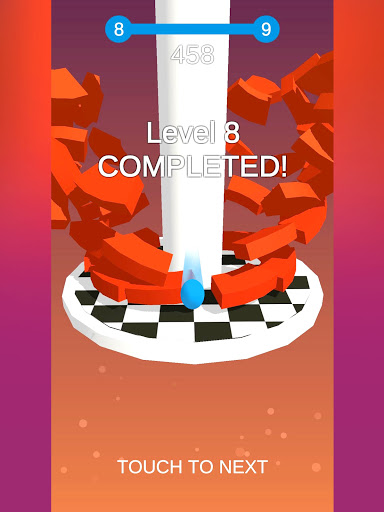
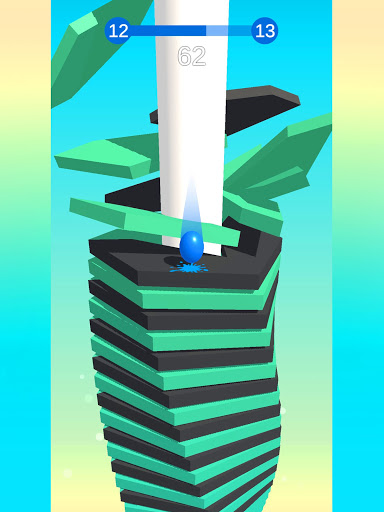
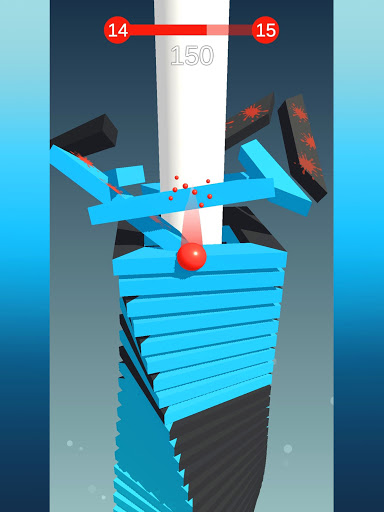
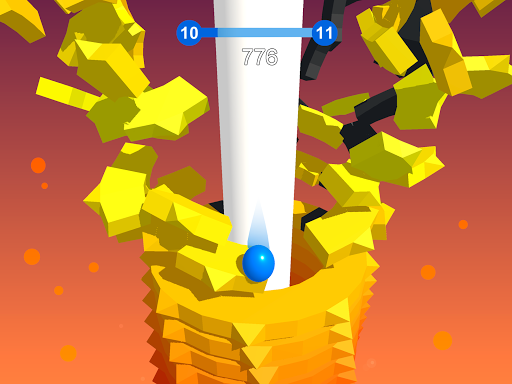
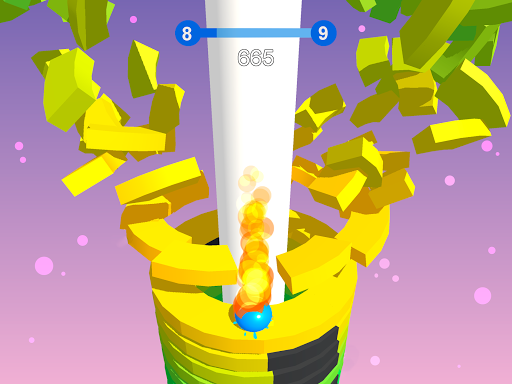
Stack Ball - Crash Platforms knows exactly what kind of mobile game it wants to be: fast, simple, tactile, and just addictive enough to keep you saying “one more run” far longer than you planned. After spending time with it, what stands out most is how quickly it gets out of your way. You tap, the ball smashes downward through bright rotating platforms, and within seconds you understand the whole loop. That immediate clarity is one of the game’s biggest strengths. There is almost no learning curve, and because each stage is so short, it is incredibly easy to slip into a rhythm whether you have two minutes to spare or twenty. The best part of Stack Ball is the feel of the descent itself. The game is built around a very simple action, but it sells that action well. Crashing through multiple colored layers in one streak has a pleasing sense of momentum, and the moment when your ball builds enough speed to become a temporary fireball still feels good even after many rounds. The controls are about as accessible as mobile games get, and that works in its favor. This is not a precision platformer or a twitch game demanding perfect timing every second. It is more about reading the spin of the tower, waiting a beat, then committing to a satisfying drop. In short sessions, that loop is genuinely relaxing. Visually, the app does enough to support the experience without overcomplicating it. The colors are bright, the motion is easy to track, and the presentation is clean enough that you always know what is safe and what will end your run. It is not a showcase title for cutting-edge effects, but it does not need to be. The visual design serves readability first, and that is the right choice for this kind of arcade game. It also helps that the app runs with a breezy, lightweight feel most of the time, which suits a game clearly designed to be opened on impulse. Another real advantage is how well Stack Ball works as a low-commitment stress reliever. Because levels are brief and failure is instantly understandable, there is very little friction between deciding to play and actually having fun. It is easy to use as a filler game while commuting, waiting in line, or taking a short break. It also benefits from being playable offline, which dramatically improves the experience. In fact, offline play feels like the cleanest way to enjoy it, because the core gameplay loop is strong enough on its own without interruptions. That last point leads directly to the game’s biggest problem: ads. When played online, the ad frequency can feel aggressive enough to damage the pacing. Since individual levels are often over in moments, even a short ad can feel disproportionately long compared to the gameplay you just completed. In the best arcade games, failure or success creates a strong “restart instantly” impulse; here, that energy is too often interrupted. This does not make the game unplayable, but it absolutely changes the tone from smooth and compulsive to stop-and-start, especially if you are trying to stay immersed. The second weakness is depth. Stack Ball is excellent at delivering a simple mechanic cleanly, but it does start showing its limits once the novelty wears off. After a while, the game can begin to feel more like a test of patience and repetition than a steadily evolving challenge. The basic idea remains fun, but the long-term progression does not always feel meaningfully different from one stretch of levels to the next. If you are the kind of player who needs new mechanics, fresh objectives, or a strong sense of escalating complexity, this may start to feel thin sooner than you expect. Related to that is the game’s uneven difficulty curve. Early on, Stack Ball nails that sweet spot between easy and engaging. But over extended play, it can become too forgiving, especially for players who quickly master the timing. The challenge often comes less from genuinely clever level design and more from maintaining focus. That makes the game ideal for casual sessions, but less compelling if you are looking for a game that continually tests and expands your skill. There are also occasional rough edges in performance and flow. The app generally feels smooth, but there are moments where freezing or stutter can break the momentum, and in a game this simple, momentum is everything. Even minor hiccups stand out because the entire experience depends on fluidity. So who is Stack Ball for? It is for players who want a bright, accessible arcade game they can understand immediately and enjoy in very short bursts. It is especially good for people who like satisfying visual feedback, low-stakes gameplay, and offline-friendly distractions. It is not for players seeking strategy, variety, or a deeply rewarding long-term progression system. And if you have a very low tolerance for ads, you will likely find the online experience frustrating. Overall, Stack Ball succeeds because its core interaction is so inherently satisfying. Smashing through those spinning layers still has charm, and the game’s simplicity is more often a virtue than a limitation. But that same simplicity, combined with ad-heavy pacing and modest variety, keeps it from being a truly essential download. Recommended, yes—but with the clear understanding that it shines brightest as a quick, casual, mostly offline time-killer rather than a game you will want to obsess over indefinitely.