
Apps Games Articles
Magic Tiles 3™ - Piano Game
AMANOTES PTE. LTD.
Rating 4.6star icon
Editor's summary
Editor rating
star icon star icon star icon star icon empty star icon
4.3

One-line summary Magic Tiles 3 is easy to recommend for its addictive tap-to-the-beat gameplay and huge song selection, but the constant ad interruptions and occasional input frustration keep it from feeling truly premium.

  • Installs

    500M+

  • Developer

    AMANOTES PTE. LTD.

  • Category

    Music

  • Content Rating

    Everyone 10+

  • Latest version

    13.022.001

  • Package

    com.youmusic.magictiles

In-depth review
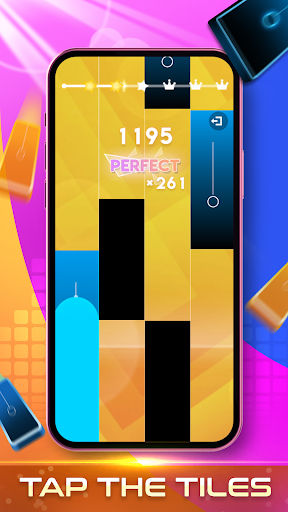
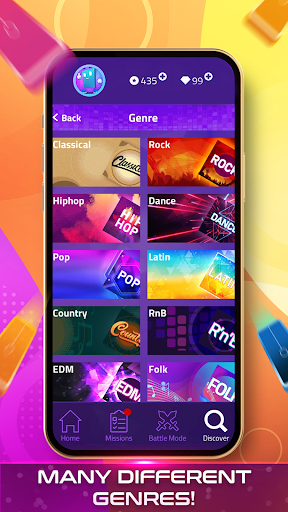
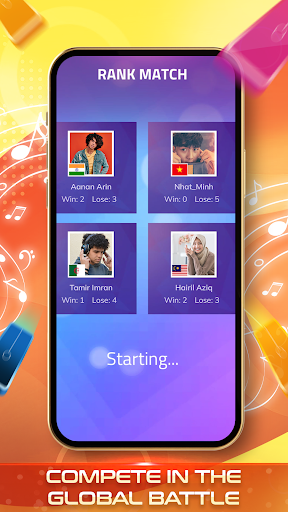
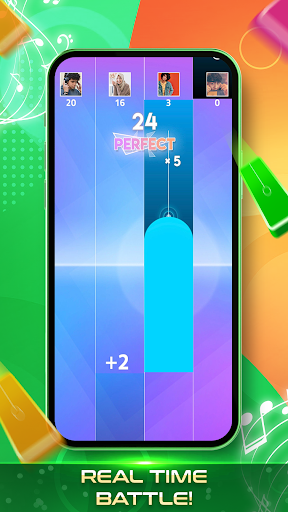
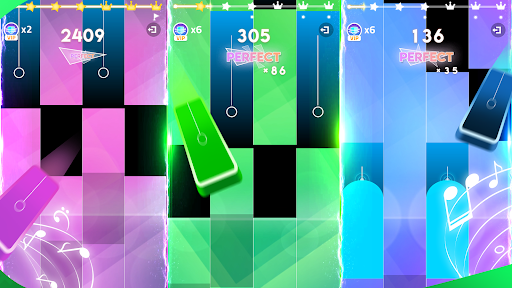
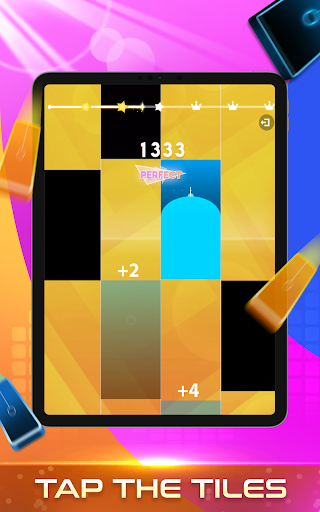
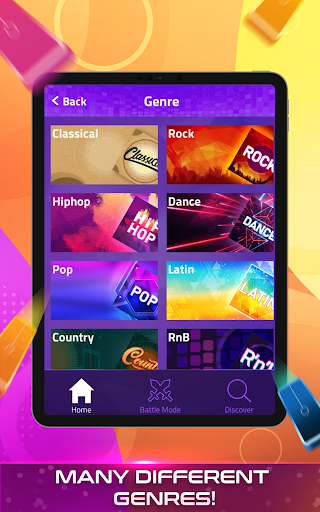
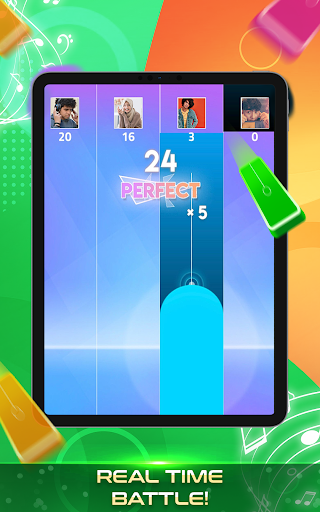
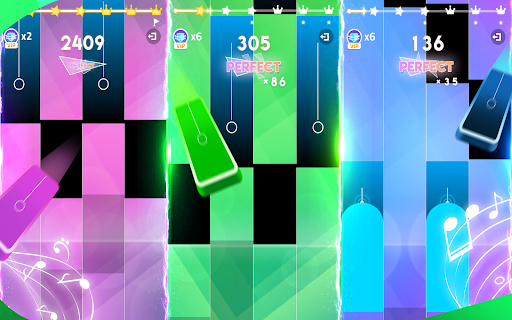
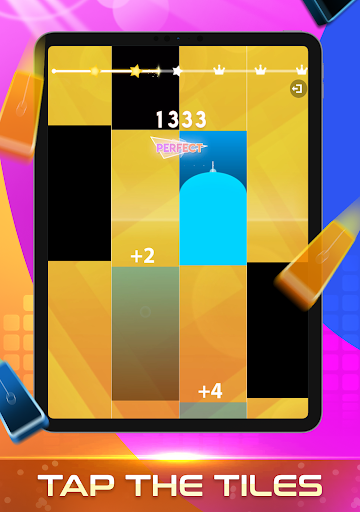
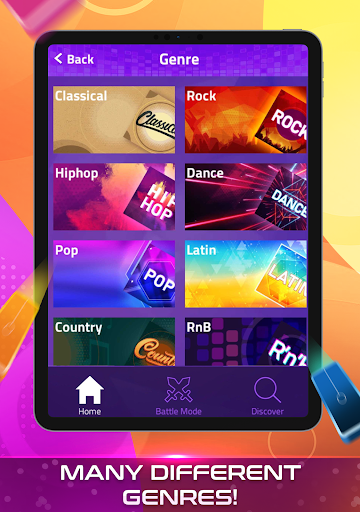
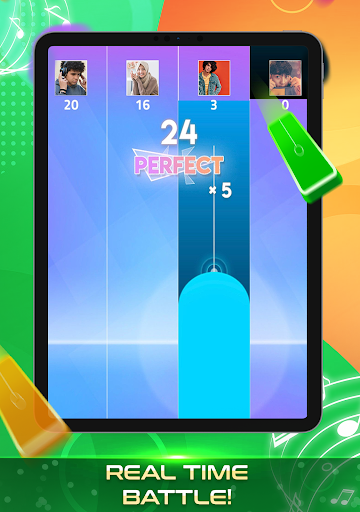
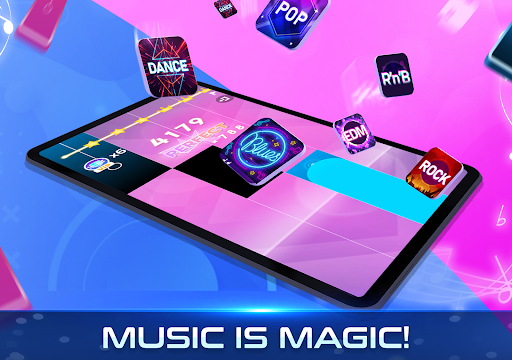
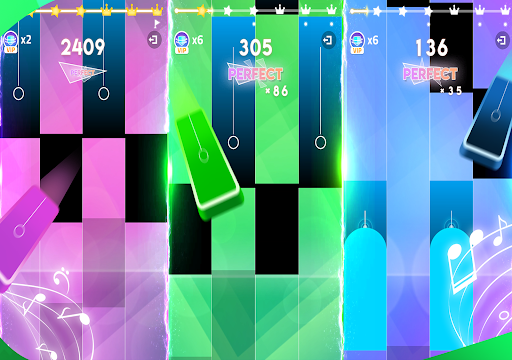
Magic Tiles 3 still understands the core appeal of mobile rhythm games better than most: it gets you playing fast, it makes you feel skillful almost immediately, and it turns a very simple action—tapping falling tiles—into something surprisingly tense and satisfying. After spending time with it, what stood out most was how little explanation it needs. You open a song, the tiles start dropping, and within seconds you are locked into that familiar rhythm-game trance where your eyes, fingers, and ears are all doing the same job. At its best, Magic Tiles 3 is genuinely hard to put down. The basic formula is simple, but the game does a good job of layering pressure onto it. Early runs feel approachable, then the pace gradually tightens, patterns become denser, and suddenly you are leaning forward and trying not to blink through the final stretch of a song. That escalation is one of the app’s biggest strengths. It gives beginners a way in, but it also keeps experienced players engaged through speed changes and longer streak-based sections that demand focus rather than random tapping. The second big strength is variety. Whether or not every song you want is here, the app does feel broad enough to support long sessions without becoming immediately repetitive. There is a real sense of browsing around, picking tracks based on mood, and building a personal routine around favorites. Some songs are better fits for the tile format than others, but in general the game succeeds at making music feel interactive rather than just decorative background audio. The audio quality is solid enough to carry the experience, and the visual presentation stays clean and readable even when the pace ramps up. A third strength is accessibility. This is one of those games you can hand to someone who never plays rhythm titles and they will understand the appeal almost instantly. Kids can enjoy it, casual players can dip in for a few songs, and more competitive players can chase cleaner runs and higher difficulty. It also helps that the game has modes and progression hooks that give you a reason to come back. Unlocks, stars, crowns, longer challenge runs, and the general “one more try” loop all work exactly as intended. That said, Magic Tiles 3 is also the kind of free-to-play game that tests your patience almost as often as it tests your reflexes. The biggest annoyance in everyday use is advertising. Ads are not merely present; they are woven directly into the stop-start rhythm of play. You can accept that as part of a free game, but that does not make it pleasant. The worst part is not any single ad, but the cumulative effect of having your momentum repeatedly interrupted. In a rhythm game, flow matters, and Magic Tiles 3 breaks that flow more often than it should. The second weakness is that touch input does not always feel perfectly trustworthy. Most of the time it works fine, but every so often you hit a tile and the game reacts as if you missed. In a genre built entirely on timing accuracy, even occasional moments like that are irritating. Sometimes that kind of issue may come from device performance or screen responsiveness, but as a player you do not experience it as a technical footnote—you experience it as a failed run. When the game is moving fast, that frustration lands hard. The third issue is song selection in a more specific sense: there may be a lot of music, but that does not always translate into the exact catalog players expect. The library feels large, yet it can still leave noticeable gaps if you come in hoping for specific artists, genres, or trending tracks. So while the app wins on quantity, it does not always win on personal relevance. You may browse excitedly and still come away wishing the lineup matched your actual listening habits more closely. There are also smaller quality-of-life rough edges. Certain mechanics around unlocking or replaying songs can feel a little too tied to watching ads. Audio timing can matter a lot in rhythm games, and players using wireless audio may wish for more calibration flexibility. None of these problems ruin the app, but together they reinforce the sense that Magic Tiles 3 is a very good game living inside a slightly overbearing free-to-play shell. Who is it for? This is an easy pick for casual mobile players, younger audiences, and anyone who likes reflex-based music games that are immediately understandable. It is also good for players who enjoy improving through repetition and chasing cleaner performance on familiar tracks. If you want a game that feels energetic, approachable, and rewarding in short sessions, Magic Tiles 3 does that well. Who is it not for? If you are highly sensitive to ads, demand perfectly reliable competitive-grade input, or want a precise song catalog that matches your personal playlist, this app may wear you down. Players looking for a completely uninterrupted rhythm experience may eventually bounce off the monetization friction. Overall, Magic Tiles 3 remains one of the more enjoyable and polished piano-tap games on Android because the core interaction is so strong. When you are in the zone, it is excellent: fast, musical, and satisfyingly stressful in the right way. But it never quite lets you forget that it is a free mobile game built around interruptions. If you can tolerate that trade-off, there is a lot of fun here.