
Apps Games Articles
Tile Explorer - Triple Match
Oakever Games
Rating 4.9star icon
Editor's summary
Editor rating
star icon star icon star icon star icon
half star icon
4.5

One-line summary Tile Explorer - Triple Match is easy to recommend if you want a genuinely relaxing puzzle game with just enough strategy to stay interesting, but the ad hooks, online requirements in parts of the experience, and push toward competition can chip away at that calm.

  • Installs

    100M+

  • Developer

    Oakever Games

  • Category

    Puzzle

  • Content Rating

    Everyone

  • Latest version

    1.74.0

  • Package

    com.oakever.tiletrip

In-depth review
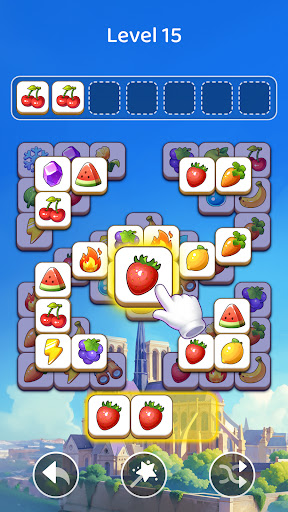
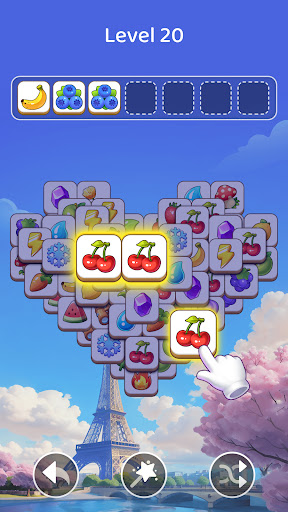
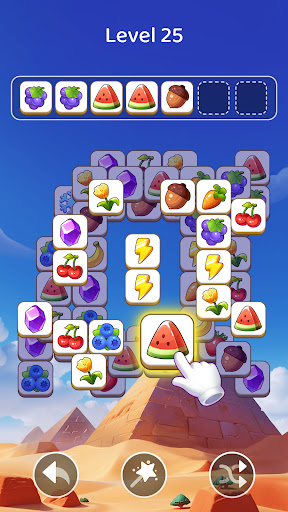
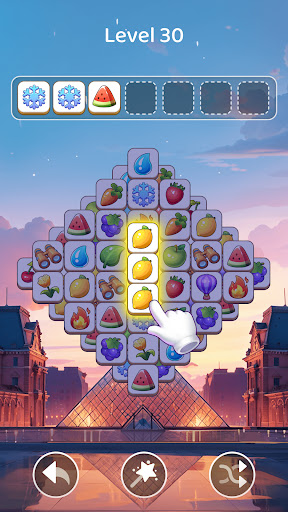
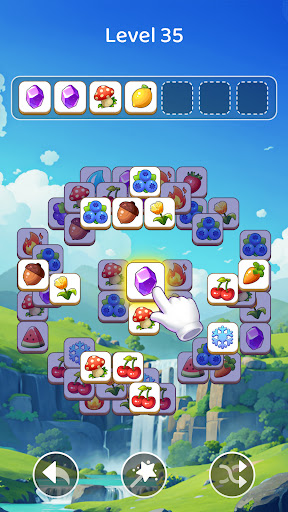
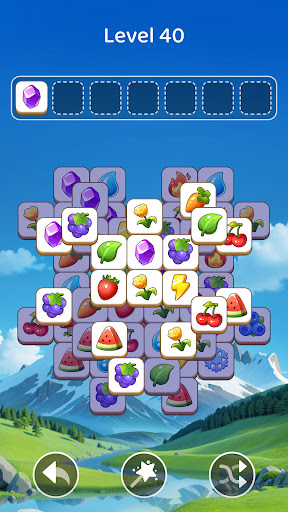
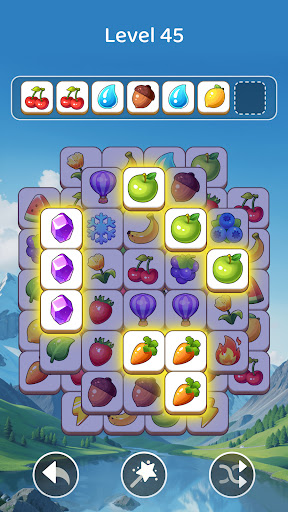
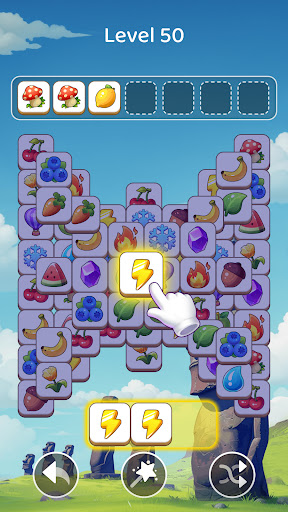
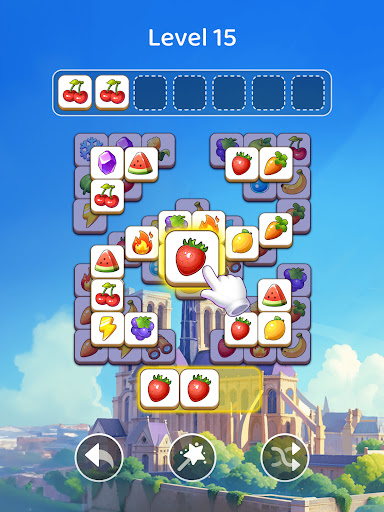
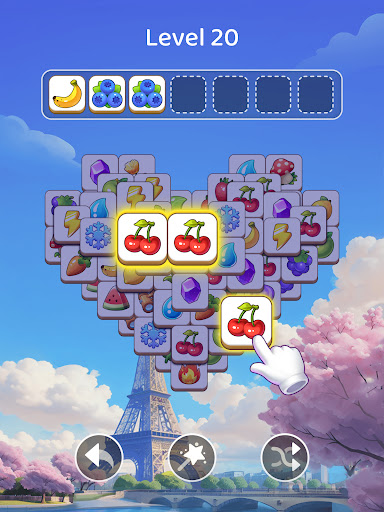
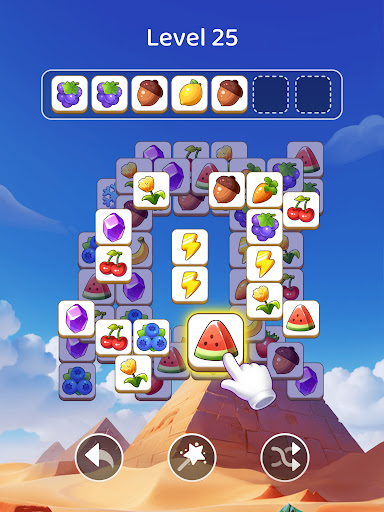
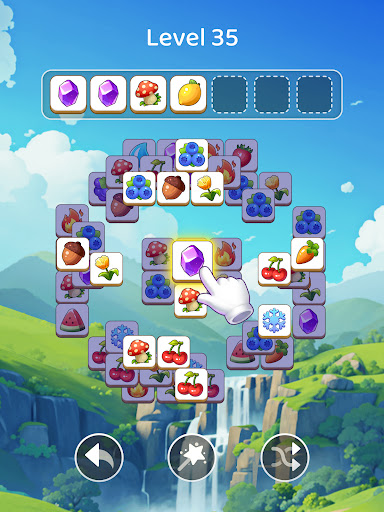
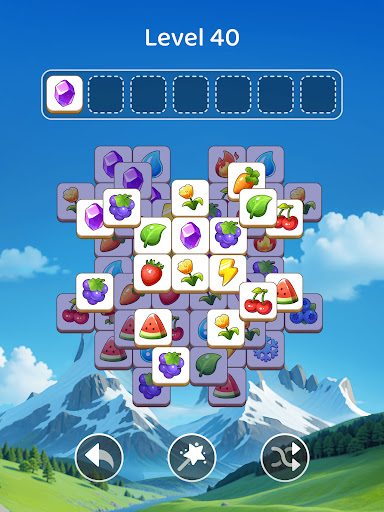
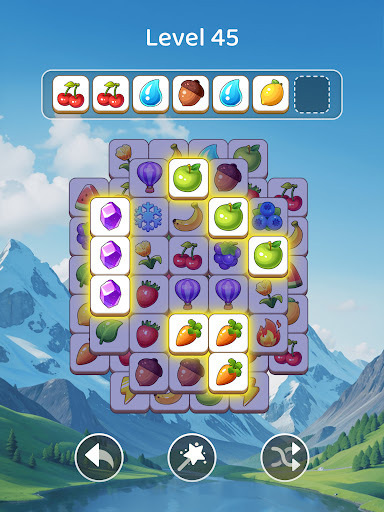
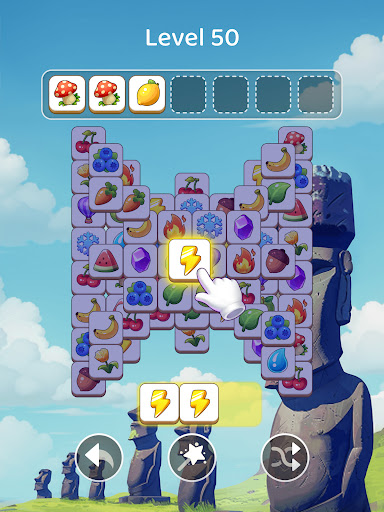
Tile Explorer - Triple Match understands something a lot of mobile puzzle games forget: relaxation is not the same as boredom. After spending time with it, what stood out most was how comfortably it sits between a wind-down game and a proper brain teaser. The core idea is familiar—tap tiles, collect matching sets of three, clear the board before your tray fills up—but the execution is polished enough that it rarely feels like just another throwaway match game. The first thing I noticed was how approachable it is. Tile Explorer does not bury you under complicated systems or demand that you learn a dozen mechanics before the fun begins. You open it, start tapping, and within a minute you understand the rhythm. That simplicity is one of the app’s biggest strengths. It is the kind of game you can play while half-watching TV, during a commute, or as a quick mental reset between tasks. At the same time, it is not mindless. The better levels reward planning ahead, scanning layers carefully, and resisting the urge to grab the first visible match. There is a nice feeling of control when you pause, read the board, and set up a chain that clears space efficiently. That moment-to-moment play is where Tile Explorer is strongest. The tiles are clear and readable, the interface is intuitive, and the audiovisual feedback is satisfying without becoming loud or chaotic. Matches feel crisp. The colorful art and soft atmosphere give the game an easygoing personality, and I can see why it works so well as a comfort-game app for many players. It is especially effective because it avoids one of the most common frustrations in mobile puzzle design: punishing speed. This is not built around a relentless timer. You can think, breathe, and make deliberate moves, which makes the challenge feel fairer and a lot less stressful than many competitors. The second major strength is that the game usually gives you a way out when things go wrong. In a lot of free puzzle games, getting stuck feels like an obvious monetization wall. Here, hitting a bad board state does not immediately turn into a dead end. There are ad-based revives and shuffles that keep the session moving. In practice, that makes the game feel less hostile than many free-to-play puzzlers. I never had the sense that every mistake was being used to squeeze me. If you are the kind of player who hates being stonewalled after a single misstep, Tile Explorer handles that tension better than most. Its third strength is variety within a simple formula. The changing backdrops, different tile sets, and steady escalation in complexity help the game avoid visual and mental stagnation. Even when the mechanic stays largely the same, the layouts do enough to keep you engaged. It is a small thing, but important: when a puzzle game asks for repeat sessions, it needs to keep the board-feel fresh, and Tile Explorer generally succeeds. That said, it is not a flawless escape. My biggest complaint is that the game does occasionally undermine its own relaxing identity. The advertising model is more tolerable than in many free games, but it is still very present. Because revives and second chances are often tied to watching ads, the game’s calm flow can abruptly break. If you are playing offline, or if you simply do not want interruptions, that friction becomes more noticeable. The app is at its best when you are inside a level making smart choices; it is at its worst when it reminds you that convenience and recovery are sometimes gated behind an ad prompt. The second weakness is the competitive flavor layered on top of what is otherwise a soothing solo puzzler. Some players will enjoy events and leaderboard-style pressure, but I found that this side of the game does not always match the app’s strongest mood. Tile Explorer works best as a leisurely, personal challenge. Whenever it nudges you toward competition, it slightly changes the tone from meditative to performative. That is not disastrous, but it may be a turnoff if you came looking for pure calm. The third issue is that difficulty can feel uneven. Most of the time, the progression is satisfying: easy early boards, then more crowded and layered layouts that ask for foresight. But there are moments where the challenge spikes enough to feel less elegantly designed and more deliberately sticky. Since the game is generous with escape valves, those spikes are manageable, but they can still interrupt the otherwise smooth sense of progression. Who is this for? It is a very good fit for players who enjoy puzzle games that are tactile, readable, and low-pressure, especially if they like making small strategic decisions without needing full concentration. It is also a smart pick for people who want a game they can dip into for a few minutes or settle into for a longer session. If you like calm visuals, satisfying tile-clearing feedback, and puzzles that reward observation over reflexes, Tile Explorer is easy to appreciate. Who is it not for? If you dislike ads on principle, want a fully offline experience at all times, or have no patience for competitive side modes in a casual game, you may find it less appealing. Likewise, players looking for a deeply novel puzzle concept may find that Tile Explorer refines a familiar formula rather than reinventing it. Overall, Tile Explorer - Triple Match is one of the better polished casual puzzle games in its lane. It is accessible without being dull, soothing without becoming sleepy, and challenging without usually tipping into frustration. Its weakest moments come when monetization and event design interrupt the calm, but its fundamentals are strong enough that I kept coming back. For a free puzzle app, that is a meaningful endorsement.