
Apps Games Articles
LifeAfter
NetEase Games
Rating 3.9star icon
Editor's summary
Editor rating
star icon star icon star icon star icon empty star icon
4.2

One-line summary LifeAfter is one of mobile gaming’s most ambitious survival sandboxes, but its brilliant open-world depth is held back by clunky onboarding, occasional friction in controls, and monetization that can make serious progression feel uneven.

  • Installs

    10M+

  • Developer

    NetEase Games

  • Category

    Role Playing

  • Content Rating

    Mature 17+

  • Latest version

    1.0.214

  • Package

    com.netease.mrzhna

In-depth review
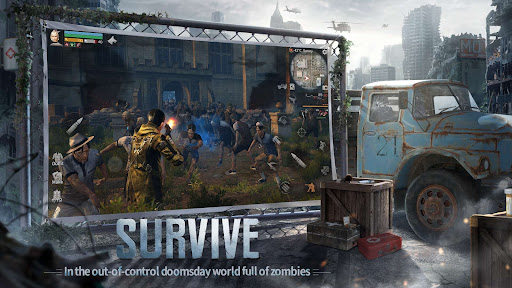
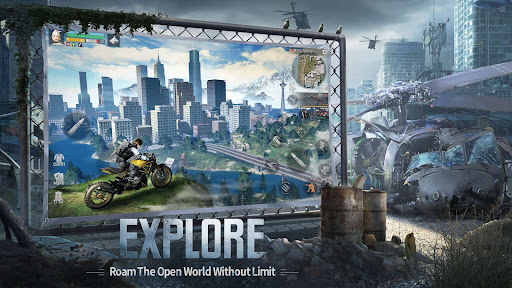
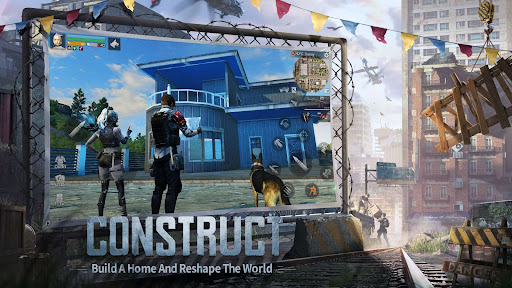
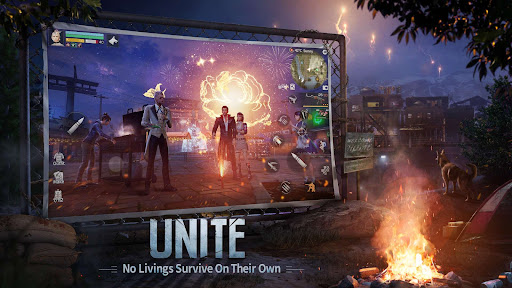
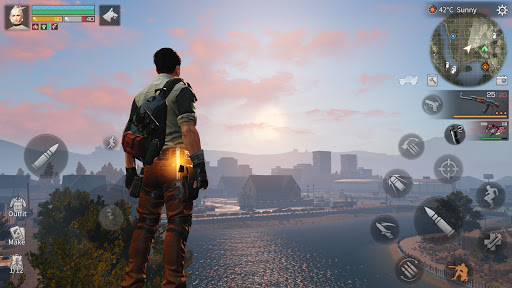
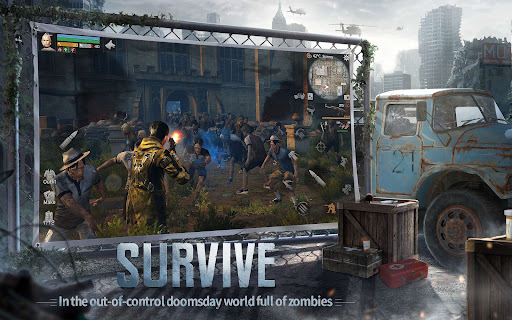
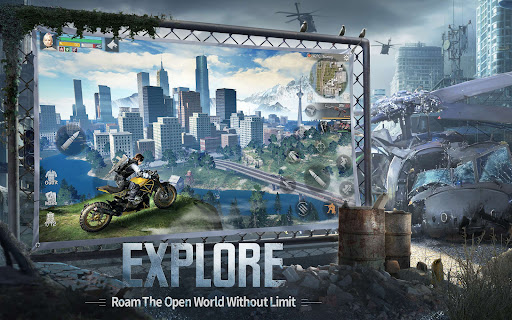
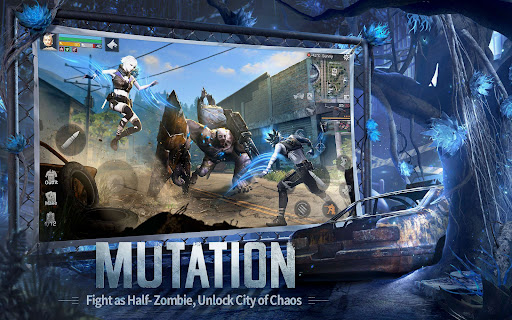
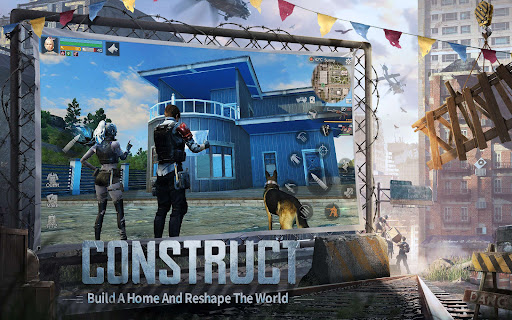
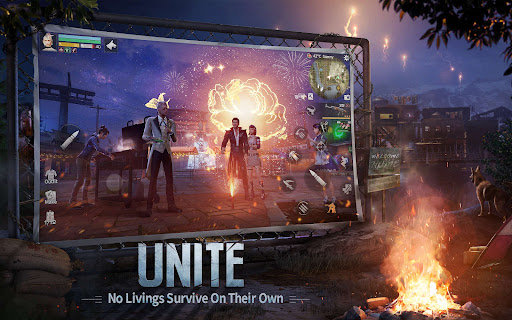
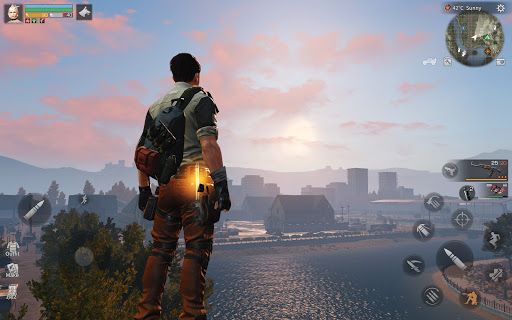
LifeAfter is the kind of mobile game that makes you do a double take the first time you step into it. On paper, it sounds familiar: zombies, crafting, scavenging, base building, multiplayer survival. In practice, it feels much bigger, denser, and more PC-like than most games in its category. After spending real time with it, what stood out most wasn’t just the undead setting, but how many different systems the game manages to juggle at once without completely falling apart. The best thing about LifeAfter is its sense of scale. This is not a narrow mission-based shooter pretending to be survival; it actually gives you room to roam, gather, build, and settle into a rhythm. Moving between environments, looting materials, upgrading your shelter, and gradually learning how the world fits together creates a satisfying loop. There’s a lot to do here, and the game does a good job of making basic survival tasks feel like progress instead of busywork. That open-world pull is real. Even after the initial story beats fade, it keeps dangling reasons to log back in: another run for resources, another house improvement, another stretch of map to poke around in. That leads to the second major strength: LifeAfter is surprisingly good at giving players ownership over their experience. The house-building side is more than a cosmetic distraction. It gives the game a personal anchor, especially in a genre that can otherwise feel like nonstop grim scavenging. Having a manor to improve makes the world feel lived in, and it helps balance the combat-heavy atmosphere with something more creative. The perspective options also help. Being able to play with different viewing styles makes a real difference in everyday play and adds flexibility depending on whether you’re exploring, fighting, or just managing your home space. The third thing LifeAfter gets right is its social layer. This is a survival game, but it rarely feels lonely unless you want it to. Team play, co-op activity, camps, and general multiplayer interaction are built into the experience in a way that feels meaningful rather than tacked on. When the game is at its best, it delivers that very specific MMO-survival buzz: preparing together, venturing into dangerous zones, comparing gear, and slowly building a shared sense of routine. If you like survival games but hate feeling isolated, this is one of LifeAfter’s biggest advantages. That said, the game absolutely asks for patience. The opening hours are not its strongest material. The tutorial and early progression can feel messy, and the interface has a habit of dumping systems on you before you’ve really internalized the basics. There’s a lot on screen, a lot of menus, and a lot of terminology to absorb. Once the game opens up, it becomes far more rewarding, but new players should expect a learning curve. This is not the kind of mobile RPG you understand in ten minutes while standing in line for coffee. Controls are another mixed bag. Moment to moment, movement and shooting work well enough, and there’s enough customization to improve the layout, which is important. But even after adjusting things, combat can still feel a little awkward in those chaotic moments when precision matters most. I had occasional instances where aiming and camera movement felt more fussy than fluid, especially when trying to quickly scan an area or react to enemies swarming in. It never made the game unplayable, but it did make me conscious that this is a very large game trying to squeeze a lot of action onto a touchscreen. The third weakness is the economy around progression and premium temptation. You can absolutely play LifeAfter for free and still have a good time; that part is true in everyday play. But it also has clear pressure points. Some progression loops are gated by daily limits or resource restrictions, and certain aspirational items or status symbols can feel like they sit on the far side of a very long grind unless you’re willing to spend. That doesn’t ruin the game, but it does create a split between players who are content to build steadily over time and players who want to stay competitive or stylish at a faster pace. Performance-wise, LifeAfter often looks impressive for a mobile game, sometimes strikingly so. Its environments, lighting, and overall visual ambition are easy to appreciate, especially if you’re on stronger hardware. The tradeoff is that it can feel demanding. Long sessions are the norm here, not quick bursts, and the game’s size and intensity are obvious. This is not a lightweight install for older devices or players who want something breezy. So who is LifeAfter for? It’s for players who want a deep survival RPG with MMO flavor, who enjoy building as much as fighting, and who don’t mind investing time to learn systems. If you like open-ended progression, co-op play, and the satisfaction of turning scraps into a functioning home base, LifeAfter has a lot to offer. It is not for players who want a clean, instantly readable interface, ultra-tight shooter controls, or a purely fair-feeling race to the top without monetization friction. In the end, LifeAfter succeeds because it feels genuinely ambitious. It doesn’t settle for being a basic zombie skin over a shallow mobile loop. It aims bigger, and most of the time, it earns that ambition. It can be overwhelming, occasionally clumsy, and sometimes a little too eager to slow your progress, but it also delivers one of the richer survival experiences available on mobile. If you can tolerate the rough edges, there’s a lot of game here.