
Apps Games Articles
Brain Out: Can you pass it?
Focus apps
Rating 4.4star icon
Editor's summary
Editor rating
star icon star icon star icon star icon empty star icon
4.2

One-line summary Brain Out is easy to recommend if you want a genuinely funny, clever puzzle game that keeps surprising you, but it is harder to recommend if constant ads and the occasional nonsense answer ruin your patience.

  • Installs

    100M+

  • Developer

    Focus apps

  • Category

    Puzzle

  • Content Rating

    Everyone 10+

  • Latest version

    2.1.21

  • Package

    com.mind.quiz.brain.out

In-depth review
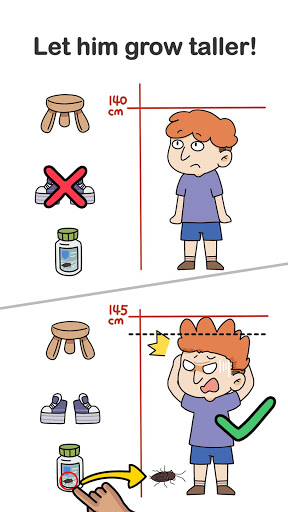
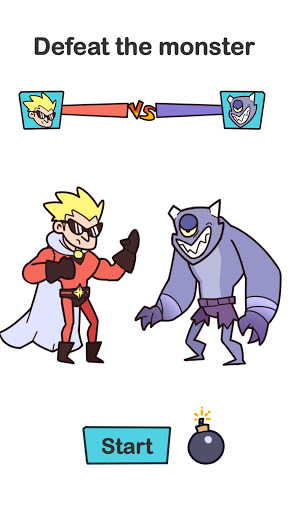
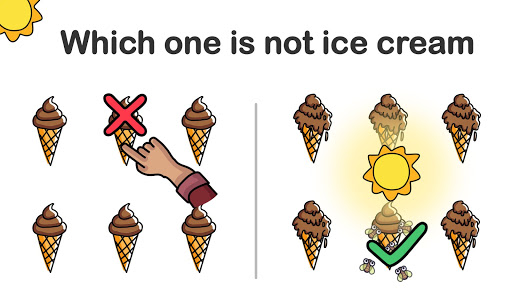
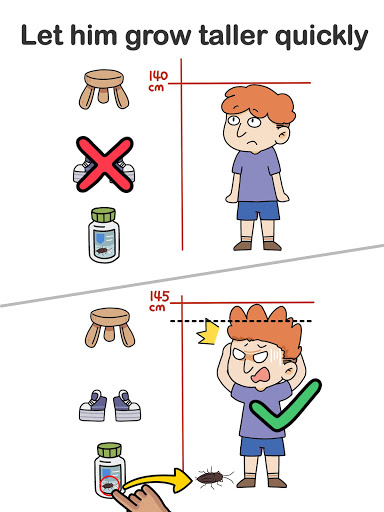
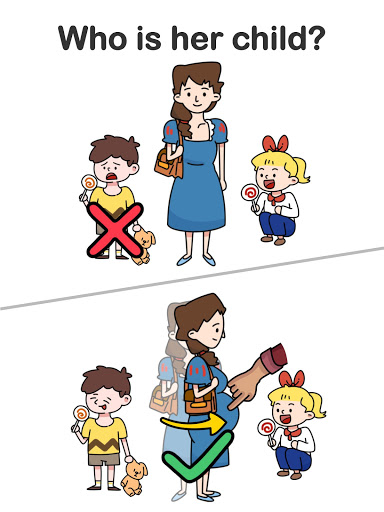
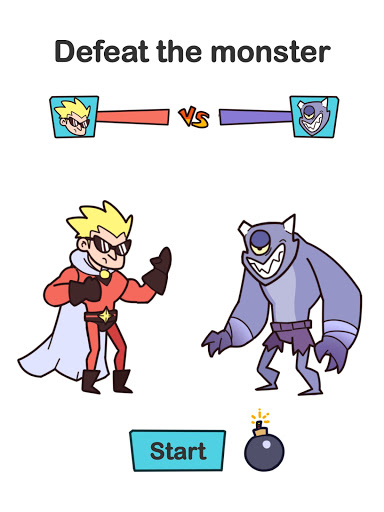
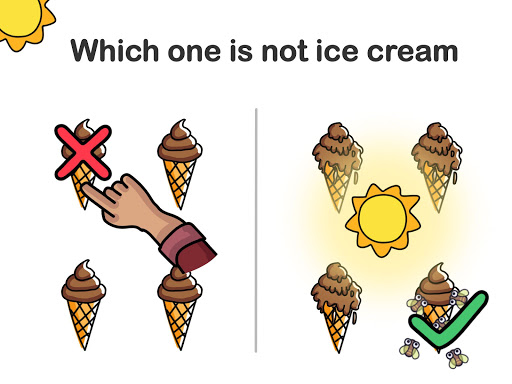
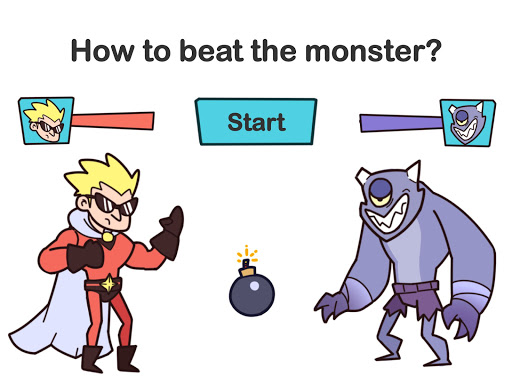
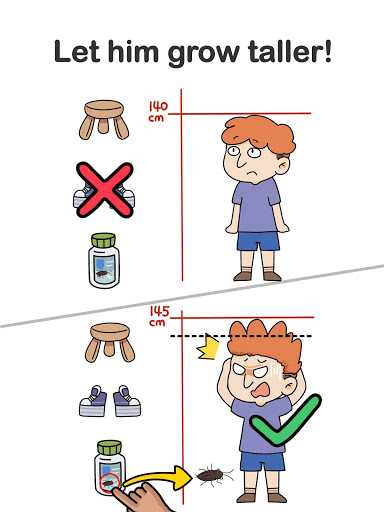
Brain Out: Can you pass it? is one of those mobile puzzle games that looks lightweight and disposable at first glance, then quietly eats far more of your time than you expected. After spending real time with it, the biggest takeaway is simple: this app understands that a brain teaser should not just test logic, it should also toy with your assumptions. When Brain Out is working at its best, it feels playful, mischievous, and surprisingly fresh for a free mobile puzzler. The core loop is straightforward. You are given a prompt, a simple visual setup, and just enough information to think you know what to do. Then the game nudges you into overthinking, underthinking, or thinking in the wrong direction entirely. Solving a level often means ignoring the obvious interpretation and interacting with the screen in a way that feels slightly absurd until it clicks. That is the magic of Brain Out. It is not really about hard trivia or formal logic. It is about lateral thinking, attention, and a willingness to stop treating the question at face value. That makes the early and middle stretch of the app especially entertaining. Levels are short, fast, and varied enough to keep the momentum going. The app rarely asks for a long commitment, which makes it excellent for quick sessions while waiting around, commuting, or just killing a few minutes. It is the kind of game you open for one puzzle and end up staying for ten. The touch interactions are generally simple, the presentation is clean enough to keep the focus on the puzzle, and the overall tone is goofy rather than academic. That matters. Brain training apps can often feel sterile; Brain Out would rather make you laugh, then make you feel silly for missing the answer. One of the app’s biggest strengths is that it does a good job of mixing difficulty. Not every level is a wall, and not every level is trivial. Some answers come instantly and make you feel clever. Others force you to pause, poke at the interface, or rethink the wording. That variety helps the game avoid the repetitive feeling that drags down many puzzle apps. Even when the art and structure stay simple, the underlying ideas are usually different enough to keep the experience lively. A second major strength is accessibility. Brain Out is easy to understand, easy to control, and easy to recommend to a broad audience. You do not need a tutorial-heavy onboarding process or puzzle-game expertise to get started. Children, teens, and adults can all get something out of it, although not always for the same reasons. Younger players may enjoy the silliness and surprise factor, while older players may appreciate the lateral thinking and short-burst challenge design. It also helps that the app works well as a casual pick-up-and-play title rather than demanding deep investment. Its third big advantage is personality. A lot of mobile puzzle games blur together, but Brain Out has a slightly chaotic sense of humor that gives it identity. It wants to trick you. It wants you to tap the wrong thing first. It wants that moment where you realize the answer was not hidden behind complexity, but behind your own assumptions. That playful hostility is part of the charm. Still, Brain Out is not consistently brilliant, and that inconsistency is where the frustrations show up. The most obvious problem is advertising. In regular play, ads appear often enough to become part of the rhythm of the app, and not in a good way. The puzzles are built for quick momentum, so frequent interruptions hit harder here than they would in a slower game. It is the classic free-to-play tension: the app is fun in short bursts, but the ad load can break the exact pacing that makes those bursts enjoyable. The second issue is that some puzzles cross the line from clever to arbitrary. There is a difference between a surprising answer and an answer that feels disconnected from the clue. Brain Out does produce those delightful “of course” moments, but every so often it also produces a solution that feels like random experimentation is more useful than reasoning. When that happens, the game stops feeling smart and starts feeling smug. A trick puzzle only works if, in hindsight, the trick feels earned. The third weakness is polish at the edges. Most of the time, the app is easy enough to navigate, but there are moments where wording, grammar, or interface clarity gets in the way of the puzzle rather than supporting it. In a game built around reading prompts carefully, unclear phrasing matters more than it would elsewhere. If the challenge comes from interpretation, then the text needs to be sharp. Occasionally, it is not. So who is this app for? It is a strong pick for players who enjoy lateral-thinking riddles, playful trick questions, and quick puzzle sessions on their phone. It is also a good fit for anyone who likes games with a light, humorous tone rather than a serious puzzle-box atmosphere. If you enjoy being fooled a little before the answer lands, Brain Out is easy to like. Who is it not for? If you hate ads, prefer rigorous logic, or get irritated when a puzzle game bends its own rules for the sake of a joke, this may wear you down quickly. Likewise, if you want carefully structured deduction rather than unpredictable prank-like challenges, Brain Out can feel messy. Overall, Brain Out succeeds because it understands the emotional hook of mobile puzzles: surprise, momentum, and the tiny burst of satisfaction that comes from seeing around a corner the game built for you. It is not elegant all the time, and it is certainly not always fair, but it is often funny, frequently inventive, and much more memorable than most free puzzle apps. If you can tolerate the ads and accept that a few levels are more chaotic than clever, there is a lot of fun here.