
Apps Games Articles
Mobile Legends: Bang Bang
Moonton
Rating 4.1star icon
Editor's summary
Editor rating
star icon star icon star icon star icon empty star icon
4.3

One-line summary Mobile Legends: Bang Bang is one of the easiest MOBAs to jump into and enjoy in short bursts, but uneven matchmaking, occasional lag, and the usual team-game toxicity keep it just shy of an easy universal recommendation.

  • Installs

    500M+

  • Developer

    Moonton

  • Category

    Action

  • Content Rating

    Teen

  • Latest version

    VARY

  • Package

    com.mobile.legends

In-depth review
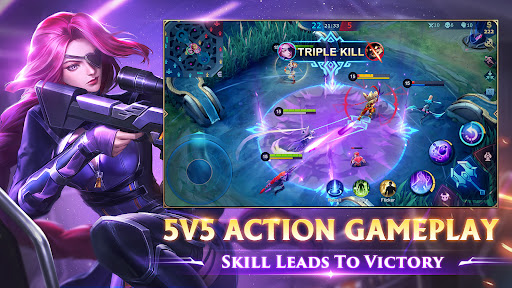
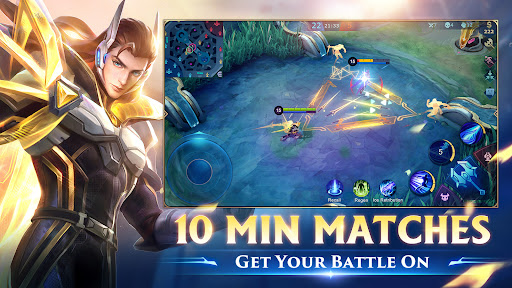
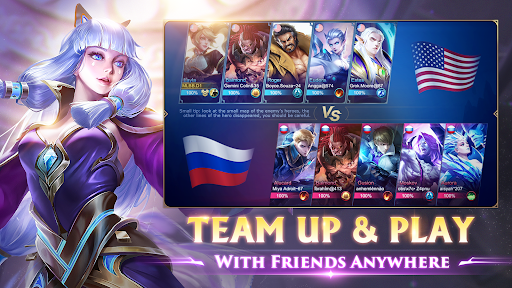
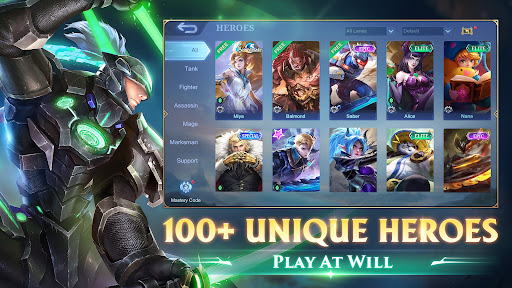
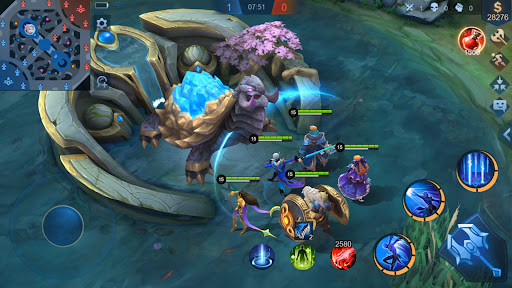
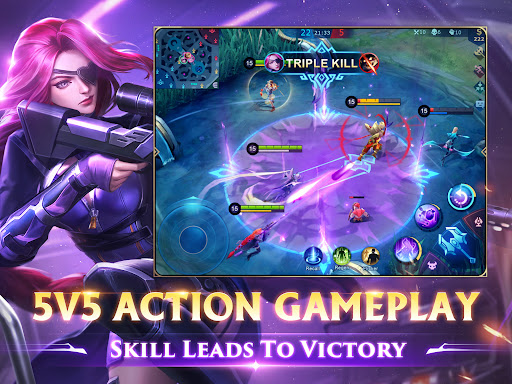
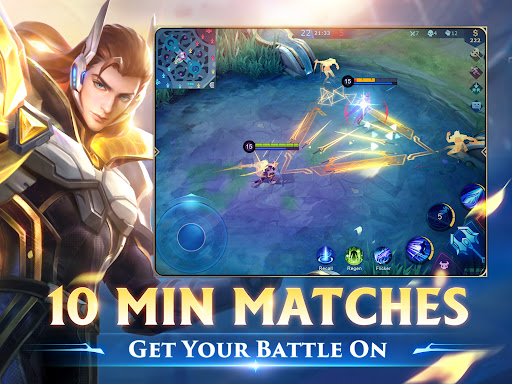
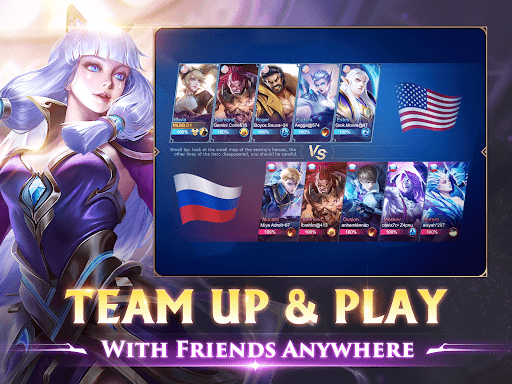
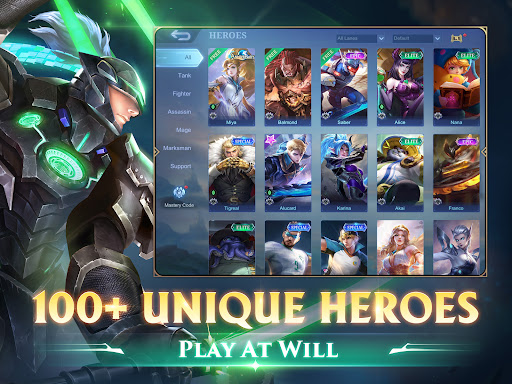
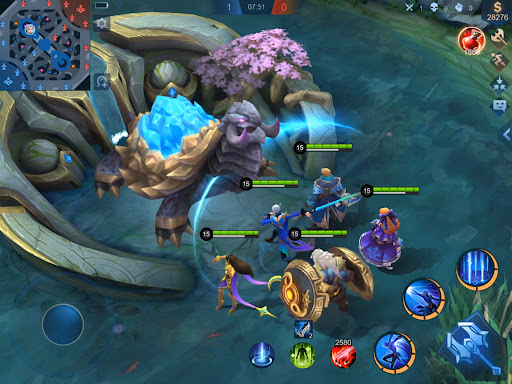
Mobile Legends: Bang Bang understands something many mobile games still get wrong: if you are going to bring a competitive team game to a phone, it has to respect the player’s time. After spending real time with it, that is the quality that stands out most. Matches are quick, the controls are readable almost immediately, and the game gets to the action fast. You do not need to carve out an entire evening to feel like you had a proper session. You can jump in, play a match in around 10 to 15 minutes, and come away either energized by a comeback win or annoyed by a collapse that was over quickly enough that it did not ruin your day. That pace is a huge part of the appeal. Mobile Legends feels built for the phone first, not like a stripped-down PC game awkwardly squeezed onto a touchscreen. Movement with the virtual stick is responsive, abilities are easy to activate, and even in chaotic team fights the interface generally stays understandable. There is enough automation and targeting assistance to keep the experience comfortable on a small screen, but not so much that you feel disconnected from what your hero is doing. For newcomers, that makes the learning curve much less punishing than the genre’s reputation might suggest. For experienced players, it still leaves room for mechanical sharpness and smart positioning. The other reason the game works so well is hero variety. Every role brings a noticeably different rhythm to the match. Tanks feel purposeful, damage dealers can swing fights quickly, and support-oriented play is meaningful when the team actually works together. Even after multiple sessions, the roster helps keep matches from blending together. Switching heroes changes not just your abilities, but your responsibilities and mindset. That gives Mobile Legends a replay value that goes beyond simple progression grinding. It is satisfying to spend a few games learning one character, then pivot to another role entirely and experience the same map from a different angle. Just as important, the game runs well where it matters. On a typical Android phone, performance is generally smooth enough to keep matches playable and enjoyable. That accessibility is one of the app’s strongest traits. You do not get the sense that it demands flagship hardware to be fun. If your device is reasonably modern, the game is easy to pick up and hard to put down. Still, the polish has clear limits. Matchmaking is the issue that most often drags the experience down in practice. In good matches, Mobile Legends is excellent: tense, tactical, and genuinely exciting. In bad matches, it can feel like one side was assembled from coordinated veterans while the other was held together by hope. Some games are decided less by your own decisions than by whether your teammates understand lane roles, objectives, or basic map awareness. That is a familiar problem in team-based competitive games, but Mobile Legends does not escape it. The lane selection tools help, and team composition is more organized than it could be, but the quality of teammates still swings wildly enough to create frustrating streaks. Network stability is another weak spot. During testing, most matches were fine, but when the connection stuttered, it was immediately damaging because this is the kind of game where one delayed movement can mean a lost fight, a lost objective, or a snowballing defeat. The reconnection and AI takeover concepts are useful in theory, but they do not erase the frustration of getting interrupted in a ranked setting. A mobile MOBA lives or dies on consistency, and Mobile Legends is very good when stable, but noticeably aggravating when it is not. Then there is the social side of the game, which can be both its biggest draw and its most exhausting flaw. Playing with friends is easily the best version of Mobile Legends. Coordination makes the strategy click, losses feel less random, and wins feel earned. Solo queue, by contrast, is a gamble. When teammates cooperate, it is great. When they do not, the experience can quickly become noisy, blame-heavy, and mentally draining. If you already know you dislike competitive team environments, this game will not convert you. It is still a MOBA, and MOBAs still come with emotional turbulence. On monetization, the game does a reasonable job of remaining enjoyable without making every session feel like a cash prompt, though cosmetic desire is clearly part of the ecosystem. If you are the kind of player who wants every premium-looking extra, you may find prices harder to justify than the core game itself. The important thing is that the central loop remains fun even if you are just there to play. Who is this for? It is for players who want a fast, accessible competitive game that works in short sessions and rewards learning roles, timing, and teamwork. It is especially good for people who like squad play on mobile, or who want a less intimidating entry point into the MOBA formula. It is not for players who hate relying on strangers, have little patience for matchmaking variance, or want a completely stress-free experience. Overall, Mobile Legends: Bang Bang succeeds because it feels immediate. It is easy to install, easy to understand, and easy to fit into daily life. At its best, it delivers sharp, satisfying multiplayer action without demanding too much time or hardware. At its worst, it reminds you why team-based competitive games can be infuriating. Even so, the core is strong enough that it keeps pulling you back for one more match, and on mobile, that is often the clearest sign that a game is doing something right.