
Apps Games Articles
OpenTable
OpenTable
Rating 4.6star icon
Editor's summary
Editor rating
star icon star icon star icon star icon
half star icon
4.5

One-line summary OpenTable is still the easiest way to discover and book a solid restaurant in minutes, though the experience can get a little less intuitive when you’re searching in unfamiliar cities.

  • Installs

    10M+

  • Developer

    OpenTable

  • Category

    Food

  • Content Rating

    Everyone

  • Latest version

    26.8.0

  • Package

    com.opentable

In-depth review
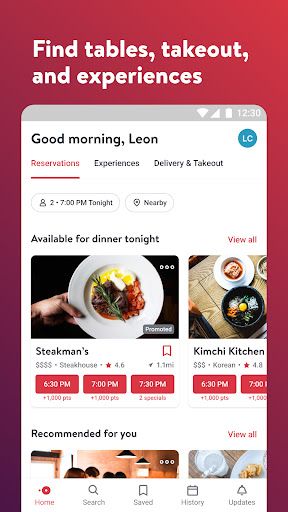
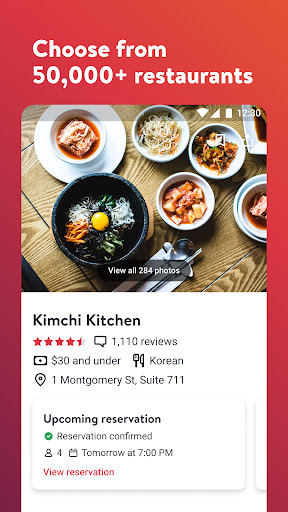
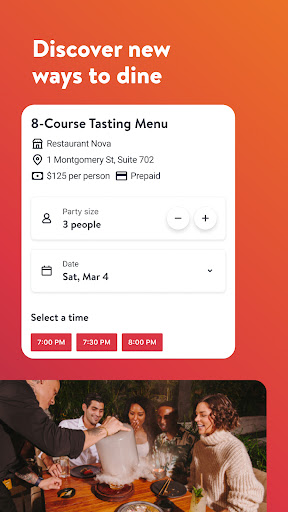
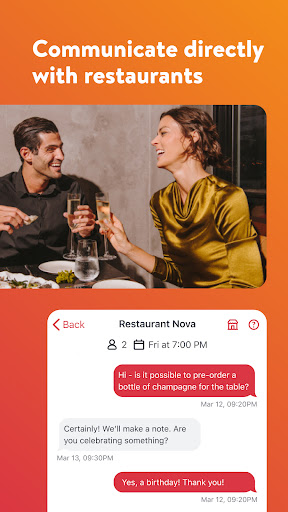
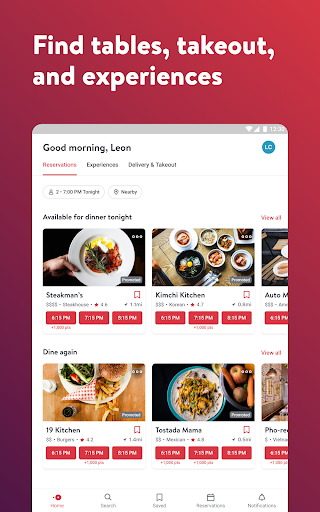
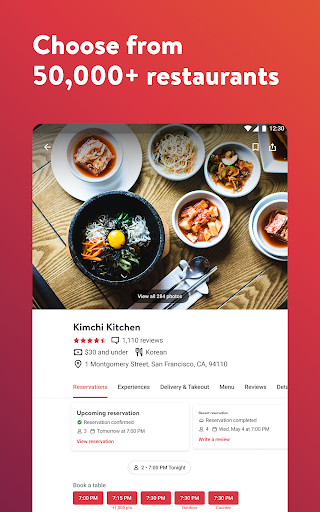
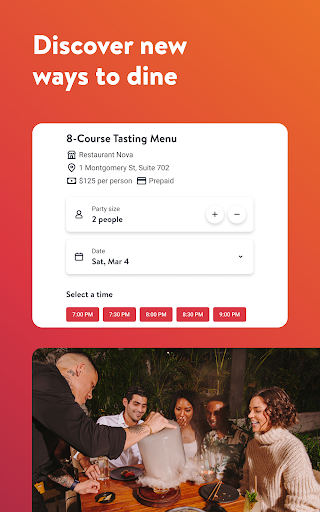
OpenTable is one of those apps that succeeds by removing friction from a very common task: deciding where to eat and actually locking in a table before someone else grabs it. After spending time using it the way most people really use restaurant apps—last-minute dinner plans, date-night browsing, searching in a different city, and tweaking reservations on the fly—the biggest takeaway is simple: this app is polished where it matters most. It gets you from “Where should we go?” to “Your table is confirmed” with very little drama. The first thing that stands out is how approachable the core experience feels. OpenTable does not bury the main action under gimmicks or clutter. You open it, start looking for a restaurant, filter by what matters, and move toward a reservation. That may sound basic, but in practice it is the difference between an app that helps and one that becomes part of the problem. Here, searching by location and using the “near me” style discovery works well for quick decisions, especially when you are already out and want to find something nearby without opening a map, three review apps, and a browser tab. Where OpenTable shines most is in the middle of the process: discovery. Browsing restaurants feels editorial without becoming precious. You can move between local favorites, new openings, and more occasion-driven picks in a way that feels useful rather than overwhelming. Verified diner reviews add a layer of confidence, especially when you are trying to judge whether a place is truly dependable for a birthday dinner, business meal, or casual night out. We found ourselves spending less time second-guessing choices than we usually do with restaurant search tools, and that is a meaningful win. The reservation flow itself is excellent. Availability is presented clearly, selecting a time is fast, and confirmation feels immediate and reassuring. Just as important, managing a reservation after booking is refreshingly painless. Changing a time, adjusting party size, or canceling does not feel hidden behind menus or punishing design. In real life, plans change constantly, and OpenTable understands that better than many service apps do. That flexibility is one of its best features, because a reservation app that only works well when your plan is perfect is not really solving the right problem. Another pleasant part of using OpenTable is that it feels rewarding without being pushy. The loyalty points system adds a bit of practical value to repeat use, but it does not dominate the interface or constantly nag you. Since the app is free and does not lean on ads or in-app purchases, the overall experience feels cleaner than many consumer apps in the same broad category. There is a nice sense that the app is trying to complete your task rather than monetize every second of your attention. That said, OpenTable is not flawless, and its shortcomings tend to appear in more complex or less familiar scenarios. The biggest weakness we ran into was navigation when searching outside your usual area. If you know exactly what you want, it is fine. But when planning in another city or trying to browse loosely for an upcoming trip, the app can feel a bit less intuitive than it does for local, immediate use. The right options are usually there, but sometimes they are not surfaced as elegantly as they could be. It is not confusing enough to be a deal-breaker, but it is noticeable. A second frustration is that the app experience can only be as smooth as the participating restaurant’s side of the reservation process. OpenTable itself is good at presenting reservation options and handling edits, but dining out is still a real-world transaction involving real restaurants with varying levels of operational discipline. If a restaurant’s setup is sloppy, the app cannot fully shield you from that. In practice, OpenTable feels reliable, but it is not magic; there is still a handoff to the venue, and that can introduce occasional uncertainty. The third weak point is that some of the richer features feel slightly underused unless you are already a regular diner who knows how to take advantage of them. Notes and customization options can be genuinely useful, especially for special occasions, but they are easy to overlook if you are rushing. The app does not always do the best job of teaching new users how to get the most out of those details. Once you notice them, they add value. Before that, they can remain hidden power-user features. In day-to-day use, though, OpenTable gets more right than wrong. It is fast, dependable, and generally pleasant to use. It reduces the social friction of calling restaurants, waiting on hold, or dealing with vague reservation systems. It is especially good for people who eat out regularly, plan dates, organize small group dinners, or want one place to manage reservations and keep track of dining perks. It is also ideal for anyone who values confidence before heading out: verified reviews, visible availability, and easy reservation management all make the process feel less like a gamble. Who is it not for? If you rarely make reservations, prefer walk-in spontaneity, or expect every restaurant in every location to be equally represented, OpenTable will feel less essential. It is also not the best fit for users who want a purely exploratory travel-style food app first and a booking tool second. OpenTable is at its best when the goal is clear: find a good restaurant and reserve a table efficiently. Overall, OpenTable remains one of the most useful dining apps you can keep on your phone. It does not reinvent going out to eat; it simply makes the process smoother, smarter, and less annoying. And in a category where convenience is the whole point, that matters a lot.
Alternative apps