
Apps Games Articles
Granny
DVloper
Rating 4.3star icon
Editor's summary
Editor rating
star icon star icon star icon star icon
half star icon
4.5

One-line summary Granny is one of mobile horror’s easiest recommendations because it delivers real tension and clever escape-room gameplay for free, but its rough edges—especially occasional bugs, repetition, and touch-control friction—keep it from being an all-time no-notes classic.

  • Installs

    100M+

  • Developer

    DVloper

  • Category

    Arcade

  • Content Rating

    Mature 17+

  • Latest version

    1.8.1

  • Package

    com.dvloper.granny

In-depth review
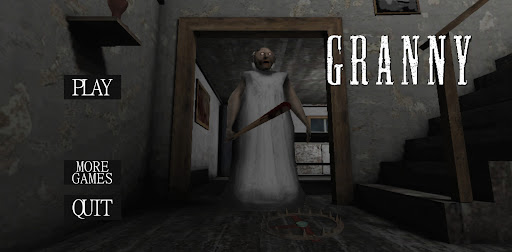
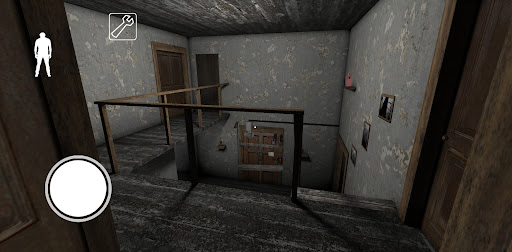
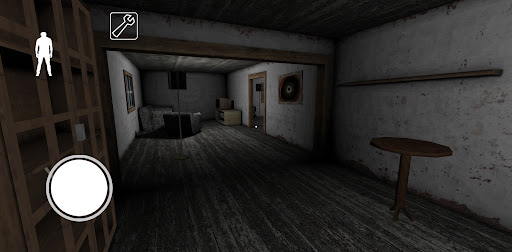
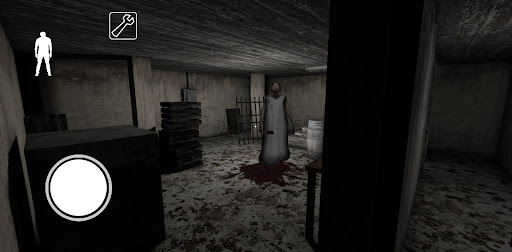
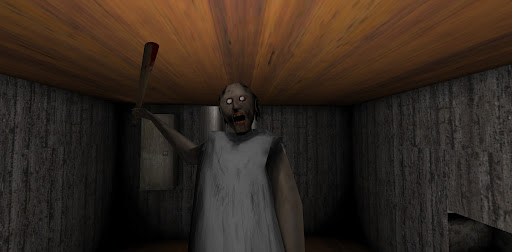
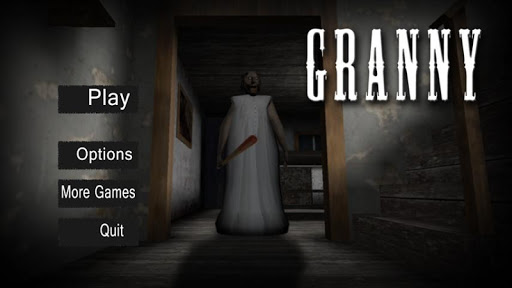
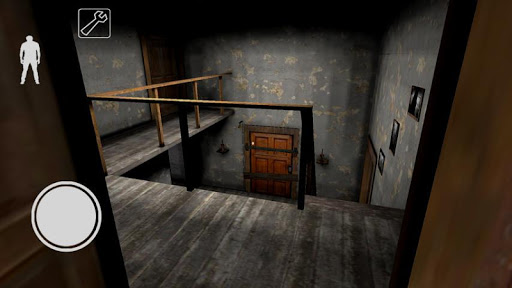
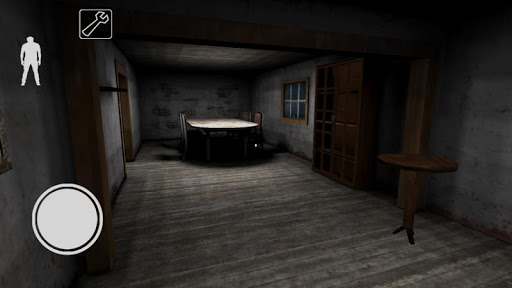
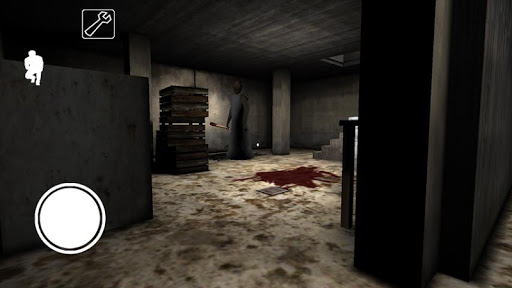
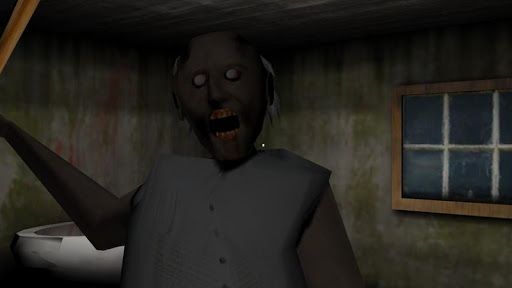
Granny has been around long enough that it would be easy to dismiss it as one more aging viral horror game, but after spending real time with it on mobile, the surprise is how well it still works. The core setup is simple: you are trapped in a house, the house is full of locks, tools, hiding spots, and escape routes, and Granny is always one mistake away from turning a quiet plan into a full panic sprint. That premise sounds thin on paper, yet in practice it creates a tight, memorable loop that is far more puzzle-driven than the app’s reputation might suggest. What immediately stands out is the game’s sense of tension. Granny does not rely on expensive visuals or elaborate storytelling to scare you. Instead, it uses silence, uncertainty, and the constant threat of your own clumsiness. Open the wrong door too fast, drop an item, or misjudge a route through the house, and suddenly the whole pace changes. The best moments are not the jump scares themselves, but the few seconds before them: crouched under a bed, listening for footsteps, waiting to see whether the danger passes or whether you have just ruined the run. That low-budget but high-pressure atmosphere is the game’s biggest strength, and it still feels effective. The second major strength is the structure of the escape itself. Granny works because it is not just about surviving; it is about learning. The house is essentially a hostile puzzle box. You are always trying to connect objects, routes, and risks: what to carry first, which lock matters most, whether it is worth crossing a noisy area now or later, and when to trade stealth for speed. It creates the kind of trial-and-error progression that keeps runs engaging even after failure. Dying rarely feels like the end of a session; it feels like a note taken for the next attempt. There is a satisfying rhythm to slowly mastering the house, and the game is at its best when you start making smart decisions from memory while still adapting on the fly. The third strength is how approachable the whole thing is. For a horror game, Granny is remarkably easy to understand. The controls and goals are straightforward enough that you can start playing immediately, and the difficulty options help shape the experience. Practice-style play lowers the pressure, while harder settings create a much more nerve-racking version of the same house. That range matters because not everyone wants pure punishment from a mobile horror game. Granny can be a spooky puzzle game for cautious players or a much more intense challenge for those chasing efficient escapes and tougher endings. That said, the game absolutely shows its age in places. The first weakness is technical roughness. In our time with it, Granny mostly ran smoothly, but it still has the kind of occasional instability that feels much harsher here than it would in a casual arcade game. A freeze, crash, or item glitch is especially frustrating because a successful run depends on sustained concentration and because the game’s structure makes every mistake costly. Losing progress in a tense run does more than annoy; it breaks the entire mood. The second weakness is control friction. The touch interface is functional, but not always graceful. Precision matters in Granny, whether you are trying to move quickly, angle yourself into a hiding place, interact with objects under pressure, or avoid making unnecessary noise. On a phone screen, those actions can occasionally feel a little more fiddly than they should. The game is still very playable on mobile, but there are moments when the fear comes from the situation and moments when it comes from wrestling the controls, and those are not the same thing. The third weakness is variety. Granny is excellent at stretching one map and one concept, but it is still fundamentally one house, one villain, and one core gameplay loop. The randomization of item placement helps, and multiple ways to escape do make repeat runs more interesting, but there is a ceiling to how fresh it can feel if you play heavily. Once the layout and systems become familiar, some of the mystery fades and the game starts leaning more on challenge than discovery. For players who want constant new environments, a bigger cast, or frequent major additions, this can eventually feel limited. Ads are present, but in our experience they are not the kind of nonstop interruption that ruins a horror game’s pacing. That matters more than it might in another genre. A game like this lives or dies on immersion, and Granny generally does a decent job of letting you stay in the mood instead of breaking every tense moment with aggressive monetization. Who is this for? It is for players who enjoy stealth, trial-and-error puzzle solving, horror built on tension rather than gore, and the satisfaction of gradually mastering a hostile space. It is especially good for anyone who wants a horror game that feels immediately readable but still has enough depth to support repeated attempts. It is not for players who hate repetition, demand polished console-level controls, or get annoyed by the idea of replaying from failure while learning a map. The impressive thing about Granny is that it understands exactly what kind of game it is. It does not try to be cinematic, expansive, or overexplained. It traps you, scares you, confuses you, and then dares you to become smarter than the house. Even with some technical blemishes and a limited long-term scope, it remains one of the strongest pure horror experiences on mobile because the basics are so solid. When a game can make you hesitate before dropping a single object on the floor, it is doing something right.