
Apps Games Articles
imo-International Calls & Chat
imo.im
Rating 4.1star icon
Editor's summary
Editor rating
star icon star icon star icon
half star icon
empty star icon
3.7

One-line summary imo is easy to recommend if you need dependable international calling on weak connections, but its ad-heavy, increasingly cluttered experience makes it harder to love than it should be.

  • Installs

    1B+

  • Developer

    imo.im

  • Category

    Communication

  • Content Rating

    Everyone

  • Latest version

    VARY

  • Package

    com.imo.android.imoim

In-depth review
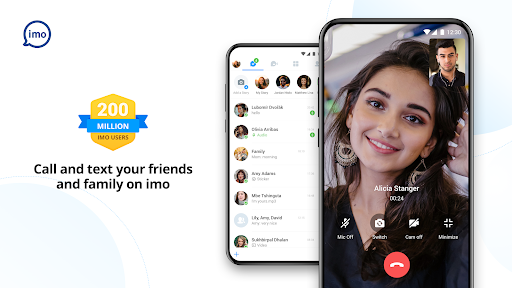
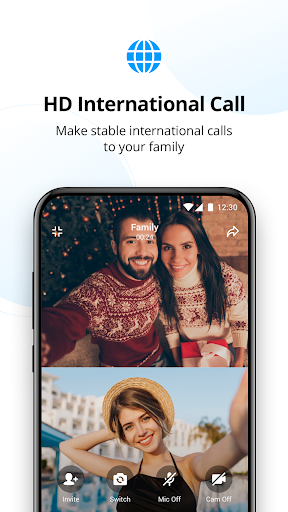
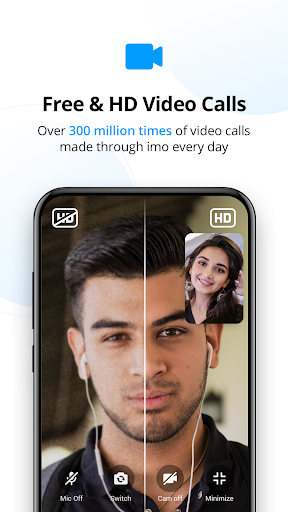
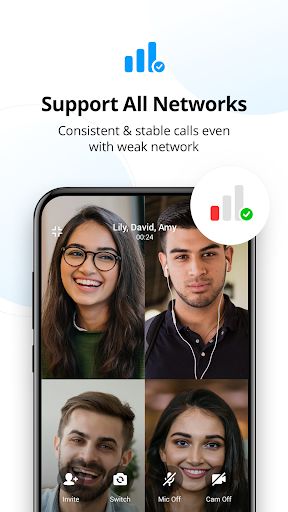
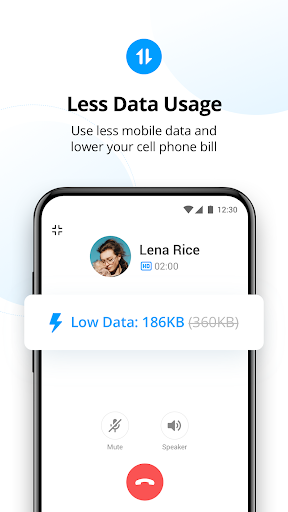
imo-International Calls & Chat is one of those communication apps that makes the most sense when you stop thinking about features on a marketing page and simply start using it to stay in touch with people who live far away. In day-to-day testing, that practical side is where imo still earns its place. Getting into a chat is quick, starting an audio or video call is straightforward, and the overall setup is familiar enough that even less tech-savvy family members can figure it out without much coaching. For an app built around international communication, that simplicity matters more than flashy extras. What stood out most in my time with imo was how usable it remains when conditions are less than ideal. On weak or unstable connections, it often feels more forgiving than many apps that look more polished at first glance. Messages usually go through without much fuss, audio calls are easy to initiate, and the app’s basic communication tools are always close at hand. If your main goal is to keep in touch with relatives abroad, send the occasional photo or document, and jump into a call without paying traditional call charges, imo gets the core job done. That is the app’s biggest strength: it feels built for real-world communication, not just perfect Wi‑Fi demos. The second thing imo does well is convenience. Text chat, voice calls, video calls, voice messages, and file sharing all live in one place, and the app doesn’t make these actions feel buried or overcomplicated. It is easy to send photos, share documents, and move between chat and calling. There is also a clear emphasis on privacy-oriented tools, with disappearing messages and more protected chat options giving the app a slightly more serious feel than a bare-bones calling tool. I would not call the experience elegant, but it is functional in a way that many people will appreciate. A third strength is accessibility. imo supports many languages, and the app feels designed for people using a wide range of devices and network conditions. That broad usability comes through in everyday use. It does not demand a powerful phone just to open a conversation, and that matters in households where not everyone is on a flagship device. If your priority is simply, “Can I call my family overseas tonight without a fight?” imo often answers yes. That said, the app also shows its rough edges very quickly, and they are not minor. The biggest problem in my experience is advertising and general clutter. imo increasingly feels like an app torn between being a communication tool and being a platform for pushing extra content. Ads can appear at exactly the wrong moments, especially around calls, and they chip away at the sense of immediacy that a calling app should provide. Communication apps are supposed to reduce friction; imo sometimes adds it. The app also throws a lot of notifications and promotional nudges your way, and not all of them feel relevant. Over time, that creates fatigue. The second weakness is inconsistency. In testing, there were moments when core features felt stable, and then suddenly parts of the app seemed less reliable than they should be. Calling behavior can feel unpredictable after updates, especially when multitasking. On a modern messaging app, you expect to switch apps, lock your screen briefly, or manage something else on your phone without the call experience falling apart. imo does not always inspire confidence there. Even when it works, it can feel like you are one update away from a new inconvenience. That kind of instability matters more in a calling app than in almost any other category. The third weakness is that imo no longer feels especially focused. There are enough extra social and entertainment elements floating around the interface that the app sometimes loses the clean sense of purpose it once had. Voice rooms, clubs, stories, and other side features may appeal to some users, but for anyone who just wants messaging and calls, they can feel like noise. I found myself wishing for a more disciplined version of imo: one that stayed centered on conversations instead of trying to fill every corner with something else. In practical terms, imo is best for people who need a familiar, low-friction way to message and call friends or family across borders, especially where networks are weak and simplicity matters more than design polish. It is also a good fit for users who want one app that covers chat, voice, video, and basic file sharing without much setup. If that sounds like your use case, imo remains genuinely useful. It is less ideal for people who are highly sensitive to ads, want a very clean interface, or expect premium-level stability and multitasking polish from every update. If you rely on uninterrupted calls while bouncing between apps, or if you dislike social clutter in a communication tool, imo can become frustrating. Overall, imo remains easy to understand and often effective where it counts most: helping people stay connected across distance without much technical drama. But it is also an app that too often interrupts its own strengths with distractions, ads, and occasional reliability hiccups. I came away seeing why so many people still keep it installed, while also understanding why it no longer feels as effortlessly recommendable as it once might have. It is good at the essentials, just not disciplined enough about protecting them.
Alternative apps