
Apps Games Articles
Klarna: Smarter everyday money
Klarna Bank AB (publ)
Rating 4.8star icon
Editor's summary
Editor rating
star icon star icon star icon star icon
half star icon
4.5

One-line summary Klarna is one of the slickest pay-later apps you can actually live with day to day, but it becomes a much less attractive idea if you need absolute predictability around approvals, due dates, or occasional app stability.

  • Installs

    50M+

  • Developer

    Klarna Bank AB (publ)

  • Category

    Finance

  • Content Rating

    Everyone

  • Latest version

    26.10.252

  • Package

    com.myklarnamobile

In-depth review
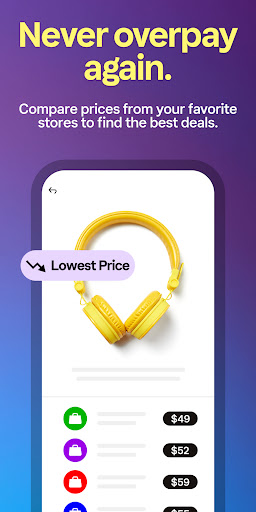
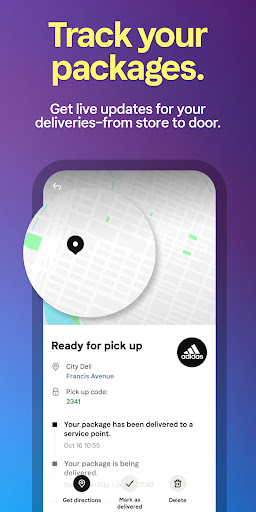
After spending real time with Klarna as an everyday shopping and payment tool, my main takeaway is simple: this app is at its best when you treat it as a convenience layer for short-term budgeting, not as a magical fix for spending problems. Used that way, it is genuinely good. The app makes the process of splitting purchases into manageable chunks feel almost frictionless, and that ease is exactly why Klarna has become such a staple for online shopping. The first thing that stood out in daily use was how approachable the app feels. Klarna does not bury the core experience under financial jargon. If you want to shop, check an order, see upcoming payments, or pay something off early, the app generally gets you there without much hunting. The layout is consumer-friendly in the best and worst sense of the phrase: it is polished, attractive, and designed to keep the experience feeling light even though you are making financing decisions. For many people, that will feel convenient. For some, it may feel a little too easy. As a shopping companion, Klarna is stronger than a lot of finance apps because it does more than just show a balance and a due date. Order tracking is one of the more useful parts of the experience. Having purchase details, delivery progress, and payment information in one place gives the app a sense of usefulness beyond the pay-later hook. If you shop across multiple stores, this centralization is genuinely handy. Returns are also handled in a way that reduces stress. Being able to report a return and have payments paused removes one of the classic anxieties of buy-now-pay-later services, where you worry about paying for something that is already on its way back. The best feature, of course, is still the core payment flexibility. For smaller purchases, splitting the cost into four payments can be very practical. In testing, that model felt most natural for essentials, household buys, clothing, or one-off purchases you need before payday. The appeal is not just that it spreads out the cost, but that the app keeps the repayment schedule visible and easy to follow. Auto-pay, reminders, and the ability to clear a balance early all contribute to a sense that Klarna wants to make repayment manageable rather than obscure. Another strength is breadth. Klarna feels less like a niche checkout add-on and more like a shopping utility you can keep returning to. The app supports a wide range of stores, and features like price comparison and cashback add some extra value when you are already browsing inside the app. I would not say these extras are the reason to install Klarna, but they do help it feel more complete. The app is trying to be where you discover, buy, track, and repay, and in practice it gets closer to that goal than most finance-adjacent apps do. That said, Klarna is not flawless, and its rough edges matter because they affect exactly the moments when people are most sensitive: checkout, identity verification, and repayment planning. The biggest irritation is that payment timing can feel less predictable than it should. In use, Klarna is clear about upcoming installments, but there can still be moments where the exact date structure is not as intuitive as expected, particularly when an order processes later than the day you placed it. If you are someone who plans your cash flow tightly around payday, even small shifts can be annoying. Klarna is still easier to manage than many traditional credit products, but it is not always as rigidly predictable as some users would like. The second weakness is app stability. Most of the time, the app runs smoothly, and the overall interface is better than many financial apps. But there are still moments where it feels less polished than its design suggests. Slowdowns, occasional glitches, and verification hiccups can interrupt an otherwise clean experience. These issues are especially frustrating because Klarna often comes into play when you are trying to complete a purchase quickly. If the app stumbles during that moment, the convenience advantage disappears fast. The third complaint is more conceptual than technical: Klarna makes spending feel easy, sometimes too easy. That is not a bug in the software, but it is absolutely part of the user experience. The app is so smooth that it can encourage casual use for purchases you might otherwise delay. If you are disciplined, this is fine. If you are already stretched thin, Klarna can create the illusion that everything is affordable simply because the first payment is smaller. The app works best for planned purchases and short-term cash-flow smoothing, not for habitual overextension. So who is Klarna for? It is for organized shoppers who want flexibility without jumping straight to a revolving credit card balance. It is especially good for people who buy online regularly, like keeping payments visible in one place, and appreciate tools like reminders, returns handling, and order tracking. It is also useful for anyone who occasionally needs to spread out the cost of practical purchases without dealing with a more cumbersome financing process. Who is it not for? If you want a totally bare-bones finance app, Klarna may feel too retail-oriented. If you dislike the psychology of installment spending, this app will not change your mind. And if your budget leaves no room for even minor date changes or surprise approval limits, Klarna may feel more stressful than helpful. Overall, Klarna is one of the better-executed consumer finance apps on Android because it succeeds at something many apps in this category do not: it feels useful even after checkout. The combination of payment flexibility, strong order management, and an interface that is mostly easy to navigate makes it easy to recommend. I would just recommend it with one important condition: use Klarna as a tool for control, not as an excuse to spend more than you should.