
Apps Games Articles
Spotify: Music and Podcasts
Spotify AB
Rating 4.3star icon
Editor's summary
Editor rating
star icon star icon star icon star icon empty star icon
4.4

One-line summary Spotify is easy to recommend for its polished, all-in-one listening experience, but it becomes harder to love if you’re sensitive to ads, interruptions, or the feeling that the free version keeps nudging you to pay.

  • Installs

    1B+

  • Developer

    Spotify AB

  • Category

    Audio

  • Content Rating

    Teen

  • Latest version

    9.1.28.2252

  • Package

    com.spotify.music

In-depth review
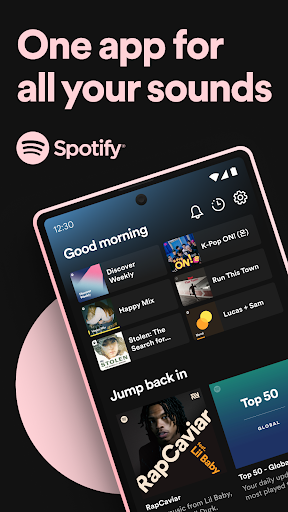
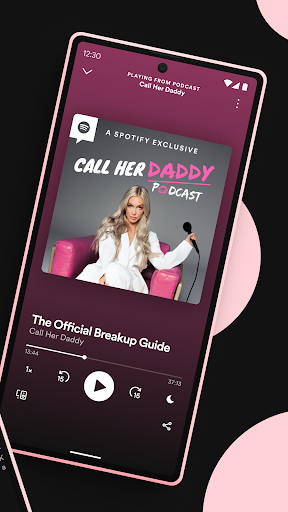
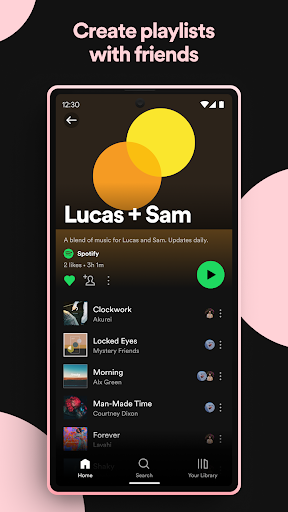
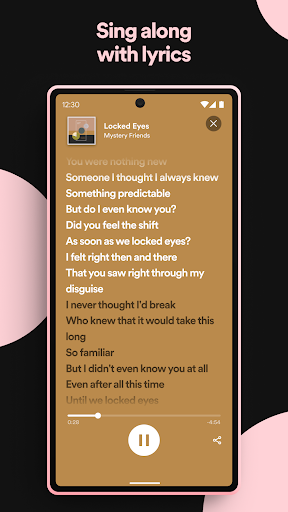
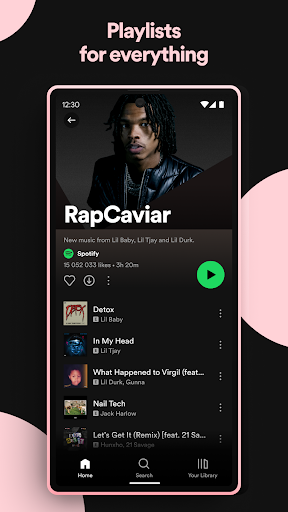
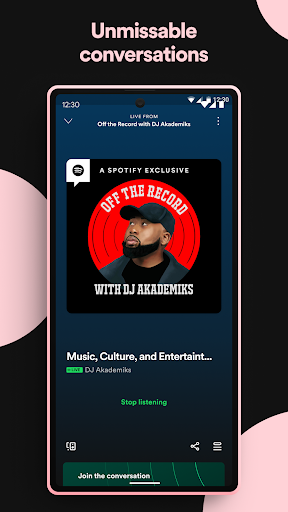
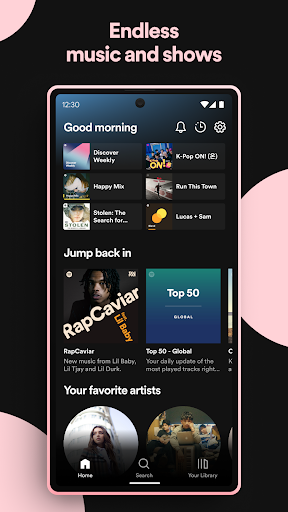
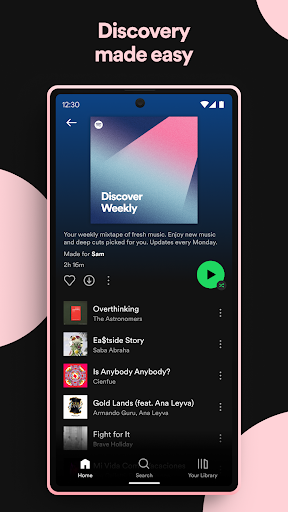
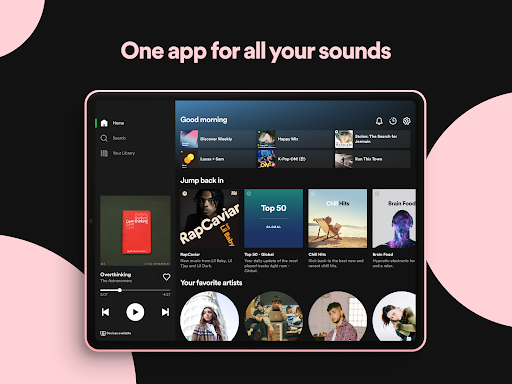
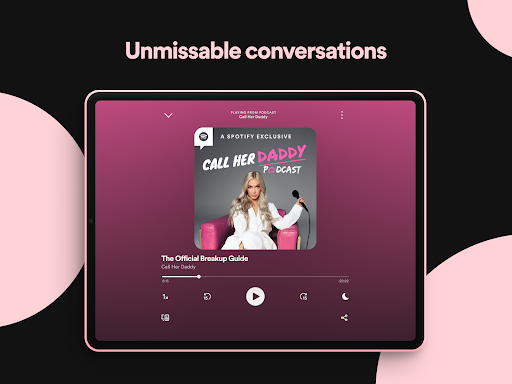
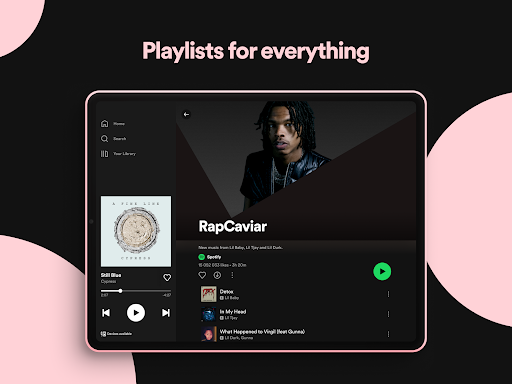
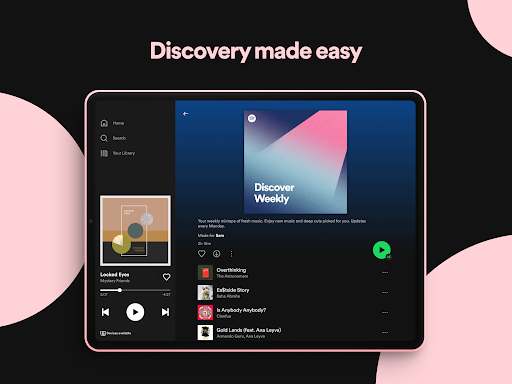
Spotify: Music and Podcasts is one of those apps that feels familiar within minutes, and that familiarity is a big part of why it works so well. After spending time with it as an everyday listening app, what stood out most was not a single flashy feature, but the overall smoothness of the experience. Open it up, search for something specific, jump into a playlist, move over to a podcast, then return to music later—the app generally makes that whole flow feel effortless. For a service that tries to cover both music and spoken-word content in one place, that convenience matters more than it sounds. The first thing Spotify gets right is usability. The app is organized in a way that rarely feels intimidating, even though there is a lot going on under the hood. Search is fast, browsing feels natural, and the app does a good job of keeping listening front and center rather than burying it under settings or clutter. In daily use, that translates to less time hunting and more time actually pressing play. Whether we were looking for a familiar artist, dipping into a themed playlist, or switching over to a podcast episode during a commute, the app kept friction low. That ease of use is paired with another major strength: variety. Spotify is not just a music app and not just a podcast app; it is a general audio hub. That makes it especially appealing for people who don’t want their listening split across multiple services. During testing, that blend was one of the app’s most practical advantages. It felt convenient to move between songs and podcasts without changing apps, and that kind of consolidation becomes surprisingly valuable over time. If your daily listening habits are mixed, Spotify feels built for you. The third strength is polish. The app feels mature. Transitions are smooth, playback controls are easy to understand, and the overall design gives the impression of a product that has been refined through a lot of real-world use. It is not perfect, but it usually feels reliable in the small ways that matter: resuming content, navigating back to something you were listening to, and keeping the interface visually clean enough that the experience stays enjoyable during long sessions. That said, Spotify is also an app that can test your patience, especially if you are using it for free. The biggest drawback is the constant sense of restriction around the free experience. The app is technically free to download and use, but in practice it can feel like a heavily gated version of the full product. Ads and interruptions break the listening flow, and that matters because Spotify works best when it fades into the background. When those interruptions become too frequent, the app stops feeling like a seamless audio companion and starts feeling like a billboard between tracks. A second frustration is that the app can sometimes feel a little too eager to guide your listening rather than simply getting out of the way. Recommendations, mixes, and promoted content can be useful, but there are moments when the home experience feels more crowded than necessary. If you know exactly what you want to hear, the app is excellent. If you just want a stripped-down library-first experience, Spotify can occasionally feel a bit busy, as though it is always trying to suggest the next thing before you asked for it. The third weakness is that combining music and podcasts in one app is not a universal win. For some listeners, it is ideal. For others, it creates a sense of overlap and clutter. In our use, there were times when the all-in-one design felt convenient, and other times when it felt like two services sharing the same living room. If you only care about music, the podcast presence may feel unnecessary. If you mostly listen to podcasts, the music-heavy identity may not always feel tailored to you. The integration is smart, but it does not entirely erase the difference between those listening modes. Who is Spotify for? It is best for people who want a mainstream, easy-to-use audio app that covers both music and podcasts in one place. It suits casual listeners, playlist users, commuters, and anyone who values convenience over tinkering. It is also a strong fit for people who like opening an app and immediately finding something to play without much setup. Who is it not for? It is less appealing for listeners who dislike ads, want a minimal interface, or prefer a more ownership-style relationship with their library instead of a recommendation-heavy streaming environment. It is also not the best match for someone who wants a completely uncompromised free experience. Overall, Spotify remains one of the most usable and broadly appealing audio apps on Android. Its biggest achievement is not that it does everything, but that it makes everyday listening feel simple. The free version can be frustrating, and the app’s all-in-one ambition occasionally makes it feel busier than necessary, but the core experience is strong enough that those trade-offs will be acceptable for many people. If you want a polished place to handle your music and podcasts without much effort, Spotify is still one of the easiest apps to live with day after day.
Alternative apps