Apps Games Articles
War and Order
CamelStudio
Rating 4.1star icon
Editor's summary
Editor rating
star icon star icon star icon
half star icon
empty star icon
3.9

One-line summary War and Order is easy to recommend if you want a social, long-haul fantasy war game with satisfying alliance play, but much harder to recommend if you hate slow timers, uneven PvP, and the constant shadow of spending.

  • Installs

    10M+

  • Developer

    CamelStudio

  • Category

    Strategy

  • Content Rating

    Teen

  • Latest version

    2.0.55

  • Package

    com.camelgames.superking

In-depth review
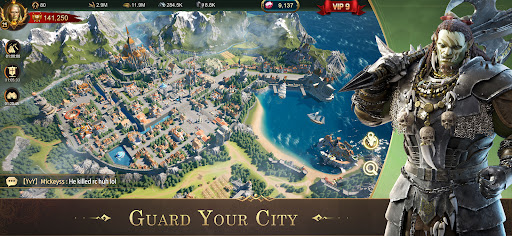
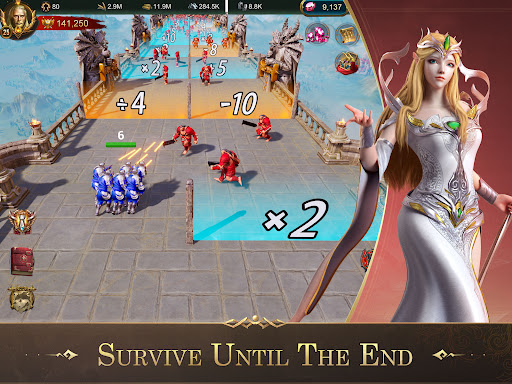
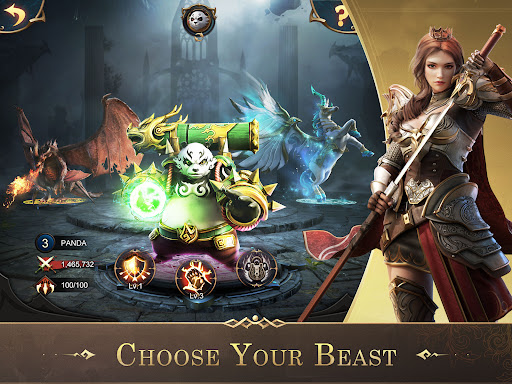
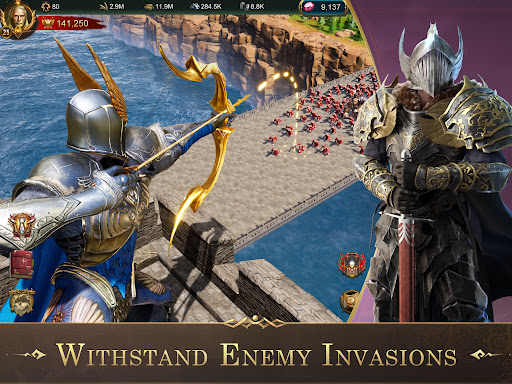
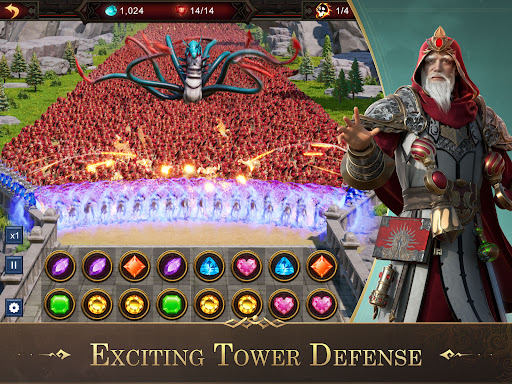
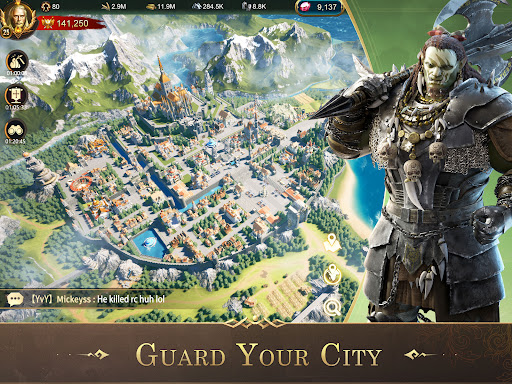
War and Order is one of those mobile strategy games that tells you exactly what it is within the first hour: a kingdom builder, a real-time war game, a social alliance sim, and a patience test all rolled into one. After spending real time with it, the best thing I can say is that it absolutely knows how to create momentum. There is almost always something to do when you log in, whether that is upgrading buildings, training troops, collecting rewards, sending marches, clearing objectives, chatting with alliance members, or preparing for the next conflict. If you enjoy games that reward routine, planning, and long-term growth, War and Order can be very absorbing. The early game is polished enough to pull you in quickly. The tutorial flow is straightforward, and while there are a lot of systems layered on top of each other, the game does a decent job of making the first stretch feel productive rather than confusing. Building your castle, unlocking troop types, watching your city become denser and more functional, and gradually understanding how combat, research, and economy fit together gives the game a strong opening rhythm. The fantasy theme also helps. This is not just another bland military base-builder. The mix of orcs, elves, humans, mages, beasts, and angels gives the world a bit more personality, and the visual presentation is better than many older strategy titles in this space. Battles and city screens have enough flair to make progression feel tangible. The second major strength is the alliance experience, which is where War and Order feels most alive. Playing solo is possible, but it is not the version of the game I would recommend. Once you are in an active alliance, the app becomes much more interesting. Help timers, group coordination, territory play, chat, and the general feeling of being part of a larger machine all add meaning to your daily tasks. It is also where the game’s best stories come from: migration, rivalry, rebuilding, and the kind of long-running realm politics that keep players emotionally invested. Even when the underlying loop is familiar, the social layer makes it feel less mechanical. The third strength is that free or low-spending play does feel viable if your expectations are realistic. War and Order does not hide the fact that spending can accelerate progress, but it also gives patient players enough activities, quests, events, and incremental rewards to keep moving. During our time with it, the game felt less like a hard paywall and more like a constant temptation to skip waiting. That distinction matters. If you are disciplined and do not mind slower progress, there is enjoyment here without opening your wallet every day. That said, War and Order also carries several of the genre’s most frustrating habits, and they become more visible the longer you play. The first problem is pacing. Early upgrades feel fast and satisfying, but later progress drags heavily. Build times and research timers stretch out, and even with alliance help and saved speed-ups, the game starts to feel like it is asking you to either wait for very long periods or accept slower momentum. There is a difference between a game encouraging long-term planning and a game simply slowing you down, and War and Order sometimes crosses that line. The second issue is PvP balance, or at least the way it feels from the vulnerable side of the battlefield. Realm politics and open conflict are a core part of the game’s identity, but that also means smaller or developing players can become targets for much stronger castles. In practice, that can make growth feel unstable. You spend time building up, only to be reminded that in a war game, fairness is not guaranteed. For competitive players in dominant alliances, this may be thrilling. For casual or mid-tier players, it can feel punishing and occasionally exhausting. The third weakness is that some support systems around the core experience do not feel as polished as the city-building loop itself. Translation quality can be rough, which matters in a game where cross-language alliance communication is central. Account-related friction is another area where any instability feels especially serious, because these games are built around months or years of progress. And while the interface is generally functional, there are moments where the sheer volume of icons, offers, tasks, and event hooks gives the game a cluttered feel. In everyday use, War and Order is at its best when you treat it like a hobby rather than a quick distraction. It rewards check-ins, planning, and social commitment. If you log in expecting a relaxed solo strategy game, you may bounce off the aggression, timers, and alliance dependence. If you log in looking for a long-form multiplayer strategy experience where community matters as much as mechanics, it has real staying power. So who is it for? It is for players who like kingdom-builders, can tolerate long upgrade cycles, and want the drama and camaraderie of alliances. It is also a good fit for patient free players who understand that smart play and persistence can matter as much as immediate power. Who is it not for? Anyone who dislikes being attacked by stronger players, anyone who wants neatly balanced PvP, and anyone who gets irritated by timer-heavy progression should steer clear. Overall, War and Order succeeds because it makes the familiar strategy formula feel lively, social, and surprisingly sticky. It falls short because it also inherits the genre’s most exhausting tendencies. If you can live with that trade-off, there is a lot here to dig into. If you cannot, the game’s fantasy spectacle will not be enough to save it.