Apps Games Articles
State of Survival: Zombie War
FunPlus International
Rating 4.5star icon
Editor's summary
Editor rating
star icon star icon star icon star icon empty star icon
4.2

One-line summary State of Survival is one of the more absorbing and generous mobile strategy builders I’ve played, but its constant monetization pressure and inevitable power gap keep it from being an easy recommendation for everyone.

  • Installs

    50M+

  • Developer

    FunPlus International

  • Category

    Strategy

  • Content Rating

    Teen

  • Latest version

    1.16.10

  • Package

    com.kingsgroup.sos

Screenshots
In-depth review
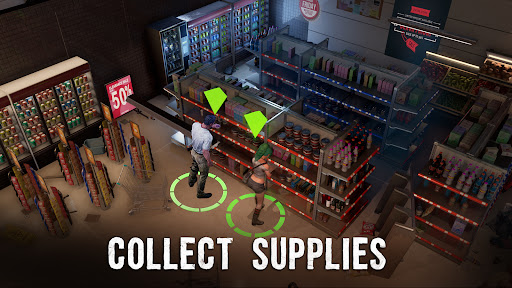
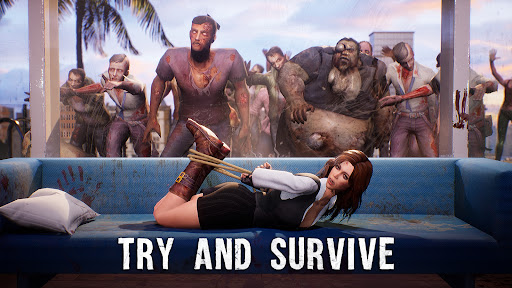
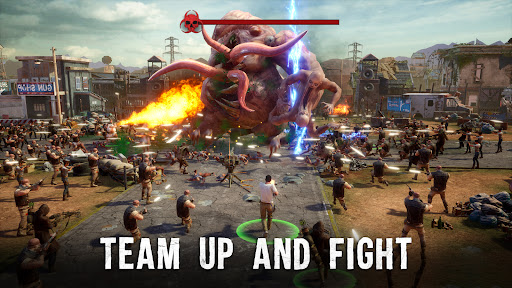
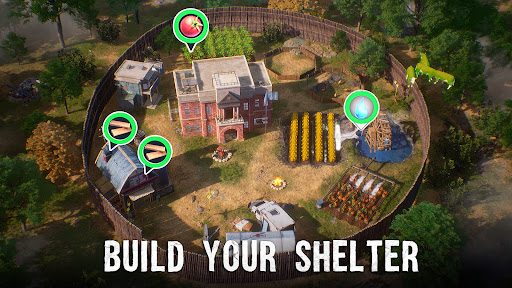
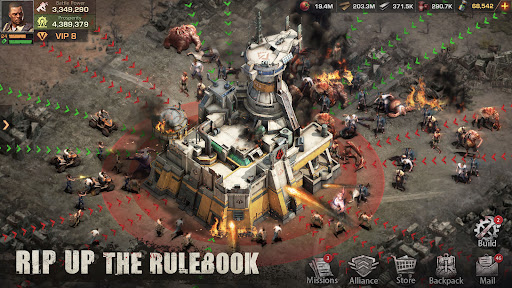
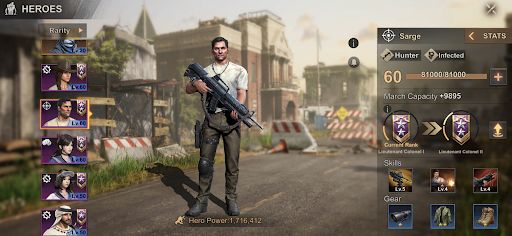
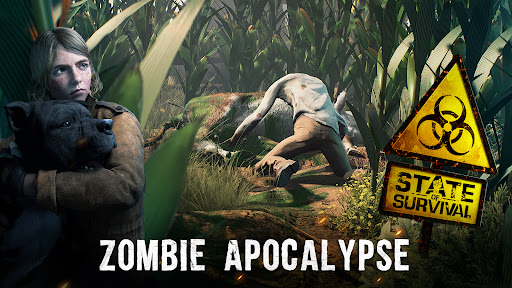
State of Survival: Zombie War is the kind of mobile strategy game that can make you lose an evening without quite realizing where the time went. I went in expecting another familiar base-building formula with a zombie skin pasted on top, and to be fair, some of that DNA is absolutely here: you build and upgrade structures, train troops, gather resources, join an alliance, and watch timers shape the rhythm of your progress. But after spending real time with it, what stood out is that the game is much better at keeping you engaged than many of its genre peers. The first few hours are especially strong. Progress comes quickly, the game throws a steady stream of missions and rewards at you, and there is almost always something productive to do. That matters in a genre that often mistakes waiting for gameplay. State of Survival does a good job of giving you momentum early on, and even once the pace slows, it still finds ways to keep your hands busy through side activities, events, chapter-style content, and various upgrade paths. It rarely feels empty. If anything, one of the app’s biggest strengths is how much there is to poke at. That variety is also tied to another thing the game gets right: it doesn’t feel like zombies are just decorative wallpaper. The apocalypse theme is carried through the art, the atmosphere, and the general sense of pressure around survival and defense. The visuals are polished for a game in this category, with strong character art and a grim but readable world design that gives the shelter and battle scenes some personality. I also liked that the game doesn’t rely solely on spreadsheet management. There are enough action-flavored touches and alternate modes to break up the routine of upgrading buildings and collecting resources. The social layer is another major reason the game works. Playing solo is possible, but State of Survival is clearly designed to become more enjoyable once you settle into an active alliance. Coordinating around events, sharing progression goals, helping each other with timers, and participating in larger conflicts gives the experience more energy than a purely single-player builder. When the alliance side clicks, the game feels less like a resource treadmill and more like an ongoing shared campaign. For players who enjoy long-term progression and group strategy, that’s where the app is at its best. Still, State of Survival is not a flawless recommendation, and the biggest issue is obvious almost immediately: the monetization is relentless. The game is free to start, and yes, you can absolutely make progress without spending. In my time with it, I never felt blocked in the literal sense. There are enough rewards, missions, and freebies to keep moving. But the game never lets you forget that spending money is an option. Offer screens, bundles, and premium nudges are woven tightly into the experience. If you’re someone who dislikes being tempted every few minutes, this will wear on you fast. That monetization pressure connects to the second weakness: balance. As with many large-scale mobile war games, there is a real power gap between paying players and everyone else, especially over time. In the early game, that gap is easier to ignore because progression is fast and your own shelter is constantly improving. Later, the math changes. Patience and smart planning still matter, but there is no pretending this is a level playing field at the high end. If your idea of fun is dominating competitive systems entirely through skill, this game will frustrate you. The third drawback is that State of Survival can become cluttered. There are a lot of systems, currencies, menus, events, and limited-time distractions competing for your attention. Some of that complexity is rewarding because it gives invested players more to optimize, but there were definitely moments when the interface felt busy rather than elegant. A few modes seem to appear in a rush, and not every part of the game is equally intuitive. On top of that, performance can occasionally dip during busier moments, with minor lag or input sluggishness interrupting the otherwise polished feel. Even with those frustrations, I came away more positive than not. What State of Survival understands better than many competitors is that a good live strategy game needs a sense of rhythm. It needs to reward short sessions without making longer sessions feel pointless. It needs to make routine upkeep feel tied to something larger. Here, logging in to collect, upgrade, reposition your focus, and contribute to alliance objectives can be genuinely satisfying. There is enough art direction, enough event variety, and enough steady progression to create a strong habit loop. Who is this for? It’s for players who enjoy alliance-based strategy games, long-term progression, daily check-ins, and having multiple systems to optimize at once. It’s also a good fit for someone who likes zombie themes but doesn’t necessarily want a pure action shooter. If you can tolerate free-to-play friction and you’re happy being competitive without needing to be number one, there is a lot to like here. Who is it not for? Anyone allergic to timers, premium pop-ups, and asymmetrical PvP should stay away. If you want a clean, focused strategy game with minimal monetization pressure, or if you hate being vulnerable to much stronger players, State of Survival will feel exhausting. In the end, State of Survival: Zombie War is a polished, content-heavy, surprisingly sticky strategy game that earns its popularity through strong pacing, solid presentation, and genuinely engaging alliance play. It just never fully escapes the genre’s worst habits: too many monetization hooks, too much system clutter, and a late-game reality where money talks louder than strategy. If you go in with the right expectations, though, it can be a very entertaining ride.