
Apps Games Articles
Age of Origins
CamelStudio
Rating 4.2star icon
Editor's summary
Editor rating
star icon star icon star icon star icon empty star icon
4.1

One-line summary Age of Origins is easy to recommend for strategy fans who want a surprisingly content-rich zombie war game, but much harder to recommend if you hate long upgrade timers and the constant pressure to spend to stay competitive.

  • Installs

    10M+

  • Developer

    CamelStudio

  • Category

    Strategy

  • Content Rating

    Teen

  • Latest version

    1.3.16

  • Package

    com.camelgames.aoz

In-depth review
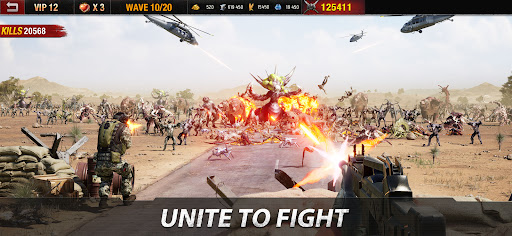
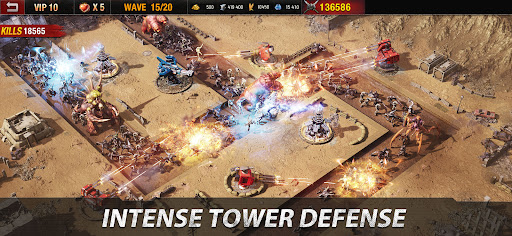
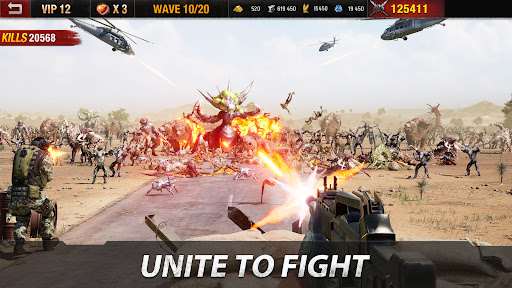
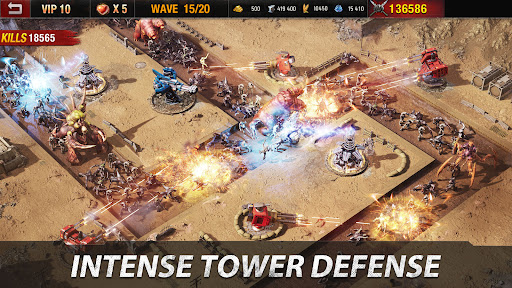
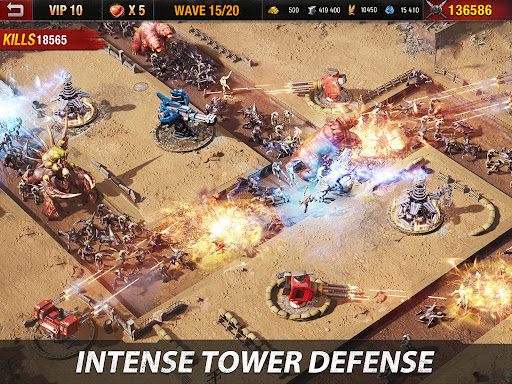
Age of Origins is one of those mobile strategy games that looks familiar at first glance and then slowly reveals that it has more going on than the usual build-wait-upgrade routine. After spending real time with it, what stood out most was how confidently it blends several different styles of play into a package that is much more energetic than its grim post-apocalyptic setup suggests. Yes, this is still a city-building war game built around resources, troop training, alliance politics, and timers. But it does a better job than many rivals at making the minute-to-minute experience feel busy, varied, and rewarding. The opening hours are strong. The game throws you into a zombie-ravaged world where rebuilding your base gives every upgrade a clear purpose. Instead of feeling like you are placing anonymous structures on a spreadsheet, there is a tangible sense that you are reclaiming a city piece by piece. That theme matters because it gives the early progression some momentum. Restoring buildings, rescuing survivors, unlocking systems, and pushing back infected areas creates the feeling of actual forward movement rather than pure menu management. That leads to the first major strength: variety. Age of Origins does not rely on one core loop alone. The standard base development and world-map strategy are here, but they are broken up by tower-defense style encounters, event content, and action-oriented side modes that make the app feel livelier than many strategy games in this lane. The well-known runner/shooter-style sequences are not the entire game, despite the marketing leaning heavily on them, but they are present and they do help break the monotony. More importantly, even outside those moments, there is usually something to do. Research, troop management, officer development, alliance tasks, map activity, and side events create a sense of constant motion. The second clear strength is presentation. Age of Origins looks polished for a mobile strategy title. The city has a stronger visual identity than a lot of interchangeable war games, and the ruined-world aesthetic gives it some personality. I especially liked how the game makes your base feel more alive as it grows. Menus are dense, but they are generally readable, and transitions between systems are smoother than expected. It is the kind of game that can look chaotic on screenshots but feels manageable once you settle into its rhythms. The third strength is the social layer. Like most games in this category, your alliance dramatically shapes the experience. In a good group, the game feels active and collaborative rather than punishing. Timed events, cooperative attacks, shared progression goals, and the usual diplomacy-and-war drama make the world feel populated and reactive. If you enjoy online strategy games because of the people as much as the mechanics, Age of Origins gives you enough tools and enough reasons to stay engaged. But the game is not without friction, and the biggest weakness is the familiar one: progression eventually slows to a crawl. Early gains come fast enough to hook you, but later upgrades demand more time, more resources, and more patience than the fun systems always justify. Building timers stretch out, key resources become more annoying to gather, and the pace starts feeling less like strategic depth and more like a wall placed in front of free players. The game remains playable without spending, but if you want to keep pace with stronger players or recover quickly from setbacks, the pressure to buy convenience becomes impossible to ignore. That ties directly into the second weakness: competitive imbalance. Age of Origins is enjoyable when you feel like your decisions matter, but less enjoyable when stronger spenders can erase progress quickly. Protection, positioning, alliance support, and smart play all help, but this is still a game where economic power can translate into battlefield dominance. If you are the kind of player who wants an even playing field or dislikes being vulnerable while long upgrades tick down, this can become frustrating fast. The third weakness is that the interface can occasionally feel overstuffed and a little inconsistent. There is a lot to claim, a lot to monitor, and a lot of overlapping systems competing for your attention. That density creates depth, but it also creates clutter. Some utility features could be smoother, and some social tools, especially communication-heavy parts of the game, do not always feel as elegant as they should in a title so dependent on coordination. I also ran into moments where the app felt less responsive than ideal, though not enough to make it unplayable. What I appreciate most about Age of Origins is that it does not coast on one hook. Even when the economy starts dragging, the game still finds ways to tempt you back in with events, side activities, and alliance-driven goals. It understands that strategy games on phones live or die by routine, and it is very good at building one. Logging in to collect, build, fight, contribute, and squeeze out one more meaningful upgrade can become genuinely habit-forming. Who is it for? This is a strong pick for players who enjoy long-term strategy progression, alliance-based play, and a steady stream of side content layered onto a base-building war game. If you like zombie themes, social coordination, and the satisfaction of gradually transforming a battered settlement into something formidable, there is a lot to like here. Who is it not for? If you dislike pay-to-win pressure, hate waiting on timers, or want the action-runner sequences from the ads to be the main event, you may bounce off it. Likewise, solo players who do not want to deal with alliance politics will miss a big part of what makes the game work. Overall, Age of Origins is a polished, content-heavy strategy game that earns its audience with variety and atmosphere, even if it never fully escapes the genre's usual monetization and pacing traps. It is better than the average clone in this space, but it still asks for either patience or money once the honeymoon phase fades.