Speak: Language Learning
Speakeasy LabsRating 4.7
Editor's summary
Editor rating

 4.5
4.5
One-line summary Speak is one of the most effective language apps I’ve used for building real speaking confidence, but it’s a tougher sell if you want a broad free experience or a slower, more text-heavy way to study.
-
Installs
5M+
-
Developer
Speakeasy Labs
-
Category
—
-
Content Rating
Everyone
-
Latest version
4.6.0
-
Package
com.selabs.speak
Screenshots
In-depth review
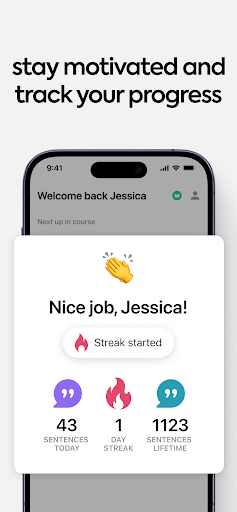
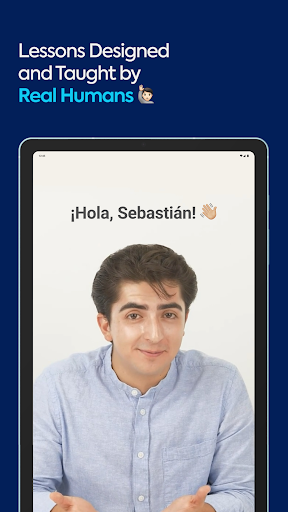
Speak: Language Learning feels like an app built around a simple but important idea: if you want to speak a language, you need to spend less time tapping and more time actually talking. After spending time with it, that focus is exactly what makes it stand out. This is not a game-first language app dressed up with streaks and mascots. It is a speaking app, unapologetically so, and that decision shapes almost every part of the experience.
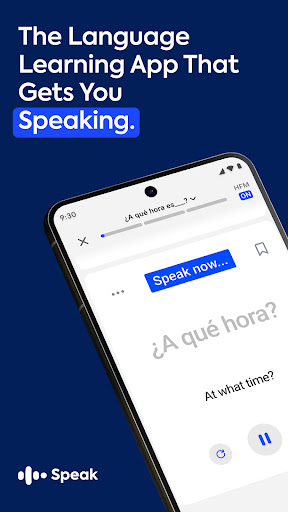
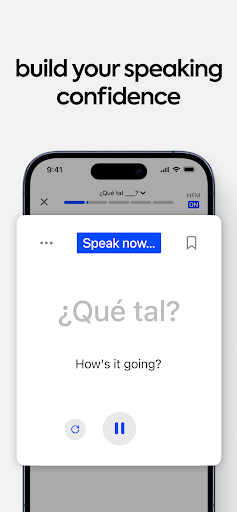
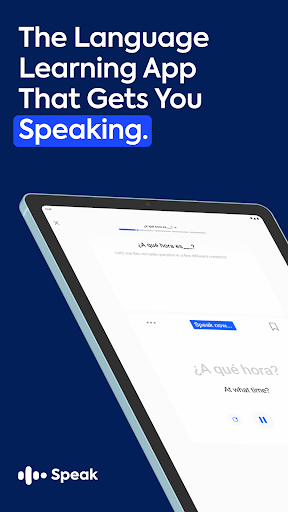
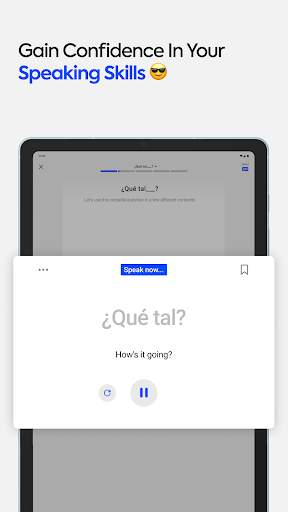
From the first few lessons, Speak pushes you to say useful phrases out loud instead of quietly recognizing words on a screen. That sounds obvious, but in practice it changes the rhythm of learning. Lessons feel active. You listen, repeat, respond, and then do it again until the phrase starts to come out with less hesitation. The app is at its best when it gets you out of “I think I know this” mode and into “I can actually say this without freezing” mode. For learners who already know some vocabulary but struggle to open their mouth and speak, that is a huge advantage.
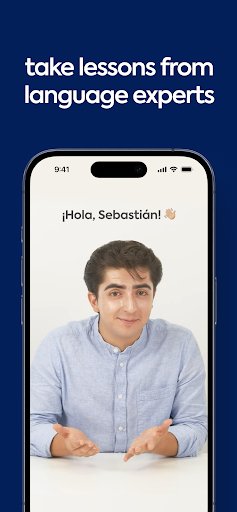
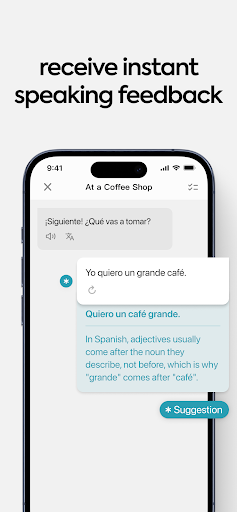
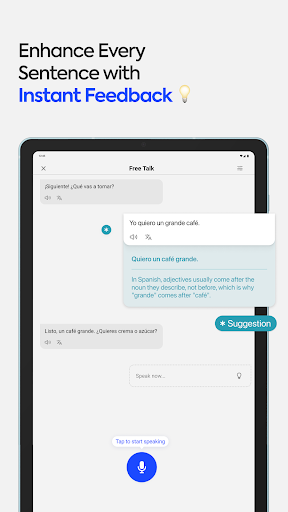
The strongest part of the app is its feedback loop. The speech recognition generally feels sharp, and when the app is locked in, it gives the session a near-tutor-like momentum. You say a phrase, get corrected, try again, and move on. That instant response matters. In many language apps, pronunciation practice feels bolted on; here it feels central. I found myself paying more attention to pacing, pronunciation, and confidence because the app keeps bringing the spoken part back to the front. It is especially effective for common travel and daily-life phrases, where repetition actually pays off quickly.
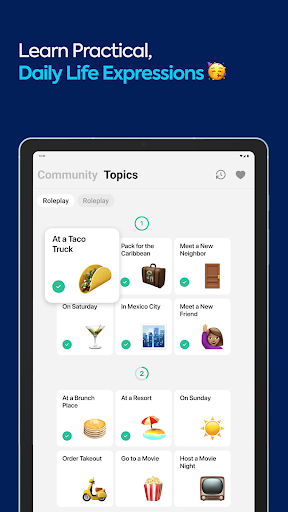
Another thing Speak gets right is lesson practicality. The content I worked through felt grounded in the kind of expressions a beginner or lower-intermediate learner would genuinely want early on: greetings, polite phrases, directions, short exchanges, and everyday conversational structures. There is less of the random-word problem that some language apps drift into. That makes the app feel purposeful. You are rarely wondering why you are learning a particular phrase right now.
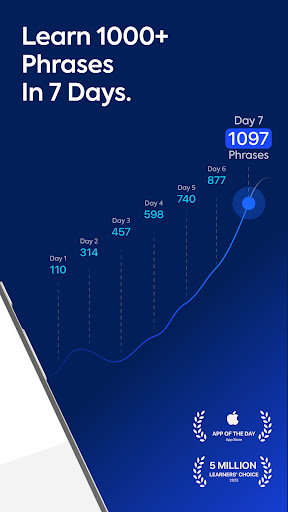
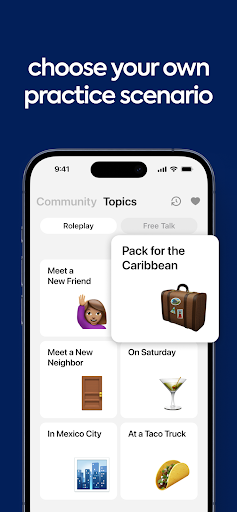
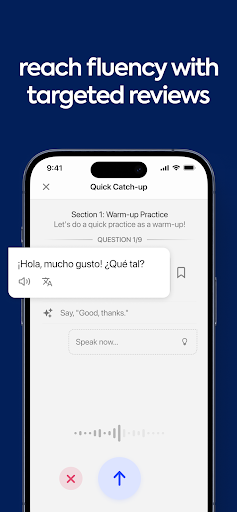
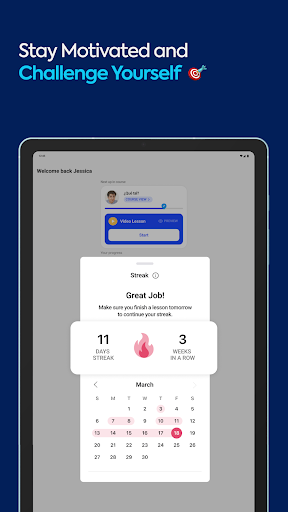
I also liked how flexible the practice flow felt. Being able to revisit lessons matters in a speaking app because the first successful attempt does not mean the phrase is really yours yet. Speak seems to understand that repetition is not failure; it is the method. In day-to-day use, that makes the app easier to return to. A quick session can still feel productive because you can drill material you already touched instead of constantly being pushed into brand-new content.
That said, Speak is not perfect, and its biggest strength can also become its biggest limitation. Because the app is so centered on speaking, it is less ideal for learners who want deep grammar explanation, heavy reading practice, or the slow comfort of studying silently. If you prefer to analyze sentence structure before saying anything out loud, Speak can feel a bit impatient. It wants participation. That is great when you are motivated and in a place where you can talk, but less great when you are on a quiet train, in bed next to someone sleeping, or simply not in the mood to perform verbally.
The AI-driven recognition, while usually impressive, is not magical. There were moments where it felt a little picky or just slightly off in a way that interrupted the flow. Not enough to ruin the app, but enough to remind you that speech systems still have edges. When that happens in a lesson built around momentum, it can be frustrating because you are no longer practicing the language; you are negotiating with the app. Most of the time, it recovers well, but it is not flawless.
A second drawback is that some learners will want more literal breakdowns of phrases and grammar as they go. Speak does teach through usage, which works beautifully for confidence and recall, but there were times I wanted a clearer word-for-word explanation before moving on. The app often prioritizes the practical meaning of a sentence, and that is useful, but it can leave more analytical learners wanting just a bit more scaffolding.
The third issue is the usual tension between free access and long-term value. The app gives a strong first impression and feels polished, but it also clearly nudges you toward its membership model. That is not unusual, and to be fair, the core experience feels premium enough to justify why it would charge. Still, if you are looking for a very generous free-form study tool that you can use indefinitely without limits, Speak may feel more restrictive than some casual alternatives.
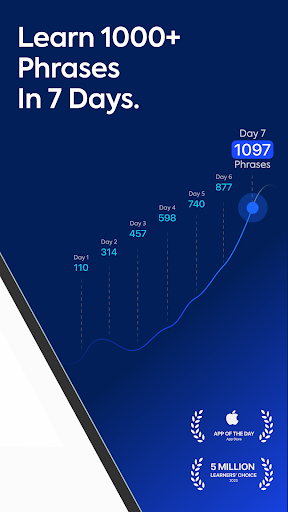
Where the app really succeeds is in making language learning feel less abstract. Too many apps let you believe you are progressing because you can recognize the right answer among four options. Speak asks a harder question: can you actually say it? That makes the victories feel smaller in the moment but more real over time. After a few sessions, I felt less like I was collecting language fragments and more like I was rehearsing actual speech.
Who is it for? Speak is best for learners who want conversational confidence, especially beginners and lower-intermediate users who need structure, repetition, and pronunciation practice. It is also a good fit for people who have bounced off more gamified apps and want something that feels more direct and practical. It is not the best choice for learners who mainly want grammar-heavy instruction, lots of reading and writing, or a quiet, passive study experience.
Overall, Speak earns its high reputation because it stays focused on the part of language learning that most apps avoid: the awkward, necessary work of speaking out loud. It is polished, modern, and often genuinely effective. Its AI occasionally misfires, its explanations can be lighter than some learners will want, and the free experience may not satisfy everyone long term. Even so, if your goal is not just to learn a language on paper but to actually say it with confidence, Speak is one of the strongest options in the Play Store right now.
Alternative apps
Recommended Apps
-

Kwai - Short Video Community
Joyo Technology Pte Ltd4.4
-
Vita Mahjong
Vita Studio.4.8
-

TIDAL Music
TIDAL4.0
-

Wendy’s
Wendy's Int'l., LLC4.7
-
Nova Launcher
Nova Launcher4.4
-

Crunchyroll: Anime Streaming
Crunchyroll, LLC4.7
-

Sonic The Hedgehog 2 Classic
SEGA4.2
-

Cerebral - Mental Health
Cerebral4.2
-

Tango: Live Stream, Video Chat
Tango4.3
-

Granny
DVloper4.3
-

Zello PTT Walkie Talkie
Zello Inc4.3
-

Mafia City
YOTTA GAMES4.5
-

Doctor On Demand
Doctor On Demand, Inc4.8
-
Rain Proxy
NGP Developer Studio4.0
-

Count Masters: Stickman Games
Freeplay Inc4.0