
Apps Games Articles
Rise of Kingdoms: Lost Crusade
LilithGames
Rating 4.4star icon
Editor's summary
Editor rating
star icon star icon star icon star icon empty star icon
4.2

One-line summary Rise of Kingdoms: Lost Crusade is one of the slickest and most social mobile strategy games around, but its long-term grind and spender advantage make it easier to admire than to recommend to every kind of player.

  • Installs

    50M+

  • Developer

    LilithGames

  • Category

    Strategy

  • Content Rating

    Everyone 10+

  • Latest version

    1.0.58.19

  • Package

    com.lilithgame.roc.gp

In-depth review
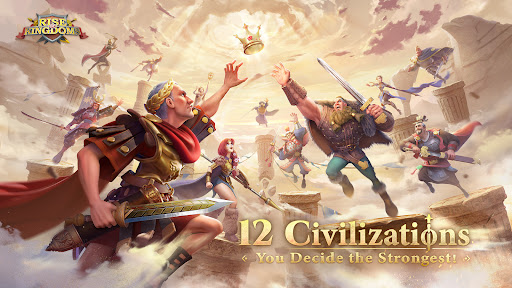
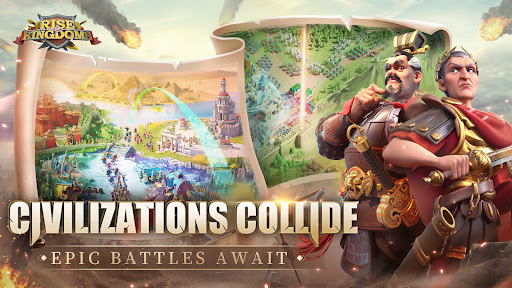
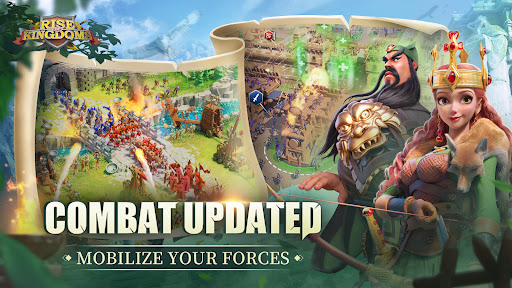
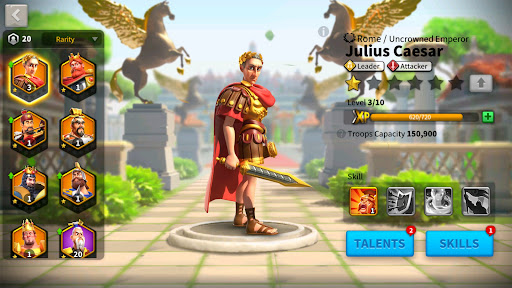
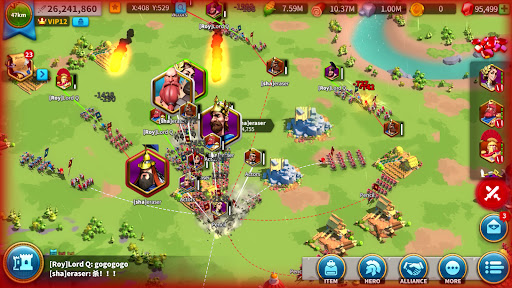
After spending real time with Rise of Kingdoms: Lost Crusade, the first thing that stands out is how much more alive it feels than the average mobile kingdom-builder. A lot of games in this genre start with the same familiar loop of upgrading buildings, training troops, waiting on timers, and nudging you toward purchases. Rise of Kingdoms absolutely has those systems, but it presents them with far more energy, polish, and player agency than most of its peers. The map feels active, alliances matter immediately, and battles have a sense of movement that gives the game a stronger strategy identity than the usual passive base-management formula. The early game is especially strong. The onboarding is brisk without being confusing, and within a short session I felt like I understood the core loop: build up the city, send out scouts, gather resources, train armies, and start working with an alliance. That last part is not optional if you want the game to shine. Playing solo, Rise of Kingdoms is competent. Playing inside an active alliance, it becomes genuinely absorbing. The social structure is where the app finds its personality. Coordinating troop movements, reinforcing allies, joining rallies, and watching a quiet region suddenly become contested gives the game a satisfying sense of shared momentum. One of the app’s biggest strengths is how it handles the battlefield itself. Troops move in real time on the world map, and that creates a nice layer of responsiveness that many mobile strategy games never reach. You are not just tapping “attack” and waiting for a report to arrive. You are redirecting marches, responding to pressure, deciding whether to commit more troops, and paying attention to territory in a way that feels closer to a lightweight RTS than a static builder. Even when the mechanics are streamlined for mobile, the illusion of command is strong. The map zoom and general flow between city management and field activity are smooth enough that the game rarely feels clumsy. The second major strength is presentation. Rise of Kingdoms is polished in the way expensive, well-maintained mobile games tend to be. The art is attractive, commanders are memorable, and the civilizations give the game some flavor beyond generic fantasy-war dressing. It helps that the world is easy to read at a glance despite having a lot going on. There is plenty of visual noise in big alliance conflicts, but the overall interface remains more usable than I expected from such a feature-heavy game. For a title that asks for repeated daily check-ins, that level of polish matters. The third strength is that there is usually something to do. Exploration, city development, commander progression, alliance tasks, events, and resource gathering create a good rhythm of short-term goals. Even when I was not in the mood for PvP tension, I could still make useful progress. The game is good at handing out small objectives and making routine sessions feel productive. It also benefits from not feeling aggressively ad-driven. For a free mobile game, that helps it come across as more confident and less desperate. That said, Rise of Kingdoms becomes much harder to recommend without qualifications once the honeymoon phase fades. Its biggest weakness is the familiar free-to-play power curve. In the opening stretch, progression feels generous and approachable. Later on, the timers lengthen, resource demands swell, and commander growth starts to feel expensive in time if not necessarily in money. You can play for free and still have fun, but the game makes it very clear that paying speeds up pain points that it has deliberately created. In a competitive environment, that matters. The gap between highly active or paying players and everyone else is hard to ignore, especially once kingdom politics and alliance hierarchy begin to settle. The second frustration is that the game can be demanding in a way that borders on exhausting. This is not a strategy game you casually check once a day if you want to stay relevant in a good alliance. There is a lot of pressure to log in, contribute, move troops, answer pings, and keep your development on schedule. For some players that constant activity is the appeal. For others, it will feel like a second job with prettier menus. I enjoyed the sense of momentum, but I also felt how easy it is for the game to start dictating your availability. The third weakness is a collection of smaller annoyances that chip away at the experience: intrusive verification prompts, occasional notification weirdness, and some fiddly battlefield interaction when units cluster together. None of these issues ruin the game on their own, but they are exactly the kind of friction that becomes more irritating when the stakes are high in war or when you are trying to react quickly. Rise of Kingdoms is polished, not flawless. So who is this for? If you enjoy long-term strategy progression, alliance-driven play, real-time map pressure, and the social drama of territory control, this is one of the better mobile games in its class. It is especially good for players who like checking in throughout the day and being part of an organized group. If you want a deeply solo experience, dislike PvP pressure, or get irritated by grind walls and monetization advantages, this is probably not your game for the long haul. Overall, I came away impressed. Rise of Kingdoms: Lost Crusade does not reinvent mobile strategy, but it executes the formula with unusual confidence. It looks good, plays smoothly, and creates enough genuine tactical and social engagement to rise above the genre’s usual background noise. I would recommend it to strategy fans who know what they are signing up for. Just go in understanding that the same systems that make it compelling in the first week can make it feel punishing a month later.