
Apps Games Articles
Rakuten: Cash Back and Deals
Rakuten Rewards
Rating 3.4star icon
Editor's summary
Editor rating
star icon star icon star icon
half star icon
empty star icon
3.9

One-line summary Rakuten is one of the easiest cash-back apps to actually live with day to day, but its occasional tracking misses and awkward checkout flow keep it from being an automatic recommendation.

  • Installs

    10M+

  • Developer

    Rakuten Rewards

  • Category

    Shopping

  • Content Rating

    Everyone

  • Latest version

    12.23.0

  • Package

    com.ebates

In-depth review
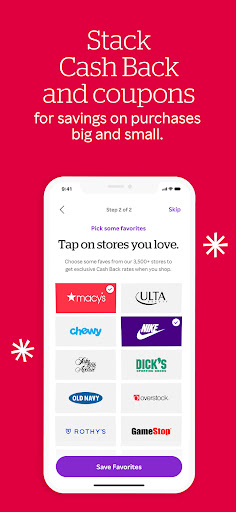
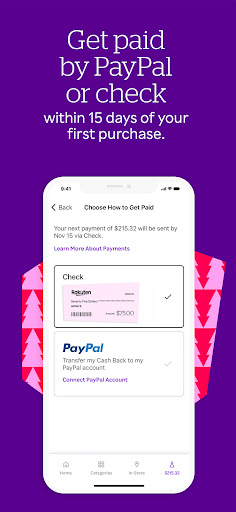
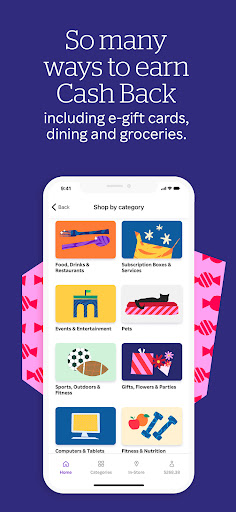
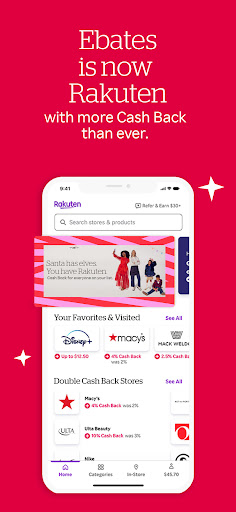
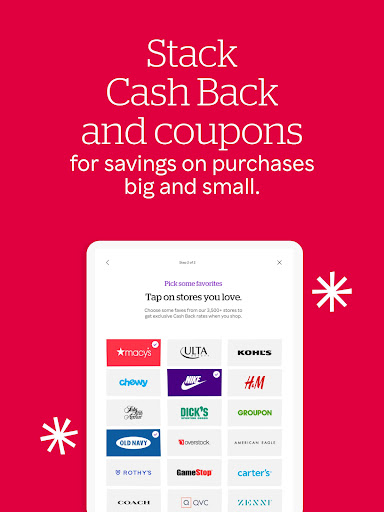
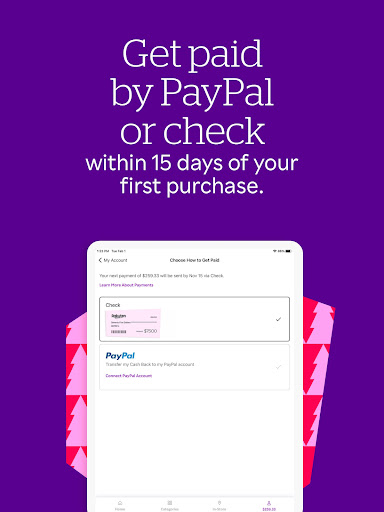
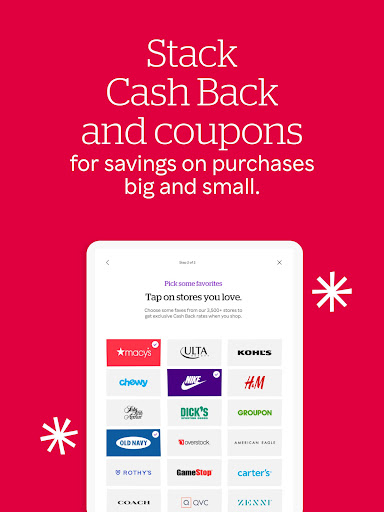
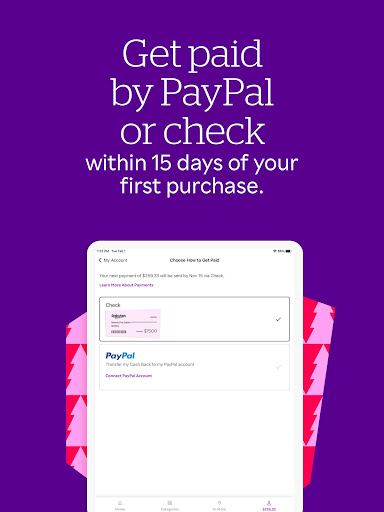
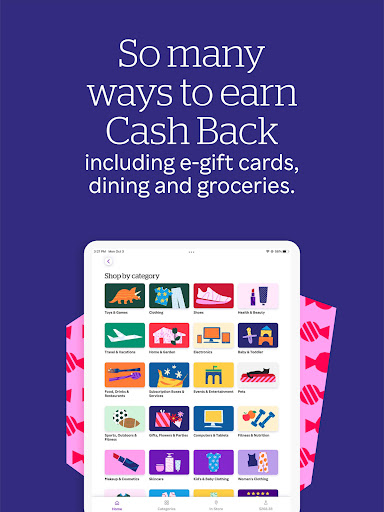
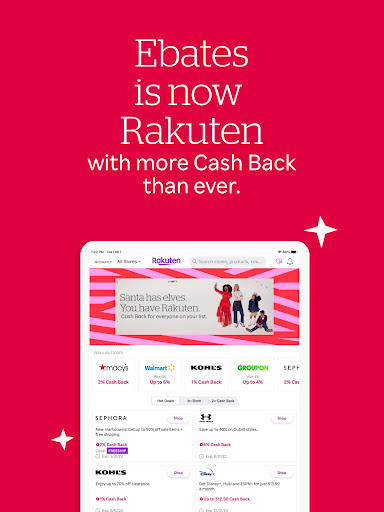
Rakuten is one of those apps that sounds almost too simple when you first install it: open the app, tap a store, shop as usual, and wait for cash back to show up later. After spending real time with it, that basic pitch mostly holds up—and that is the app’s biggest advantage. Unlike savings apps that make you scan receipts, preselect offers, or jump through a dozen conditions, Rakuten generally stays out of the way. If you already shop online with any regularity, it can feel like a low-effort way to recover a small slice of money you were going to spend anyway. What stood out immediately in daily use is how approachable the app feels. The browsing experience is straightforward. You can search for a store directly or wander through categories, trending picks, and favorites. That matters more than it sounds, because a cash-back app lives or dies by how quickly it gets you from “I need to buy something” to “I’m on the store page with tracking active.” Rakuten gets that part right. It is not trying to turn shopping into a game or a financial planning ritual. It is a utility, and in its best moments it is a very convenient one. The second thing Rakuten does well is stacking. In practice, the appeal is not just the percentage back from the app itself. The real value comes when you combine that cash back with store sales, coupon codes, loyalty perks, and free shipping offers. Used this way, Rakuten can make ordinary shopping feel a little smarter. During testing, that layering of discounts was what made the app worth opening before checkout. Even a small percentage back becomes meaningful over time if you use it consistently across routine purchases. The payment side also helps Rakuten feel legitimate. The app is built around actual cash back, not points with fuzzy conversion rates. The option to receive payment through PayPal or by check makes the reward feel concrete. There is something satisfying about seeing a real payout rather than another internal balance trapped inside an app. That clarity gives Rakuten more trust than a lot of deal apps that make saving feel theoretical. That said, using Rakuten regularly also reveals its biggest weakness: consistency. The app works best when tracking catches every transaction cleanly and your pending cash back appears without effort. But that smooth path is not guaranteed every time. In use, there is a lingering uncertainty around whether a purchase will register exactly as expected, especially with more aggressive promotional offers. When a cash-back app is built on trust, even occasional misses create friction. If you have to check whether an order tracked, keep screenshots, or follow up on a missing reward, some of the “easy money” magic disappears. The checkout flow can also be clunky. Because Rakuten often routes you through a retailer in an in-app browser or linked shopping session, it can feel less smooth than using a retailer’s own dedicated app directly. That is especially noticeable if a store page is not perfectly optimized for mobile or if interface elements overlap awkwardly. On some shopping pages, the app’s own persistent controls can get in the way more than they should. It is not a dealbreaker, but it reminds you that Rakuten is inserting itself into another shopping experience rather than owning the full journey. Then there is the timing issue. Rakuten is not instant gratification. You do not get your reward right after pressing Buy, and this app is at its best when you treat cash back as delayed savings rather than immediate discounting. If you are the kind of user who wants to see a direct price drop at checkout, Rakuten may feel abstract. The money arrives later, and that waiting period makes the app feel less exciting if you are only making occasional purchases or expecting a rapid stream of rewards. Still, after extended use, I came away thinking Rakuten succeeds because it asks relatively little of the user. Open it, activate a store, and shop. That simplicity is rare in the rewards space. It also helps that the app covers a large range of stores, so it does not feel limited to niche merchants you would never use. When I built the habit of checking Rakuten before placing an order, the app fit naturally into online shopping. When I forgot to start there, though, there was no real safety net. That is another subtle weakness: Rakuten rewards discipline. If you do not remember to launch through the app, you do not get paid. Who is this app for? It is for frequent online shoppers, coupon stackers, and anyone patient enough to treat cash back as a recurring bonus instead of a real-time discount. It is especially good for people who buy from familiar mainstream stores and do not mind taking one extra step before checking out. It is not for shoppers who want instant savings, who dislike monitoring transactions, or who expect every cashback promise to land flawlessly without follow-up. In the end, Rakuten remains genuinely useful, but not effortless in every situation. Its strengths are clear: a simple setup, broad store coverage, and real cash payouts that can stack nicely on top of regular deals. Its weak spots are just as clear: occasional tracking uncertainty, a sometimes awkward mobile checkout experience, and delayed rewards that demand patience. If you can live with those trade-offs, Rakuten is still one of the more practical shopping companion apps you can keep on your phone.
Alternative apps