
Apps Games Articles
The Grand Mafia
YOTTA GAMES
Rating 4.3star icon
Editor's summary
Editor rating
star icon star icon star icon star icon empty star icon
4.2

One-line summary The Grand Mafia is easy to recommend if you want a social, event-heavy strategy grind with real staying power, but much harder to recommend if you hate long timers, occasional lag, and the pressure to spend to stay competitive at the top.

  • Installs

    10M+

  • Developer

    YOTTA GAMES

  • Category

    Strategy

  • Content Rating

    Mature 17+

  • Latest version

    1.0.807

  • Package

    com.yottagames.gameofmafia

In-depth review
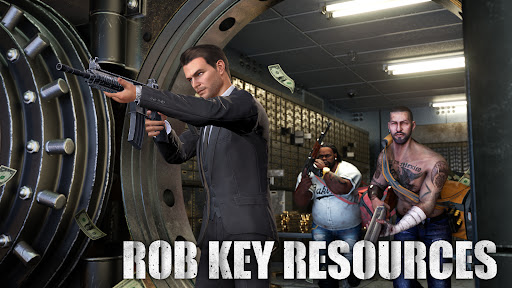
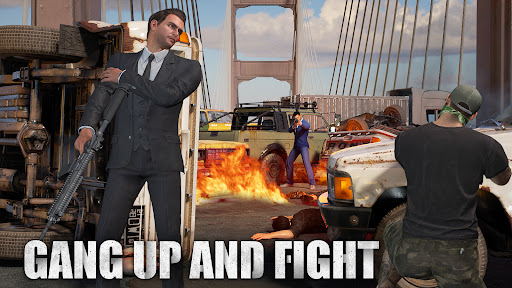
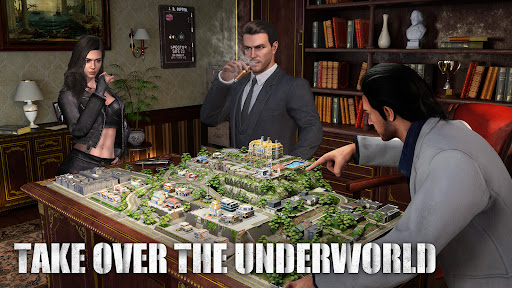
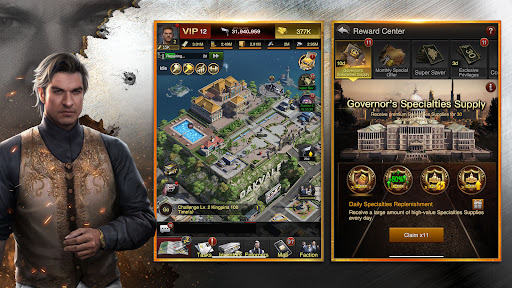
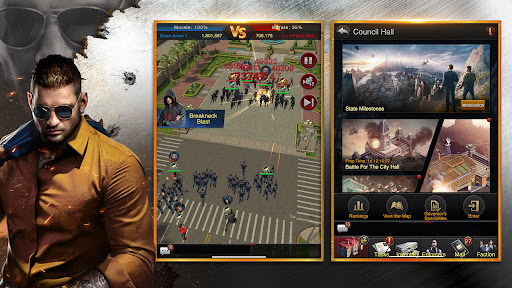
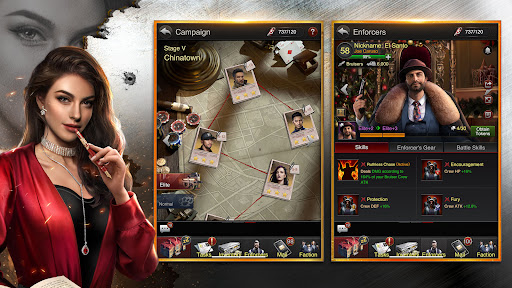
The Grand Mafia knows exactly what kind of mobile strategy game it wants to be. This is not a quick-hit tactics app or a light city-builder you check twice a day. It is a long-term, alliance-driven, always-busy strategy game built around power growth, faction coordination, and a constant stream of things to upgrade, optimize, and fight over. After spending real time with it, what stood out most to me was not just the mafia theme, but how effectively the game turns routine empire management into something that feels social, active, and oddly hard to put down. The opening hours are strong. The game does a good job of easing you into a system that could otherwise feel overwhelming. There are a lot of moving parts: buildings, research, crew management, combat systems, events, and character progression. In many games in this genre, that early complexity lands like a wall of icons. Here, I found the onboarding more guided than intimidating. The first stretch gives you enough rewards, enough direction, and enough little victories that progress feels satisfying rather than exhausting. That matters, because The Grand Mafia is a game that gets denser the longer you stay with it. Presentation also helps. The mafia setting gives the whole thing a stronger identity than the usual generic kingdom-war formula. The UI is busy, but not chaotic, and the art direction does enough to make the city, characters, and progression systems feel distinct. It is still very much a mobile strategy game with menus layered on menus, but it has more personality than many of its rivals. Even when I was mostly tapping through upgrades and timers, it still felt like I was building a criminal network rather than just reskinning another castle game. The biggest strength, though, is the social layer. This is a much better game when played as part of an active faction. Joining a good group changes the entire rhythm of play. Suddenly, timers matter less because help comes in. Events feel more meaningful because they involve coordination. Progress is not just about your own base, but about contributing to a collective push. The built-in communication and international feel give it a sense of life that many solo-friendly strategy games never quite achieve. When the faction is active, The Grand Mafia becomes less of a checklist app and more of a shared hobby. The event cadence is another plus. There is usually something happening, something to chase, or some reason to log back in. That keeps the midgame from going stale. I appreciated that there are enough side systems and regular objectives to stop the experience from flattening into pure timer management. The game understands that these titles live or die by momentum, and for the most part it keeps momentum alive. That said, The Grand Mafia absolutely comes with the usual baggage of the genre, and then some. The most obvious issue is monetization pressure. You can play for free, and you can enjoy it for free, but the gap between playing casually and competing seriously becomes more noticeable as you go. Early on, the game is generous enough that you may feel perfectly comfortable ignoring purchases. Later, progression slows, stronger players pull further ahead, and the value of paid boosts becomes much harder to ignore. I never felt that spending was mandatory just to participate, but I did feel the game nudging me more aggressively once I was invested. A second issue is that progression can become uneven. The early game is packed with direction and rewards; later, the pace slows and the path forward feels less elegant. That is when the game becomes more dependent on your patience, your faction, and your willingness to learn a lot of overlapping systems. If you enjoy long-haul optimization, this is where the game gets interesting. If you prefer cleaner strategy loops with less waiting and less menu management, this is where fatigue can set in. The third frustration is technical roughness. In regular play, The Grand Mafia is generally stable enough, but it is not flawless. I ran into moments where responsiveness felt sluggish, and this is the kind of game where any lag becomes more noticeable during busy periods or time-sensitive actions. It is not broken, but it can feel less polished than its strongest design ideas deserve. A game this dependent on constant interaction benefits enormously from snappy performance, and there are stretches where it falls short. There are also some design choices that will divide players. The “Babe” system, for example, leans into the app’s flashy underworld aesthetic in a way that some players will find silly or dated rather than appealing. It is part of the game’s identity, but not always in the most tasteful way. And because the game stacks so many systems together, there are times when it can feel like it is trying to keep you busy rather than giving you meaningful decisions. The best moments come when faction coordination, battle prep, and long-term planning all click together. The weaker moments feel like maintenance. So who is The Grand Mafia for? It is for players who enjoy persistent strategy games, like joining alliances, do not mind long-term progression, and want a game they can live in for months or even years. It is especially good for players who like the social side of mobile gaming as much as the tactical side. It is not for people looking for a clean, self-contained strategy experience, or for anyone who gets irritated by pay-to-progress pressure, long timers, or event-driven FOMO. In the end, I came away impressed. The Grand Mafia is not subtle, and it is not especially forgiving of players who want a low-commitment experience. But within its lane, it is polished where it counts most: onboarding, social play, and keeping you engaged. It can be addictive, occasionally messy, and sometimes too eager to sell power, yet it also delivers the thing many games like this promise and never quite achieve: a sense that your daily check-ins actually connect to a larger shared world. If that sounds appealing, this is one of the stronger entries in the genre.