
Apps Games Articles
myPhonak
Sonova AG
Rating 2.7star icon
Editor's summary
Editor rating
star icon star icon star icon empty star icon empty star icon
3.4

One-line summary myPhonak is worth considering because its hearing-aid controls can be genuinely useful day to day, but I’d hesitate to recommend it without reservation because the app often feels more complicated and less dependable than a medical companion app should.

  • Installs

    1M+

  • Developer

    Sonova AG

  • Category

    Medical

  • Content Rating

    Everyone

  • Latest version

    6.2.3

  • Package

    com.sonova.phonak.dsapp

Screenshots
In-depth review
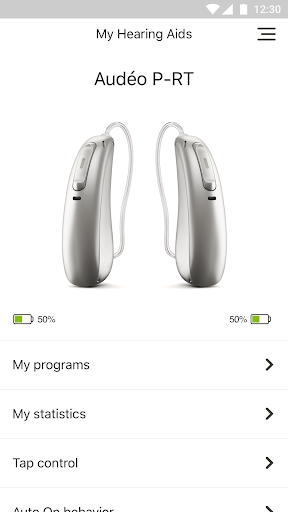
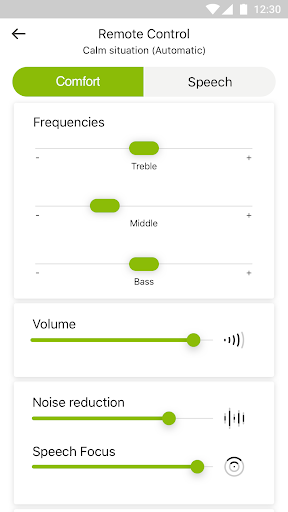
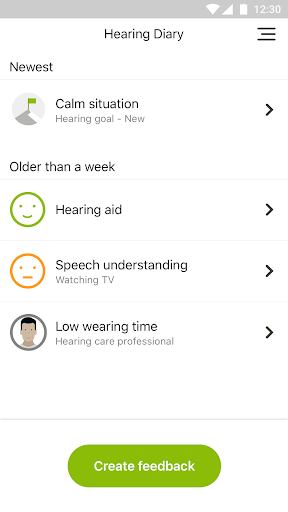
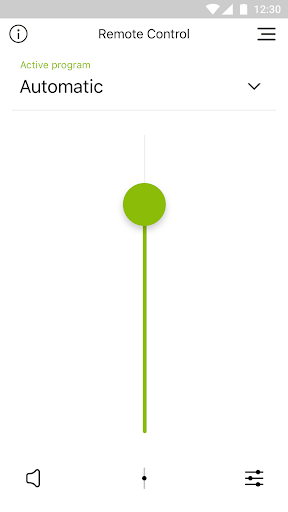
After spending time with myPhonak as an everyday companion app rather than just a quick test-drive utility, my impression is mixed but not dismissive. There is a solid, practical app in here, and when the essentials click into place, it does exactly what a hearing-aid companion should do: give you quick access to volume, programs, and sound adjustments without forcing a trip back to your hearing care professional. But there is also a recurring sense that the app wants to be several things at once, and that ambition doesn’t always help the person who just wants reliable control over their hearing aids. The best part of myPhonak is that it addresses a real everyday need. The remote control side of the app is not a gimmick. Being able to tweak volume, switch listening programs, and adjust sound characteristics on the fly makes a meaningful difference in daily life. In practice, that means the app feels most valuable in the moments where your environment changes faster than your patience does: a louder restaurant, a quiet conversation, a windy walk outside, or a television session where speech needs a little extra clarity. Those controls are the heart of the experience, and when I stayed focused on that core functionality, the app felt useful and easy to justify keeping installed. Another strength is the level of personalization. myPhonak goes beyond a single volume slider and gives room for more tailored sound shaping. The equalizer-style adjustments and presets make it possible to nudge the listening experience toward comfort or clarity without requiring technical know-how. That matters because hearing support apps can easily become too clinical or too technical. This one, at its best, gives users meaningful control without making every adjustment feel like homework. I also like that the app tries to bring related support features into one place. Battery information, device status, optional reminders, and remote support with a hearing care professional all fit the idea of a connected hearing ecosystem. If you are the kind of user who wants one app to handle not just quick adjustments but also some ongoing support and monitoring, myPhonak has a broader utility than a basic accessory app. Where the app starts to lose momentum is in the overall experience of getting to what matters. The interface is not terrible, but it can feel busier than necessary. The app’s newer design philosophy pushes beyond simple hearing-aid control into health tracking and broader device management. For some users, that will be welcome. For others, it creates friction. In my own use, I kept coming back to the same thought: this app is at its best when it stays out of the way, and at its worst when it asks me to navigate around extras to reach the controls I actually need. A hearing app should feel immediate and calm. myPhonak sometimes feels more layered than that. That leads into the first major weakness: focus. There is a difference between being feature-rich and being scattered. Health tracking, activity data, and other add-ons may be useful on compatible devices, but they do not feel equally essential to every user. If your main goal is simply to manage hearing settings efficiently, these extra sections can make the experience feel less streamlined than it should. I found myself wishing for a cleaner, more customizable home experience that prioritizes the remote control tools first and lets the broader wellness features stay more optional. The second weakness is consistency. Apps tied to medical-adjacent hardware need to feel dependable every time, not just when conditions are ideal. myPhonak does not always project that sense of effortless reliability. Even when the app is functional, there can be a subtle fragility in the experience: a little too much waiting, a little too much checking whether everything is connected and responding as expected, a little too much interface overhead for a task that should feel instant. On a standard lifestyle app, that would be mildly annoying. On an app that people may depend on throughout the day, it matters more. The third weakness is that the app’s design can feel like it was built to showcase capability rather than simplicity. This is not the same thing as saying it is hard to use across the board; many functions are understandable enough once you settle in. But it lacks the kind of elegant minimalism that would make it welcoming for less tech-comfortable users, especially those who may want a straightforward medical accessory app and nothing more. There is a difference between giving users options and asking them to live in an ecosystem. myPhonak leans toward the latter. Who is this app for? It is best for current Phonak hearing-aid users who want hands-on control, appreciate the ability to personalize sound, and may also find value in extras like health metrics and remote support. If you are comfortable spending a little time learning the layout, there is real benefit here. Who is it not for? It is not ideal for someone who wants an ultra-simple, stripped-down experience with only the essential hearing controls front and center. If you are easily frustrated by apps that do too much, myPhonak may test your patience. Overall, myPhonak is useful enough to matter and ambitious enough to be frustrating. Its core hearing-aid controls can improve daily life, and that keeps it firmly relevant. But the app does not consistently deliver the kind of simplicity and reliability that would turn a decent companion into an easy recommendation. I would recommend it with moderate confidence to people already invested in compatible Phonak devices, especially if they want deeper control and extra features. I would not recommend it as a model of polished app design. It works best when you treat it as a tool, not when you expect it to feel seamless.