
Apps Games Articles
Mafia City
YOTTA GAMES
Rating 4.5star icon
Editor's summary
Editor rating
star icon star icon star icon star icon empty star icon
4.3

One-line summary Mafia City is an unusually sticky real-time strategy sim with strong progression and social play, but its cluttered interface, occasional bugs, and long-term pressure to keep up can make it feel more demanding than fun.

  • Installs

    100M+

  • Developer

    YOTTA GAMES

  • Category

    Strategy

  • Content Rating

    Mature 17+

  • Latest version

    1.6.251

  • Package

    com.yottagames.mafiawar

Screenshots
In-depth review
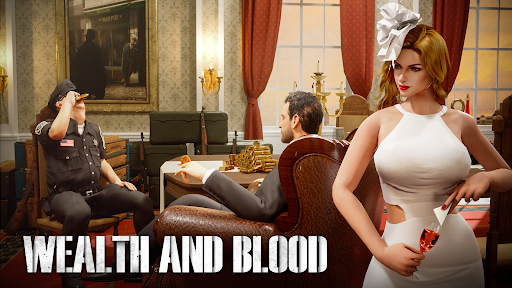
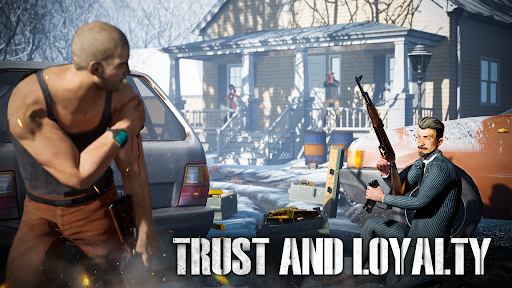
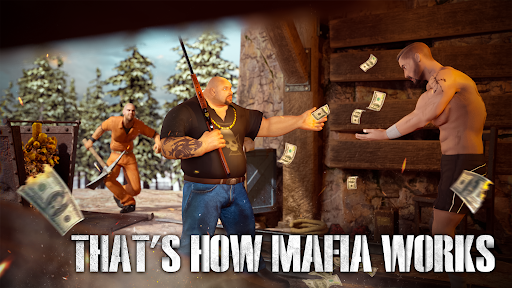
Mafia City has been around long enough that it would be easy to dismiss it as just another mobile empire-builder with a flashy criminal theme, but after spending real time with it, I came away thinking it earns its reputation more than most games in this lane. This is not an action game in gangster clothing. It is a layered, timer-driven, alliance-heavy strategy sim where the pleasure comes from stacking progress, planning upgrades, joining the right group, and learning a busy ecosystem of events and systems. If that sounds appealing, Mafia City has a lot to offer. If you want something immediate, clean, and low-commitment, it can wear you down quickly. The first thing that stands out is how much there is to do. Even early on, the game gives you that satisfying rhythm of build, invest, train, collect, and expand. There is almost always another task to queue up, another event tab to poke into, another set of rewards to claim, or another long-term objective pushing your base forward. In day-to-day play, that constant activity is the game’s biggest strength. It rarely feels empty. Logging in for a few minutes can still be productive, and longer sessions open up a deeper strategic layer around troop development, research, event timing, and alliance coordination. That sense of momentum is helped by a progression loop that generally feels rewarding, especially at the beginning and middle stretch. I never felt starved for things to work toward. The game hands out enough incentives that free play doesn’t feel pointless, and there is a genuine pleasure in watching your turf become more efficient and more intimidating over time. Mafia City also does a better job than many rivals at making routine management feel meaningful. Building choices, research priorities, troop balance, and event participation all have visible payoff. You can feel when a smarter decision saves you time or sets you up for the next push. Another thing I liked is that Mafia City understands the social side of this genre. Joining an active alliance changes the game completely. Solo, it can feel like a slow climb with lots of menus. In a good group, it becomes a living strategy game: coordinated actions matter, timers matter more, and the map suddenly has stakes. The app is at its best when you are checking in throughout the day, helping alliance members, protecting your progress, and planning around shared goals. That social energy is what gives the game its staying power. The presentation is also stronger than the game’s old reputation might suggest. The turf view is detailed, the world has a sleek, slightly exaggerated crime-drama look, and the interface usually makes your current objectives visible. It is not the kind of graphical showcase that will impress someone expecting a console-style gangster experience, but within the base-building strategy category, it looks polished enough and has personality. Voice and story beats add flavor, even if they are not the main reason to keep playing. Still, Mafia City absolutely has rough edges. The biggest one is interface overload. After the honeymoon period, the screen can start to feel crowded with event icons, offers, timers, reminders, and side systems all competing for attention. There is depth here, but there is also clutter, and the two are not always the same thing. I often found myself clicking through layers of menus just to retrace where an event started or to make sure I had not forgotten some limited-time task tucked into a corner. Veteran players may internalize that maze, but newer or returning players can feel buried by it. The second major issue is technical polish. In regular use, Mafia City is mostly stable, but not flawlessly so. There are moments where it feels a little rough around the edges: a delayed keyboard prompt when trying to chat, occasional crashing behavior, or account-linking friction that interrupts what should be a straightforward mobile experience. None of this ruined the game for me, but it is the kind of annoyance that stands out in a title built around frequent check-ins and multitasking. When a game asks for daily commitment, reliability matters. The third weakness is the pressure curve. Mafia City can be played for free and still feel enjoyable, especially if you are patient and realistic. But patience is the key word. Progress is slow, and the competitive environment can be punishing. Stronger players can erase your comfort fast if you neglect protection or fall behind on the game’s rhythms. Over time, the app starts to reveal its demanding side: not necessarily impossible without spending, but very willing to reward those who invest more time, more discipline, or more money. If you miss shields, skip event windows, or make a few inefficient choices, the gap can become very visible. There are also parts of the aesthetic that will not work for everyone. The “babes,” the exaggerated crime fantasy, and some of the character presentation feel dated and a bit tacky. That is not a dealbreaker if you are here for the strategy systems, but it does affect how comfortable the game feels in public and how broad its appeal really is. So who is Mafia City for? It is for players who enjoy long-term progression, alliance-driven strategy, and a game that rewards routine. If you like checking in multiple times a day, optimizing queues, and slowly building power in a competitive shared world, this is one of the stronger mobile games of its type. It is not for players looking for fast action, a clean minimalist interface, or a relaxed city-builder you can ignore for days without consequences. After extended play, my takeaway is simple: Mafia City is better, deeper, and more engaging than its surface impression suggests. It is also messier, more time-hungry, and more demanding than the store page lets on. For the right player, that depth becomes a daily habit. For the wrong one, it becomes homework.
Alternative apps