
Apps Games Articles
Star Trek™ Timelines
Tilting Point
Rating 4.2star icon
Editor's summary
Editor rating
star icon star icon star icon star icon empty star icon
4.1

One-line summary Star Trek™ Timelines is easy to recommend to Trek fans for its huge roster and satisfying long-term collection loop, but I'd hesitate if you dislike grind, uneven PvP, or mobile games that keep one hand in your wallet.

  • Installs

    5M+

  • Developer

    Tilting Point

  • Category

    Role Playing

  • Content Rating

    Everyone 10+

  • Latest version

    9.1.0

  • Package

    com.disruptorbeam.StarTrekTimelines

In-depth review
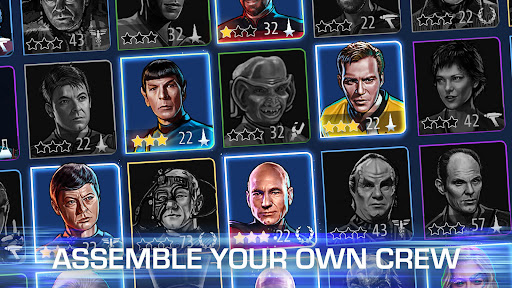
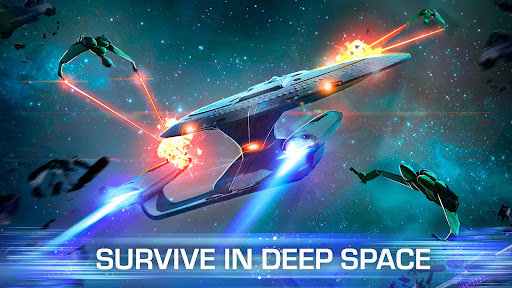
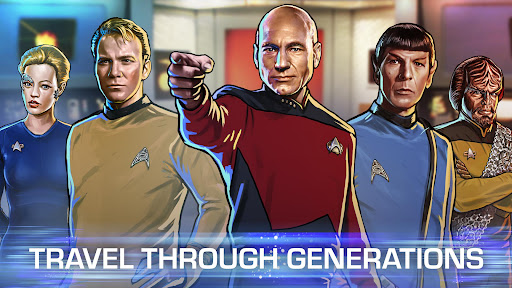
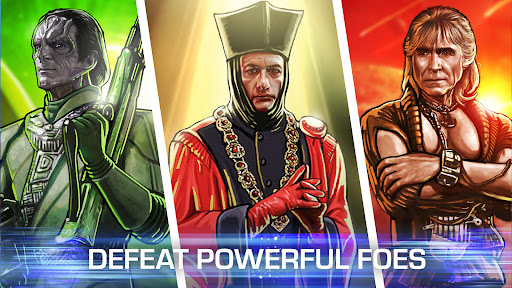
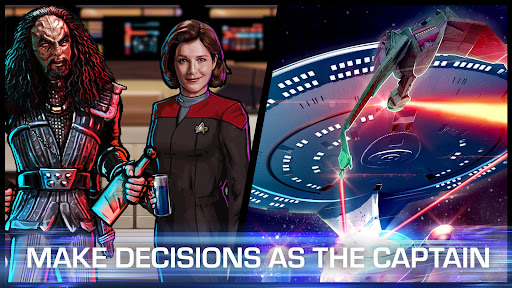
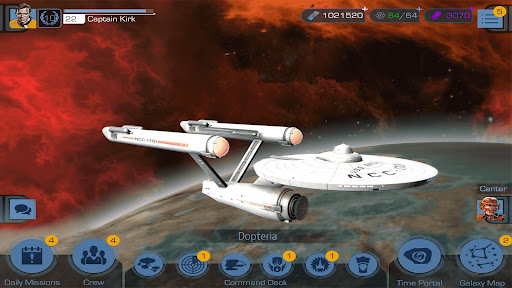
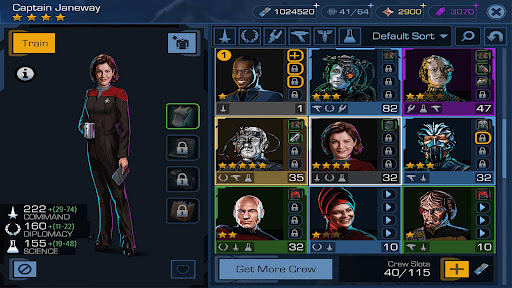
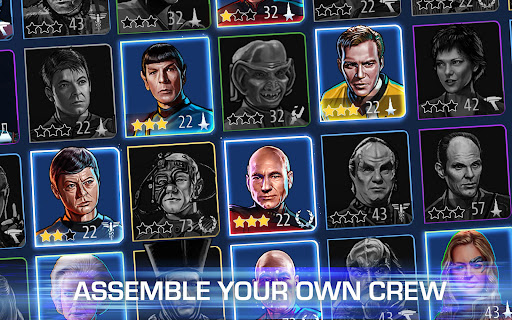
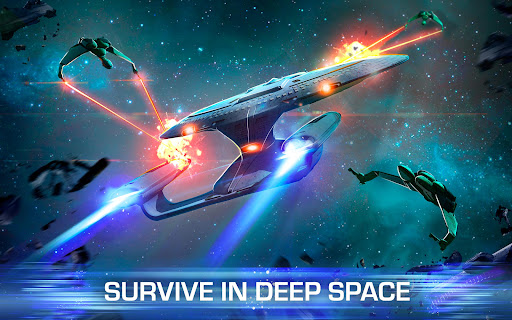
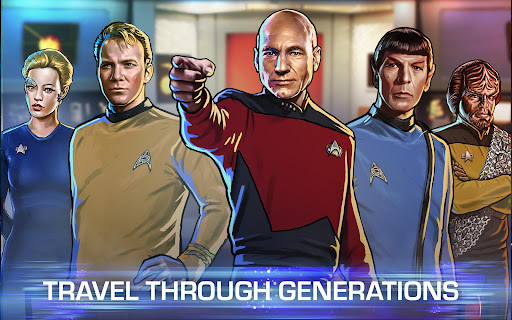
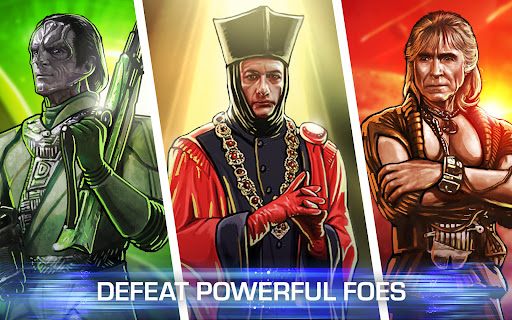
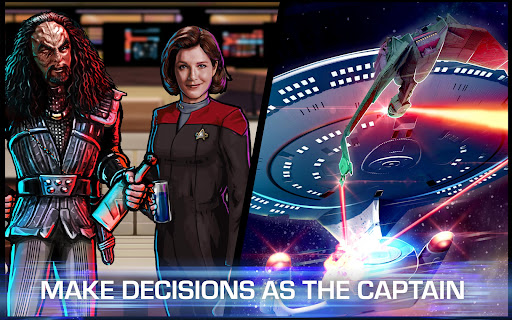
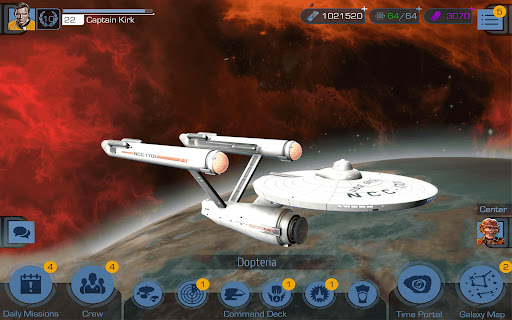
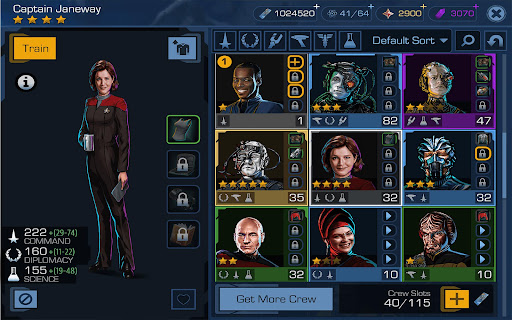
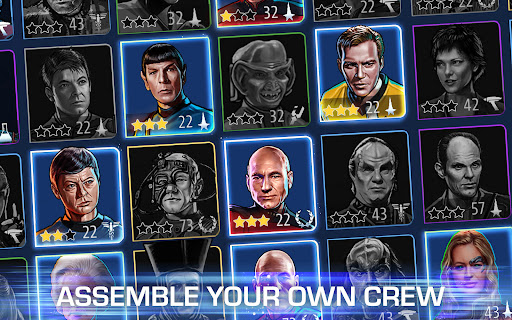
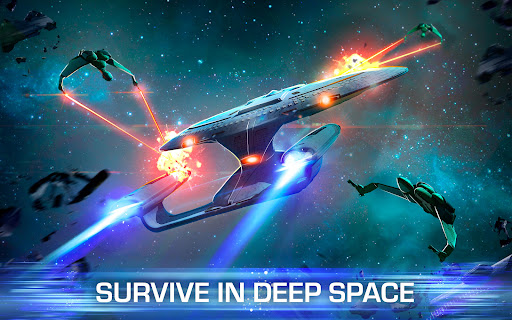
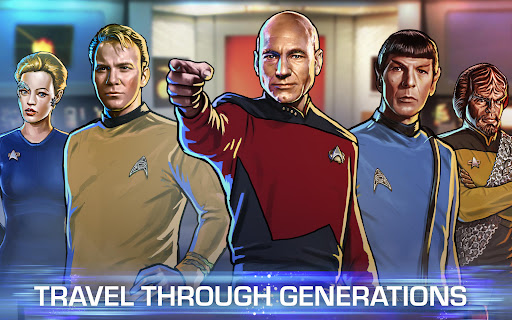
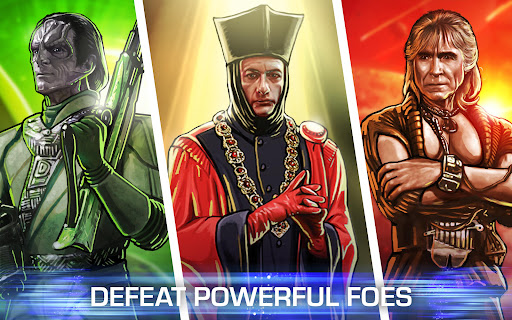
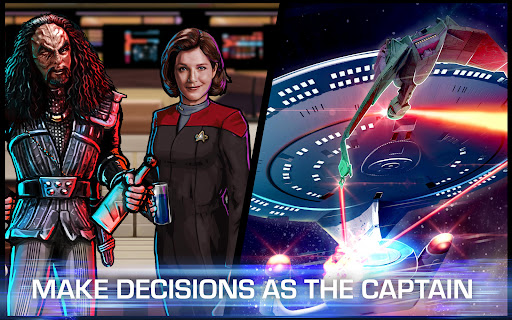
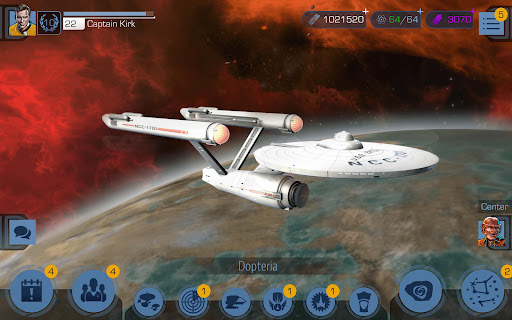
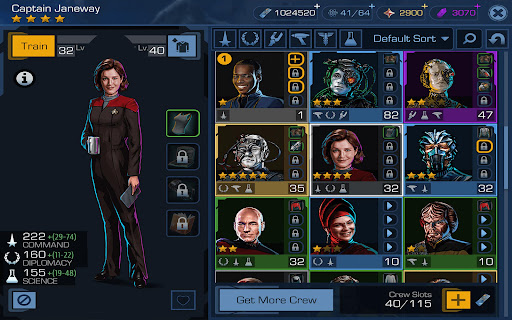
Star Trek™ Timelines is one of those licensed mobile games that immediately tells you whether it understands its audience. Within the first stretch of play, that answer is clearly yes. This is a game built for people who genuinely enjoy the Star Trek universe, not just the logo. The character pool reaches deep into multiple series, the presentation leans hard into fan recognition, and the basic appeal is obvious: collect an absurdly broad roster of heroes and villains, build crews, command ships, and slowly grow your place in a galaxy-spanning strategy/RPG loop. After spending real time with it, what stood out most is that Timelines is better as a long-haul hobby than as a quick-hit mobile distraction. It has the bones of a game you check several times a day, make a few meaningful decisions in, and then let simmer. If that cadence appeals to you, it can be very compelling. If you want nonstop action or a highly skill-driven tactical experience, the cracks show faster. The strongest thing here is the sheer weight of Star Trek fan service, and I mean that in a positive way. Building a crew never feels abstract because the characters actually matter to the fantasy. Pulling familiar faces from The Original Series, The Next Generation, Deep Space Nine, Voyager, Enterprise, Discovery, Picard, and beyond gives progression a sense of personality that many mobile RPGs simply do not have. Even when the core systems are recognizable mobile-game material, the Star Trek wrapper is doing serious work. This is not just a generic collector game wearing a Federation badge; it genuinely feels like a celebration of the franchise. The second major strength is variety. Timelines does a good job of avoiding that deadening mobile feeling where every mode blends into the next. In regular play, I found there was usually something different to do: crew management, ship-focused play, events, alliance/fleet participation, and the constant optimization puzzle of who to level, equip, or prioritize next. That gives the game some welcome texture. It is not purely linear, and it does not force you into one narrow style of play every session. There is enough going on that you can lean into the parts you enjoy most. The third strength is that it works reasonably well as a free player, at least if you bring patience. I never got the sense that the game was impossible without spending. Progress happens. Your roster grows. You can enjoy the setting and participate meaningfully without opening your wallet every five minutes. That said, patience is doing a lot of work in that sentence. Because the biggest weakness in Star Trek Timelines is the grind. Progression can be slow, and sometimes very slow. This is especially noticeable when a mode or resource timer blocks momentum just as you're getting into a groove. Long voyages, limited energy-style resources, and the general stop-start rhythm of mobile progression all create friction. For some players, that slow burn is part of the appeal; for others, it will feel like the game is constantly asking them to wait or pay. That leads directly into the second weakness: monetization pressure is never far from the surface. Timelines is playable for free, but it absolutely knows how to make spending look tempting. New characters, stronger crews, and faster advancement are always framed in ways that can make a patient player feel perpetually behind. I never found it uniquely aggressive by mobile standards, but it is definitely one of those games where spending can escalate quickly if you let collector instincts take over. The third weak point is combat, particularly ship battles and PvP. This is where Timelines feels less elegant than the rest of the package. The combat can seem inconsistent, and there are stretches where losses feel less like the result of clever counterplay and more like the numbers or matchmaking simply were not in your favor. For a game that advertises starship command as a major hook, these battles often feel less exciting than crew collection and roster building. PvP in particular never became the reason I wanted to log back in. Presentation is solid overall. The art and character representation carry a lot of charm, and the game generally feels polished enough to support long sessions. Menus can be busy, and newer players may need time to understand how all the systems connect, but once the structure clicks, the daily flow becomes manageable. I also came away with the impression of a game that has been shaped over time into something more confident than a bare-bones licensed release. So who is this for? First and foremost, Star Trek fans. If you love the franchise, enjoy collecting characters, and like games built around long-term progression, Timelines has real staying power. It also suits players who don't mind checking in throughout the day rather than sitting down for one intense session. On the other hand, it is not ideal for someone looking for deep real-time combat, highly balanced competitive play, or a fast progression curve. And if gacha-style temptation and time-gated advancement usually irritate you, this one will eventually test your patience. In the end, Star Trek™ Timelines succeeds because it understands the fantasy it is selling. It is not the cleanest strategy game, nor the most exciting PvP game, nor the most generous mobile RPG. But it is a good Star Trek game in the way that matters most: it makes collecting, commanding, and inhabiting this universe feel enjoyable over the long term. For the right player, that is more than enough to keep coming back.