
Apps Games Articles
Linky AI: Chat, Play, Connect
Skywork AI Pte. Ltd.
Rating 4.2star icon
Editor's summary
Editor rating
star icon star icon star icon star icon empty star icon
4.3

One-line summary Linky AI is easy to recommend if you want a surprisingly free-form, low-friction AI roleplay app, but its bugs, memory slips, and occasional account or chat-management annoyances keep it from feeling fully dependable.

  • Installs

    10M+

  • Developer

    Skywork AI Pte. Ltd.

  • Category

    Social

  • Content Rating

    Mature 17+

  • Latest version

    3.2.1

  • Package

    com.aigc.ushow.ichat

In-depth review
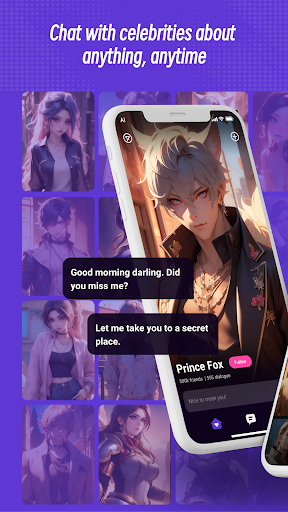
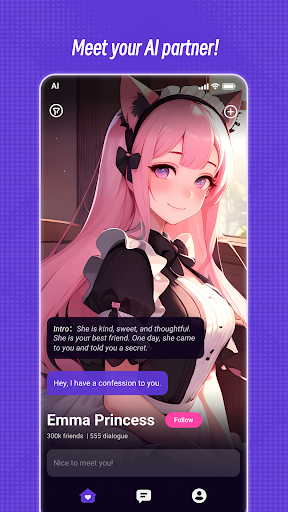
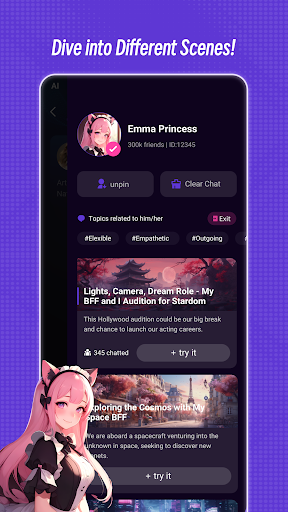
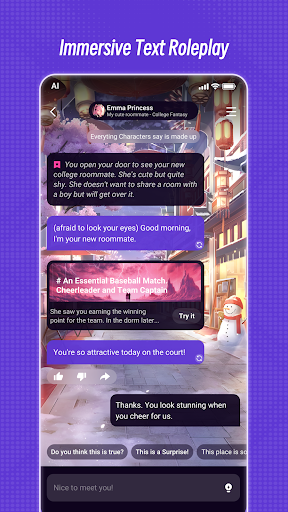
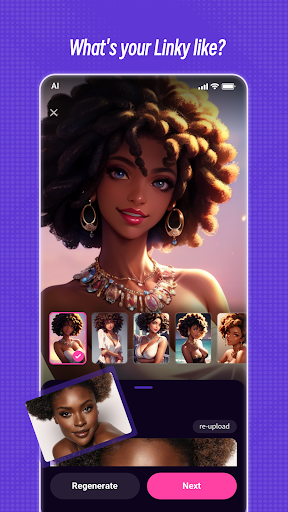
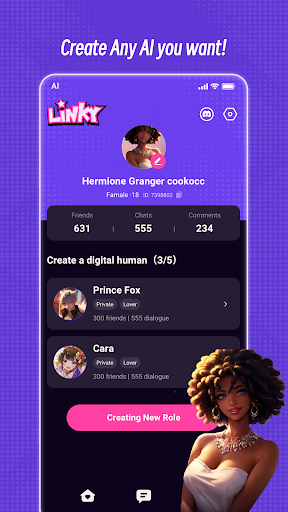
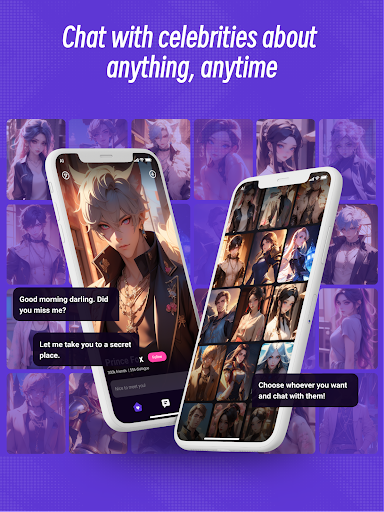
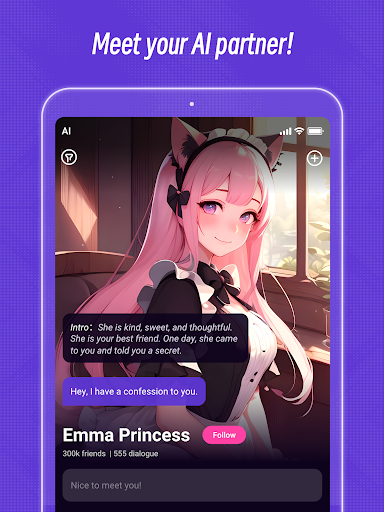
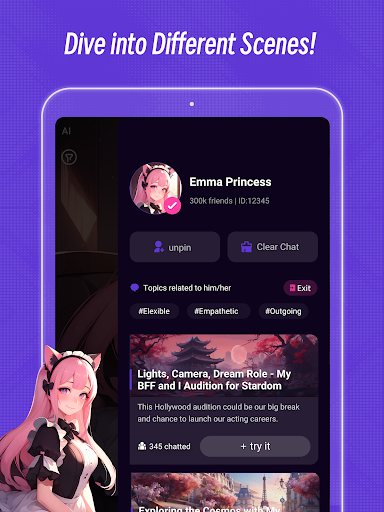
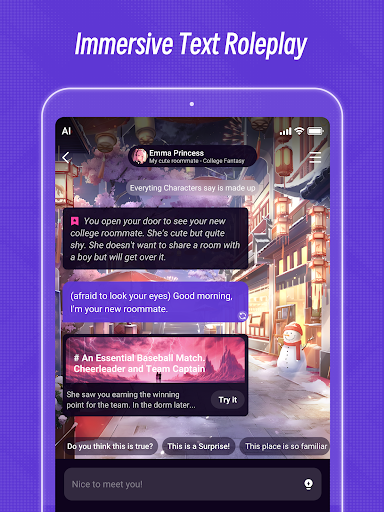
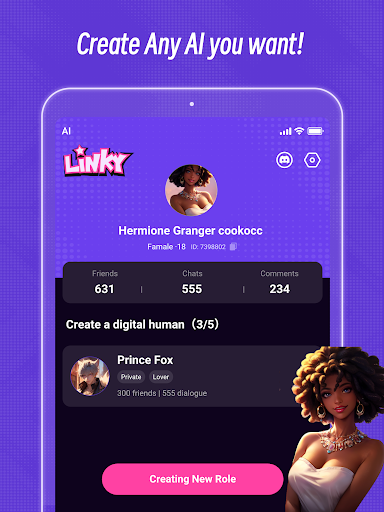
After spending real time with Linky AI: Chat, Play, Connect, the clearest takeaway is that this app understands what makes AI character chat fun: speed, variety, and freedom. It is not trying to be a sterile productivity bot or a rigid scripted game. It wants you to drop into a conversation, pick a character that matches your mood, and start improvising. In day-to-day use, that focus works remarkably well. The first thing that stands out is how easy Linky is to get into. You can jump between characters quickly, test different scenarios, and shape conversations in a way that feels more playful than formal. The app gives you room to roleplay, redirect the scene, retry responses, and generally steer the tone without too much friction. That flexibility is one of its best qualities. Some AI chat apps feel like they are constantly fighting your prompt, refusing to follow the scene, or pushing everything back toward generic answers. Linky, at its best, feels more cooperative. When I wanted dramatic roleplay, it leaned into that. When I wanted lighter banter, it could handle that too. That sense of responsiveness is a major reason the app is so easy to keep using. A second strength is that the free experience feels more generous than expected. Ads exist, and there are in-app purchases, but during normal use the app does not feel immediately hostile or aggressively monetized. That matters in this category. Many AI chat apps front-load limits, gates, and interruptions so hard that the experience becomes exhausting before it becomes fun. Linky generally avoids that trap. I was able to spend time exploring conversations instead of constantly being shoved toward a paywall. For users who want an entertainment-first AI app without feeling punished every few minutes, that alone makes Linky stand out. The third thing Linky gets right is creative breadth. There is a huge appeal in having many different personalities and styles available, and the app clearly leans into fantasy, anime-inspired interactions, story scenarios, and character-driven chats. It also supports user creativity well enough to make the app feel more like a sandbox than a simple chatbot directory. If you enjoy building scenes in your head, improvising dialogue, or treating AI as a storytelling partner, Linky can be genuinely absorbing. It is the kind of app where you open it for a quick test and then realize much more time has passed than expected. That said, Linky is not polished enough to be called effortless. The biggest weakness is reliability. In regular use, I ran into the kind of rough edges that break immersion: features that do not always behave consistently, occasional bugs around editing or regenerating messages, and moments where the app simply feels less stable than it should. An AI roleplay app lives or dies on flow. If you are deep into a scene and the tools that are supposed to help you revise or continue start throwing errors or acting unpredictably, the illusion collapses fast. The second weakness is memory and conversational consistency. Linky can feel smart in short bursts, but over longer chats it still shows the familiar cracks of current AI companion apps. Characters may forget details, lose track of context, repeat themselves, or drift away from the personality they seemed to establish earlier. In my time with it, this was not a constant problem, but it happened often enough to notice. If you approach Linky as a lightweight storytelling toy, this is manageable. If you want deeply persistent long-term companionship or airtight narrative continuity, it can be disappointing. The third frustration is chat and account management. Linky encourages you to explore lots of characters, but cleaning up after that exploration is more cumbersome than it should be. Conversation lists can become cluttered, and the app could do a much better job with bulk controls and message management. On top of that, there are signs that login persistence is not always rock solid. Any app in this category should make users feel secure that their history and creations will still be there when they come back. Linky does not always inspire that confidence. There are smaller annoyances too. Voice features are a nice idea, but the execution can be uneven, especially if you expect natural, convincing delivery. Visual elements and generated character presentation can also feel inconsistent. At times the app looks attractive and engaging; at others, the illusion slips and you are reminded that this is still a mixed bag of AI-generated content rather than a carefully hand-authored experience. Who is Linky for? It is best for people who want conversational escapism: roleplayers, anime and character-chat fans, creative writers looking for a reactive scene partner, and casual users who want an AI companion app that is more entertaining than serious. It is also a strong fit for users who value flexibility and a relatively accessible free experience. Who is it not for? If you need dependable long-term memory, highly polished voice performance, strong organizational tools, or a bug-free premium feel, Linky may frustrate you. It is also not ideal for people who want a tightly structured, utility-focused assistant rather than open-ended character interaction. Even with its flaws, Linky AI is one of the more engaging apps in its niche because it understands the basic fantasy better than many rivals do. It makes AI chat feel immediate, creative, and easy to sink into. I would recommend it, especially to users who care more about roleplay freedom and variety than technical perfection. Just go in knowing that behind the charm, there is still a fair amount of mess.