
Apps Games Articles
Depop - Buy & Sell Clothes App
Depop
Rating 4.7star icon
Editor's summary
Editor rating
star icon star icon star icon star icon
half star icon
4.5

One-line summary Depop is one of the most enjoyable apps for discovering and selling secondhand fashion, but its occasional clutter, scam risk, and a few frustrating marketplace limitations keep it from being an automatic recommendation for everyone.

  • Installs

    10M+

  • Developer

    Depop

  • Category

    Shopping

  • Content Rating

    Teen

  • Latest version

    2.353

  • Package

    com.depop

Screenshots
In-depth review
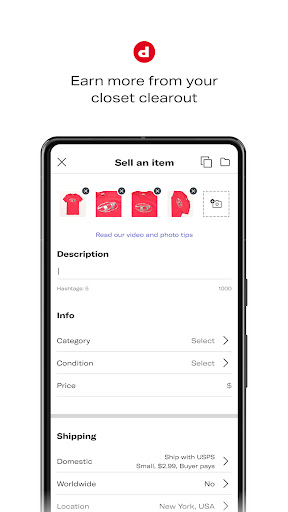
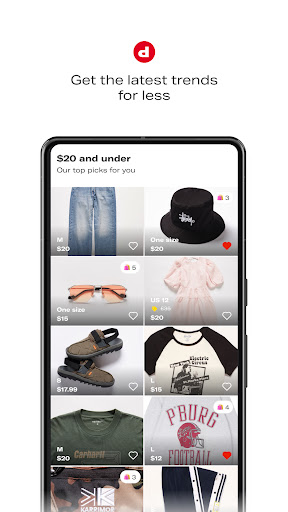
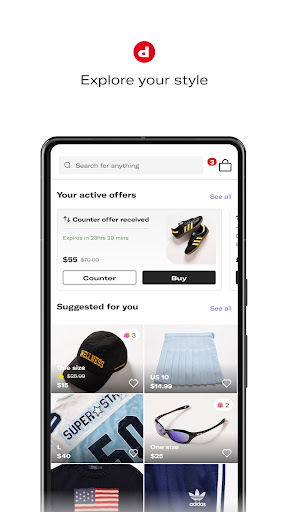
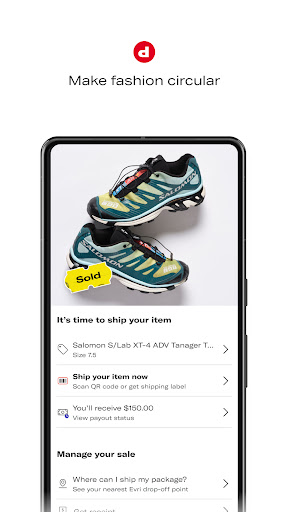
Depop feels less like a plain shopping app and more like a fashion marketplace with a personality. After spending real time with it as both a browser and a buyer-focused tester, what stood out immediately was how well it understands the thrill of finding something specific, weird, vintage, or just unexpectedly perfect. If your idea of shopping is scrolling through racks at a thrift store hoping to strike gold, Depop translates that feeling to mobile better than most apps in its category. The first thing I liked is that the app is genuinely easy to get into. Listing items, browsing, liking products, following sellers, and messaging all feel built around speed. You do not need to fight the interface to understand what the app wants you to do. That matters because resale apps can quickly become tedious if every step feels like admin work. Here, the core loop is simple: find something interesting, save it, message if needed, buy if the price is right, or list your own item with a few taps and photos. For sellers especially, that low-friction flow is one of Depop’s best qualities. The second strength is discovery. Depop is at its best when you are not shopping for a generic white T-shirt but for a certain look, era, vibe, or niche item. The app does a strong job surfacing items that feel stylistically connected, and after some use, the feed starts becoming more relevant. I found it much more compelling as a place to browse than many sterile marketplace apps. It has that dangerous quality of making “I’m just checking for five minutes” turn into twenty. If you like vintage clothing, thrifted finds, one-off pieces, or fashion that feels less mass-produced, Depop makes browsing genuinely fun. The third major positive is that the app usually feels polished in the areas that matter most. Product pages are visual, seller activity adds useful context, and messaging is right where you expect it to be. Support and buyer protection also contribute to a stronger sense of trust than you might expect from a peer-to-peer fashion marketplace. I would not call it foolproof, but I rarely felt like I was navigating a total free-for-all. That balance between social shopping and structured marketplace is one of the reasons Depop works. That said, using Depop regularly also exposes some rough edges. The biggest issue is that trust still depends heavily on the individual seller. Depop gives you tools to evaluate listings and sellers, but it cannot completely remove the basic risk that comes with buying from strangers. In practice, that means you still need to pay attention to listing quality, responsiveness, shipping behavior, and anything that feels off. During testing, that lingering “double-check before buying” mindset never really goes away. This is not unusual for a resale platform, but it does mean Depop is best for shoppers who are comfortable using common sense rather than expecting a fully curated retail experience. The second weakness is organization. The app is excellent at helping you discover items, but not always as strong at helping you manage everything you have discovered. Once you start liking lots of products, the saved-item experience can get messy. It becomes harder than it should be to clean things up, revisit older finds, or use your likes as a neat reference library. For an app that encourages constant browsing, this matters more than it sounds. I often wished for better tools to sort, remove, and generally control the chaos that builds up with heavy use. The third frustration is that some marketplace flows still feel underdeveloped. Cart behavior can become awkward when you are juggling multiple finds, and there are moments where you can see the gap between a stylish, community-driven fashion app and a fully mature ecommerce system. Depop excels at inspiration and casual resale, but there are practical shopping and selling situations where it could be smoother. The new AI-assisted listing tools may help speed things up for sellers, but they also raise the risk of generic, less personal listings if not used carefully. In an app where style and specificity matter, automation should not come at the expense of clarity. Who is Depop for? It is for fashion-conscious shoppers who enjoy the hunt, sellers cleaning out their closet, and people who want secondhand clothing to feel curated rather than bargain-bin random. It is especially good for users who like vintage, trend-led, or individualistic style and do not mind interacting directly with sellers. It is also a solid choice for casual sellers because listing feels approachable instead of intimidating. Who is it not for? If you want the predictability of traditional online retail, instant fulfillment, rigidly standardized listings, or zero need to vet sellers, Depop will probably test your patience. It is also not ideal for people who hate marketplace messaging, negotiating, or browsing through a lot of visual options to find the right item. Overall, Depop succeeds because it makes secondhand fashion feel alive. It is easy to use, strong at discovery, and rewarding when you find exactly the piece you have been hunting for. Its flaws are real: organization could be better, trust still requires vigilance, and a few parts of the shopping flow need refinement. But as a mobile app for buying and selling clothes with actual style, it is one of the more compelling experiences in the category. I would recommend it to anyone who sees shopping as part treasure hunt, part self-expression, and who is willing to put in a little attention to get the best out of it.
Alternative apps