
Apps Games Articles
StarMaker: Sing Karaoke Songs
Skyline Interactive Inc
Rating 4.3star icon
Editor's summary
Editor rating
star icon star icon star icon star icon empty star icon
4.2

One-line summary StarMaker is easy to recommend if you want a lively, social karaoke app with a huge audience, but it’s harder to love if you just want a clean, low-friction singing experience without constant noise around the edges.

  • Installs

    500M+

  • Developer

    Skyline Interactive Inc

  • Category

    Audio

  • Content Rating

    Teen

  • Latest version

    8.84.2

  • Package

    com.starmakerinteractive.starmaker

Screenshots

In-depth review
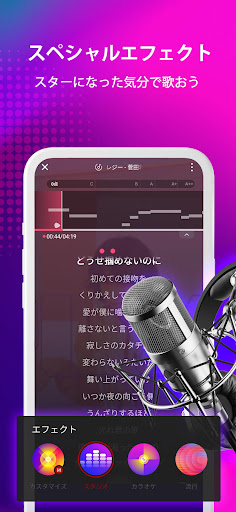
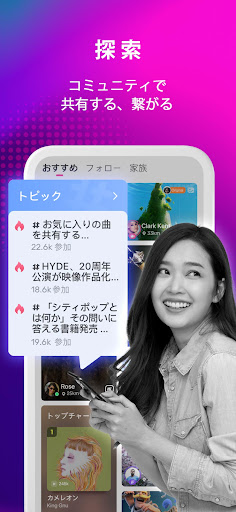
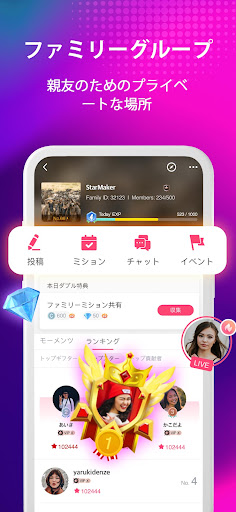
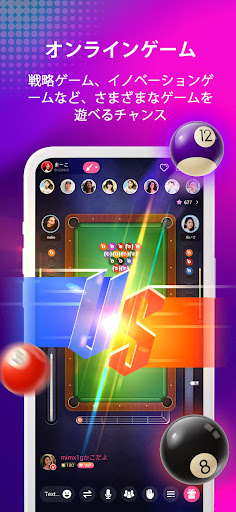
StarMaker feels less like a simple karaoke tool and more like a full singing community that happens to live inside an app. After spending time with it, that distinction matters. If you open it expecting a quiet, straightforward place to load up a song and sing, the app can feel busy very quickly. But if you open it wanting the energy of a social music platform, StarMaker starts to make a lot of sense. The first thing that stands out is scale. An app with this level of popularity usually gives off one of two vibes: either it feels empty despite the big numbers, or it feels genuinely active. StarMaker lands in the second camp. Even without digging too deeply, it gives the impression that there is always something happening. That sense of activity gives the app a lot of momentum. When you record, browse, or simply poke around, it rarely feels like you are using a neglected karaoke product. It feels populated, alive, and built around participation. That social energy is one of the app’s biggest strengths. Singing apps can be awkward when they feel like you are performing into a void. StarMaker avoids that better than most. The app constantly nudges you toward interaction, discovery, and performance. For people who enjoy sharing songs, finding other singers, and getting that little burst of validation that comes from being heard, this is exactly the kind of environment that keeps the app fun past the first few sessions. It turns karaoke into more of a habit than a novelty. The second strength is accessibility. StarMaker is easy to understand at a basic level. You do not need to be a trained singer, you do not need special equipment, and you do not need to approach it with a serious mindset. You can just pick a song and start. That low barrier to entry is a huge part of the app’s appeal. The best karaoke apps make you feel comfortable being a little silly, a little brave, or a little off-key, and StarMaker generally gets that right. It is welcoming in the way a mass-market entertainment app should be. The third strength is polish in the core idea. While the app can be visually crowded, the central loop of choosing music and recording a performance feels familiar and approachable. It understands what people are here to do. There is enough structure to guide you, but not so much that the app feels intimidating. When everything clicks, it can be genuinely enjoyable to spend time inside, especially if you like music as a social activity rather than just private listening. That said, StarMaker is not the kind of app I would call calm. Its biggest weakness is how busy it feels. There is a lot going on, and not all of it serves the act of singing. The interface can come across as cluttered, with attention being pulled in multiple directions. Instead of feeling like a focused karaoke room, it sometimes feels like a crowded entertainment feed wrapped around karaoke features. For some users, that energy is part of the appeal. For others, it is exactly what makes the app exhausting. The second weakness is friction around simplicity. If your ideal karaoke app is one where you open it, find a song instantly, sing, and leave, StarMaker can feel more complicated than necessary. There is a sense that the app wants you to engage with the wider ecosystem, not just use the singing function and move on. That is great for social users and less great for people who want something lightweight and task-oriented. During casual use, I often found myself wishing for a cleaner path from launch to performance. The third weakness is that the app’s personality can overpower its utility. StarMaker is designed to be engaging, but there is a fine line between engaging and overwhelming. In longer sessions, the app can start to feel noisy, and the more you value concentration, the more noticeable that becomes. Karaoke works best when users feel relaxed enough to sing without self-consciousness. StarMaker sometimes helps create that mood, but sometimes it interrupts it with too much surrounding activity. Who is this app for? It is for people who want karaoke as entertainment first and recording tool second. If you enjoy sharing performances, exploring a lively music-driven community, and treating singing as a social pastime, StarMaker is very easy to recommend. It is also a good fit for casual singers who want something approachable rather than technical. You do not need to be especially skilled to have fun here. Who is it not for? It is not ideal for users who want a minimalist interface, a distraction-free singing workflow, or a purely private karaoke experience. If you are the type who gets annoyed by busy apps, or you mainly want a clean vocal practice tool without the surrounding social layer, StarMaker may wear out its welcome faster than its rating suggests. Overall, I came away thinking that StarMaker earns its popularity honestly. It is fun, lively, and clearly built to keep people participating. More importantly, it understands that karaoke on a phone is not just about hitting notes; it is about confidence, performance, and connection. At the same time, it asks you to accept a lot of noise in exchange for that energy. If that trade-off sounds fair, StarMaker is one of the stronger choices in its category. If not, you may admire its reach more than you enjoy using it.