Apps Games Articles
Township
Playrix
Rating 4.7star icon
Editor's summary
Editor rating
star icon star icon star icon star icon
half star icon
4.5

One-line summary Township is one of the most polished and genuinely relaxing city-builders on mobile, but its long timers, slow premium-currency drip, and increasingly pushy puzzle friction can wear down anyone who hates being made to wait.

  • Installs

    100M+

  • Developer

    Playrix

  • Category

    Casual

  • Content Rating

    Everyone

  • Latest version

    34.0.1

  • Package

    com.playrix.township

In-depth review
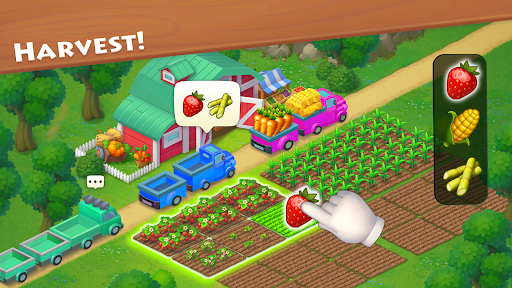
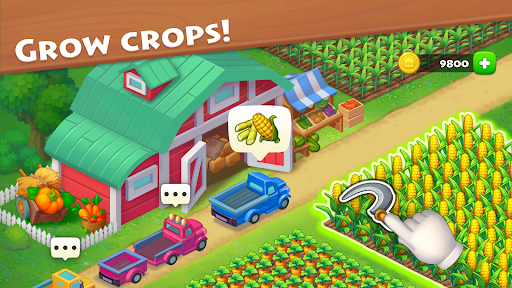
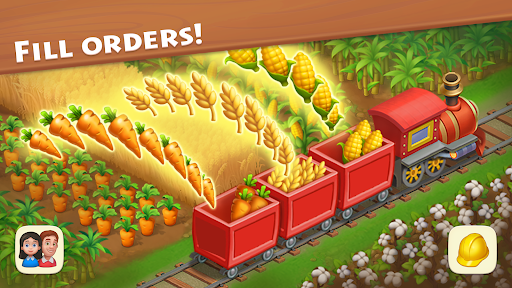
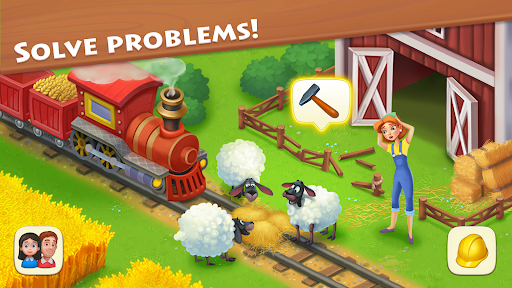
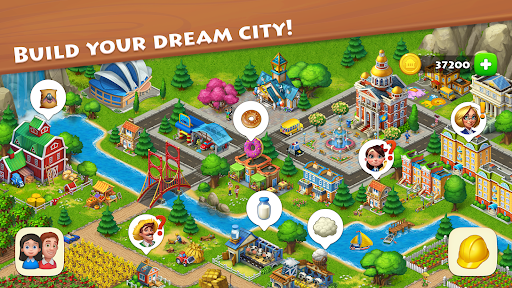
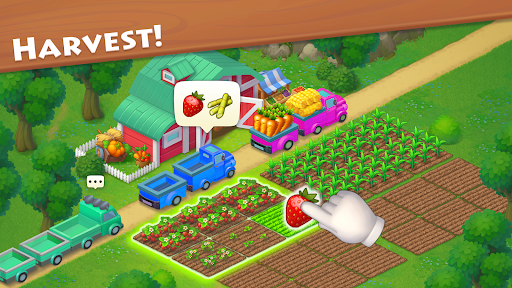
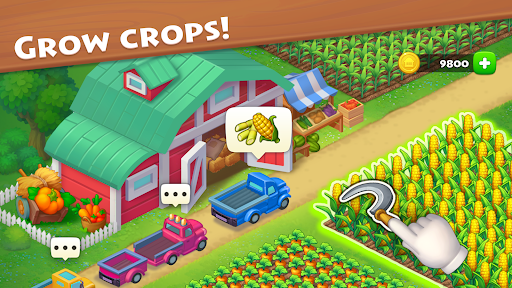
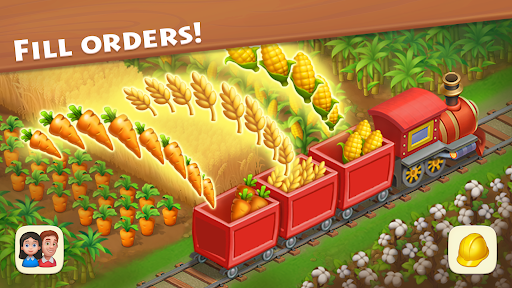
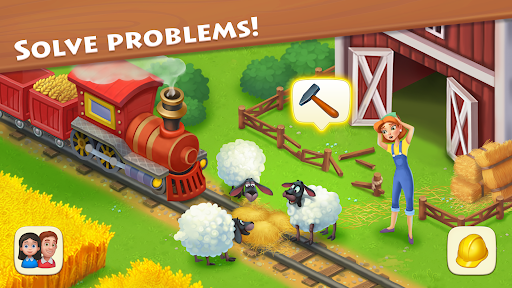
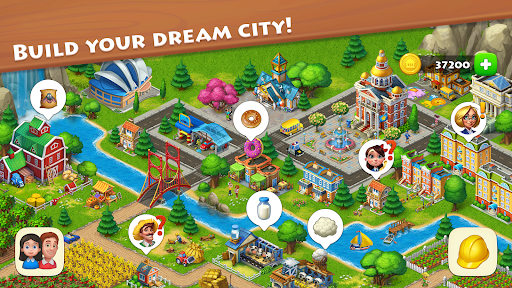
After spending real time with Township, what stands out most is how confidently it mixes several familiar mobile game loops into something that feels surprisingly cohesive. At its core, this is a town-building and farming game: you plant crops, feed factories, fill orders, expand land, and slowly turn a tiny settlement into a busy little machine. That part is satisfying on its own. But Township keeps layering in side activities—trains, planes, mining, events, social co-ops, and match-3 stages—so there is usually more than one thing to do whenever you open the app. That variety is the game’s biggest strength. Many mobile builders start strong and quickly become a routine of tapping a few buildings and logging out. Township does flirt with that pattern, but it avoids pure monotony better than most. In one session, I could harvest crops, queue products in factories, send off a helicopter order, check incoming train materials, and then jump into a puzzle segment for extra rewards. Even when one system was waiting on a timer, another usually gave me something useful to manage. That makes the town feel active rather than decorative. The second major strength is presentation. Township is bright, expressive, and easy to read at a glance. Buildings have personality, the town has charm, and the overall visual design lands in a sweet spot between cute and functional. This matters more than it sounds, because games like this live or die by whether you enjoy looking at your town dozens or hundreds of times. Here, I did. Rearranging roads, placing buildings, and watching the town grow has a pleasant toy-box appeal. The animation and general responsiveness also help sell the fantasy that you are nurturing a place rather than managing a spreadsheet. Another thing Township gets right is its ad experience—or rather, the lack of constant irritation from ads. There is a huge difference between a free-to-play game that tries to entertain you and one that treats every spare second as an ad break. Township feels much closer to the former. The monetization is present, obviously, and premium currency matters, but the app is far less obnoxious than a lot of mobile peers that bombard you with interruptions. That alone makes it easier to recommend. Still, Township is not a carefree sandbox, and the longer I played, the more its patience-testing design came into focus. The most obvious problem is waiting. Production times can feel excessive, building progress can drag, and key expansion materials do not always arrive at a pace that feels rewarding. Early on, this is manageable because everything is new and unlocking quickly. Later, the pace slows enough that momentum starts to depend on whether you are the kind of player who enjoys planning around long timers. If not, Township can begin to feel less like a pleasant routine and more like a game gently holding your progress hostage. That ties into the second weakness: the economy often feels tighter than it needs to be. Coins are one thing, but premium cash is much harder to come by, and that matters because it is tied to speeding things up and smoothing over the roughest delays. I never felt hard-forced to spend, which is important, but I did regularly feel nudged toward spending. There is a difference, and Township knows exactly where that line is. If you are patient and organized, you can progress without opening your wallet. If you are the kind of player who wants a constant sense of forward motion, the friction becomes much more noticeable. The third issue is the match-3 side of the experience. In principle, I like that Township offers another way to earn rewards and break up the builder loop. In practice, those puzzle sections can be uneven. Sometimes they are a fun diversion; sometimes they feel like a progression tool with difficulty spikes designed to make boosters look more appealing. Since the rest of Township has a relaxed, constructive rhythm, these tougher puzzle moments can feel tonally off. They are not enough to ruin the game, but they do interrupt the otherwise cozy flow. What kept me playing despite those frustrations is that Township understands the appeal of accumulation and improvement. Small upgrades matter. New factories matter. Unlocking transport systems matters. Expanding a cramped town by one more strip of land feels good. Joining the social side also adds a bit of warmth without overwhelming the solo experience. You can engage with others for gifts and co-op benefits, but the core of the game still works as a personal town-management habit. Who is this for? Township is a very good fit for players who like gentle routine games, optimization, collection, and the pleasure of slowly building something attractive over time. If you enjoy checking in throughout the day, planning production, and watching a town steadily become more complex, this is an easy recommendation. It is also a strong pick for people who want a free mobile game that feels polished and doesn’t constantly hit them with intrusive ads. Who is it not for? If long timers irritate you, if you dislike progression that slows dramatically over time, or if you have no patience for occasional free-to-play pressure around premium currency and boosters, Township may lose you once the honeymoon phase ends. Likewise, if you are downloading it mainly for match-3 play, the town-building side is the real center of gravity. In the end, Township remains one of the stronger casual builders on mobile because it is polished, charming, and busy in the right ways. It gives you a town worth caring about and enough systems to keep that town feeling alive. But it also asks for patience—sometimes more than it earns. If you can accept the wait walls, there is a lot to like here.