
Apps Games Articles
mySugr - Diabetes Tracker Log
mySugr GmbH
Rating 4.4star icon
Editor's summary
Editor rating
star icon star icon star icon star icon
half star icon
4.5

One-line summary mySugr is one of the most approachable diabetes logbooks on Android, combining excellent daily tracking and device syncing with a playful design, though its best features still sit behind device compatibility and PRO limits.

  • Installs

    1M+

  • Developer

    mySugr GmbH

  • Category

    Medical

  • Content Rating

    Everyone

  • Latest version

    3.92.33

  • Package

    com.mysugr.android.companion

Screenshots

In-depth review
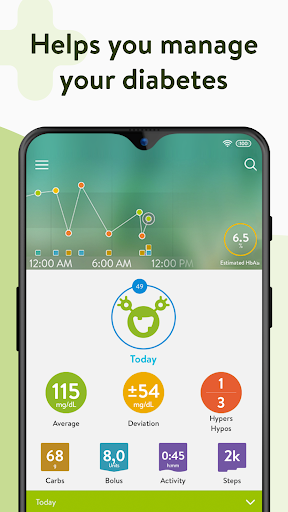
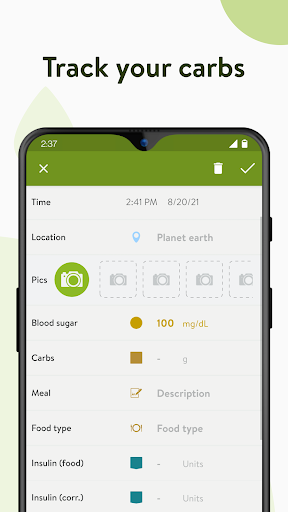
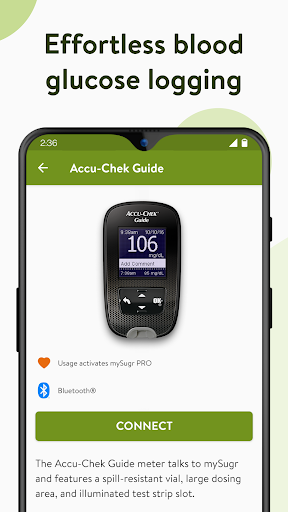
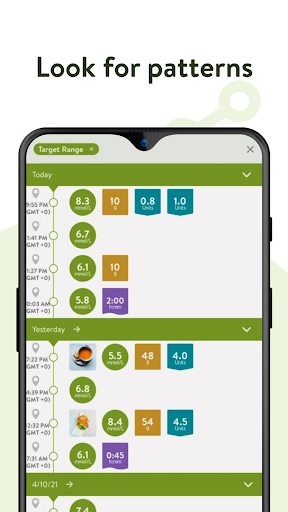
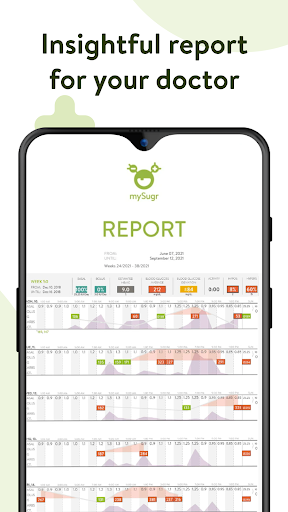
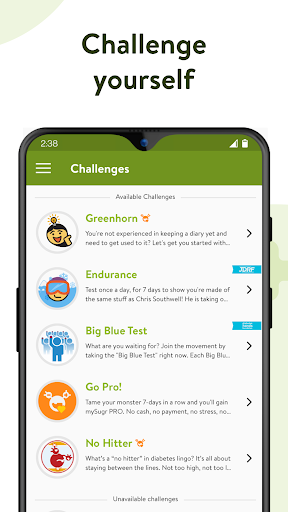
After spending real time with mySugr as a daily diabetes companion, the biggest takeaway is simple: this app understands that tracking health data is hard enough without making the software feel clinical, cold, or exhausting. A lot of medical apps are technically capable but emotionally draining. mySugr goes in the opposite direction. It turns logging into something that feels lighter, faster, and surprisingly human. That tone starts the moment you begin using it. The interface is cleaner and friendlier than most apps in this category, and the app does a very good job of surfacing the information you actually care about every day: blood glucose readings, meals, carbs, medication, insulin, activity, and trends. Instead of burying everything in spreadsheets and medical jargon, mySugr presents your data in a way that feels immediate and readable. At a glance, you can tell whether your numbers are where you want them to be, and that matters when you are checking this app multiple times a day. What impressed me most in daily use was how well mySugr balances structure with flexibility. If you want to use it as a straightforward glucose logbook, it works. If you want a more complete daily record with food, notes, medication, exercise, and other health context, it can handle that too. That makes it useful for people who are newly trying to get organized as well as for those who already have a routine and want one place to keep everything. I especially liked how easy it was to attach context to entries. A glucose number on its own only tells part of the story; being able to connect it to meals, activity, or a note makes the log much more useful later. The second major strength is that the app genuinely encourages consistency. This is not a small thing. Logging diabetes data can become repetitive very quickly, and mySugr’s personality helps more than I expected. The little visual flourishes and less sterile presentation make it easier to come back to the app without feeling like you are opening a medical form every time. It is one of the few health apps that seems designed not just to store information, but to reduce resistance to the act of tracking it. The third clear strength is the reporting and trend-viewing side. The graphs are easy to understand, and the app makes your patterns legible without drowning you in complexity. For everyday management, that means you can spot rough patches and better days quickly. For appointments, the reporting tools are even more valuable. Having a shareable summary is far better than trying to reconstruct weeks of readings from memory or scattered notes. That said, mySugr is not perfect, and some of its weaknesses become obvious the longer you use it. The first frustration is that the best version of the app depends a lot on what hardware you use and whether you have access to PRO features. Device syncing is one of mySugr’s biggest selling points, and when it works well, it really reduces friction. Automatic logging is exactly the kind of convenience this category needs. But the experience can feel uneven if your preferred meter or setup is not part of that ecosystem. In practice, that means some people will get a seamless, almost invisible workflow, while others will still be doing more manual entry than they want. The second weakness is that parts of the interface, while generally polished, are not always as spacious as they should be. During longer logging sessions, especially when adding notes or detailed context, some input areas feel a little cramped. It never became a deal-breaker for me, but it did make the app feel slightly more constrained than its otherwise friendly design suggests. The third issue is that mySugr can occasionally feel split between beginner-friendly simplicity and more advanced diabetes management. That is a difficult balance for any app to strike, and mySugr mostly succeeds, but there are moments when features such as calculators, integrations, and therapy-related tools feel dependent on region, device support, or subscription status in ways that may frustrate users who expect everything to be available from the start. The app is welcoming, but not every promising feature is universally accessible. Who is this app for? It is an excellent fit for people with Type 1, Type 2, or gestational diabetes who want a central, easy-to-read logbook and who value habit-building as much as raw data capture. It is especially good for anyone overwhelmed by fragmented notes, inconsistent routines, or apps that feel too clinical. It is also a strong option for users who already have compatible devices and want to cut down on manual logging. Who is it not for? If you want a completely open-ended diabetes platform with every advanced feature available to everyone regardless of country, hardware, or subscription tier, this may not be the ideal match. It is also less compelling if your meter or insurance setup pushes you into another device ecosystem that does not play nicely here. Overall, mySugr is one of the best-designed diabetes trackers on Android because it treats adherence as a design problem, not just a medical one. It makes logging easier, trends clearer, and the daily grind of diabetes management a little less oppressive. It does not eliminate the usual limitations around compatibility and premium features, but in day-to-day use, it feels smart, compassionate, and genuinely helpful. For most people looking for a diabetes logbook they will actually keep using, that is a strong recommendation.