
Apps Games Articles
Tile Club - Match Puzzle Game
GamoVation
Rating 4.9star icon
Editor's summary
Editor rating
star icon star icon star icon star icon
half star icon
4.5

One-line summary Tile Club is an easy app to recommend if you want a genuinely relaxing, polished match game with long-term depth, but the constant ads and a few progress/performance annoyances keep it from feeling flawless.

  • Installs

    100M+

  • Developer

    GamoVation

  • Category

    Puzzle

  • Content Rating

    Everyone

  • Latest version

    3.3.2

  • Package

    com.gamovation.tileclub

In-depth review
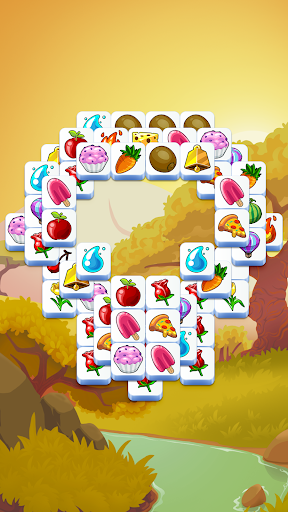
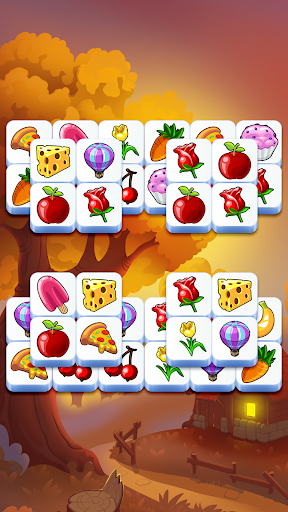
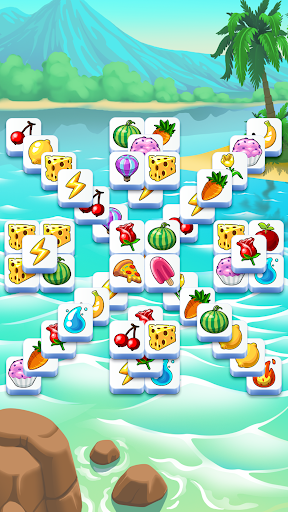
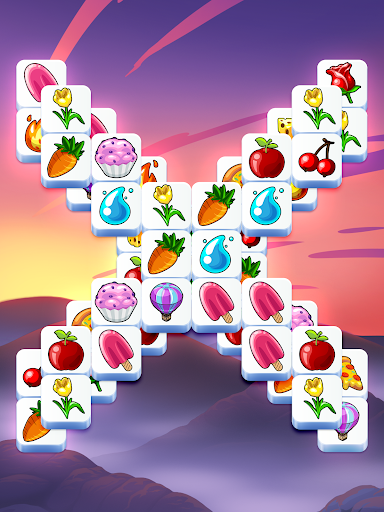
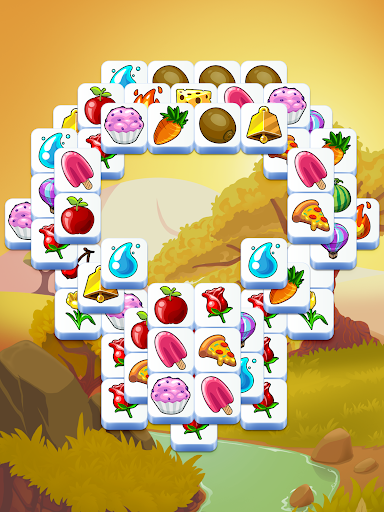
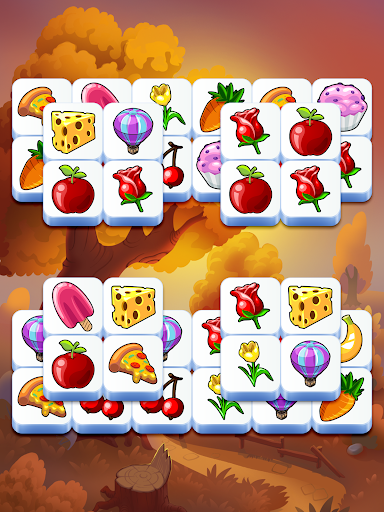
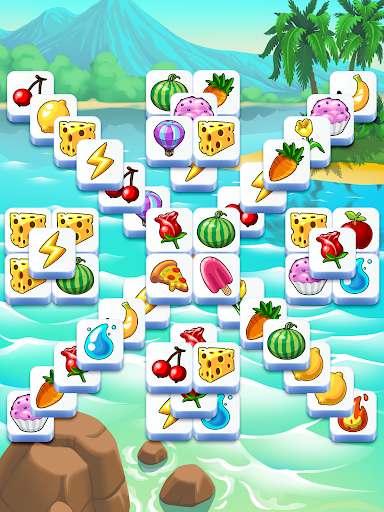
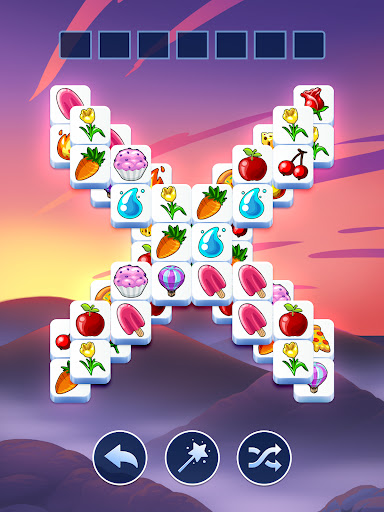
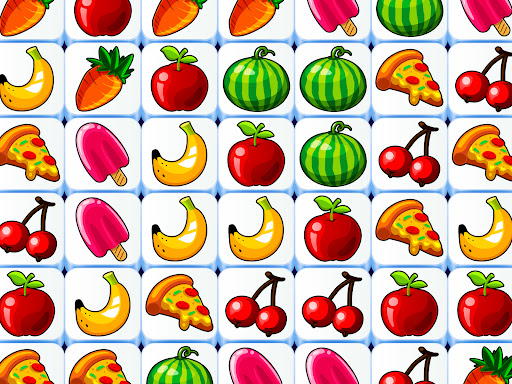
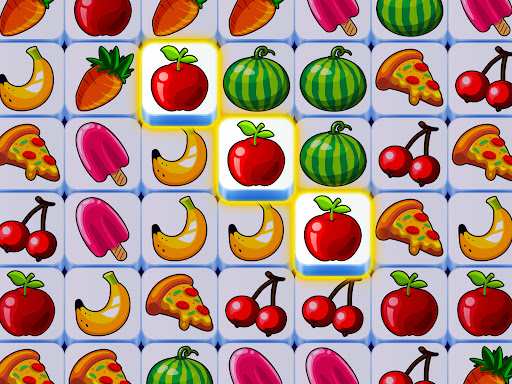
Tile Club - Match Puzzle Game knows exactly what kind of mobile game it wants to be: a calming, easy-to-read tile matcher that can fill two spare minutes or quietly consume an entire evening. After spending real time with it, what stands out most is not novelty but consistency. This is a very familiar match-3 tile formula, yet it is presented with enough polish, momentum, and progression hooks that it rarely feels stale in short sessions. If you enjoy puzzle games that let you settle into a rhythm rather than pressure you with timers and chaos, Tile Club makes a very strong first impression. The core loop is straightforward. You tap tiles from a layered board, collect matching sets of three, and try not to clog your holding bar before the board clears. That sounds simple, and at first it is. The early stages are intentionally welcoming, giving you time to understand the visual logic of the game and build confidence. What I appreciated during hands-on play is how smoothly the difficulty ramps. Levels do become trickier, but usually in a way that feels like spatial problem-solving rather than punishment. You start reading boards more carefully, thinking a few moves ahead, and paying attention to what is buried under what. It becomes less about reflexes and more about calm sequencing. That calmness is one of the app's biggest strengths. Tile Club is very good at being a wind-down game. The art is soft and friendly, the boards are readable, and the overall pace is low-stress. I found it easy to play while listening to music or a podcast, and that is often the mark of a good everyday puzzle app: it asks for attention, but not your entire nervous system. The lack of a constant timer helps a lot. Losing a level usually feels like your own mistake or an unlucky board state rather than the game bullying you to move faster. Another clear strength is how much content and progression the game seems to offer. Even after extended play, Tile Club keeps feeding you new stages, travel-themed visual progression, tournaments, club features, and daily objectives. You do not need all of that to enjoy the core game, but it gives the app a sense of scale that many simpler tile matchers lack. There is always another milestone, another event, another reason to open it again. Importantly, these systems are layered on top of the main experience rather than replacing it. If you want a solo unwind session, it works. If you like joining a team and chasing event goals, that layer is there too. The third major strength is accessibility in the broad sense of learnability. Tile Club is immediately understandable. It does not overwhelm new players with too many mechanics at once, and even when boosters enter the picture, the game remains readable. That makes it easy to recommend to a wide audience, especially adults who want a puzzle game that feels mentally engaging without becoming exhausting. There is some real satisfaction in finishing a stubborn board through careful matching rather than speed or twitch skill. That said, Tile Club absolutely has friction points, and the biggest one is advertising. Yes, this is a free game, and yes, ads are expected. But in practice, the ad cadence can wear down the relaxed mood the gameplay works so hard to create. Short ads between levels are tolerable; intrusive ones are not. During longer sessions, the interruptions become noticeable enough that they start shaping how often you want to keep going. A puzzle game built around flow should protect that flow more carefully. The second weakness is that the app can feel uneven in its technical behavior. In play, I had the sense that this is not the lightest puzzle app around. Extended sessions can make a phone work harder than expected for this genre, and that matters in a game designed for habitual daily use. There are also hints from the broader experience that progression and state-saving are not always as reassuringly transparent as they should be. In a game that encourages long-term commitment, players need to feel confident that their progress is safe and stable. The third issue is that the presentation is not perfect for everyone. While the visuals are pleasant, the board can become visually dense as levels grow more crowded, especially on smaller screens. If your eyesight is not great, or if you prefer exceptionally clean contrast and larger tap targets, some later boards may feel busier than ideal. The game remains playable, but not equally comfortable on every device. There are also a few smaller design irritations. The hinting can feel a little eager, reducing that satisfying moment of spotting a move on your own. Some cosmetic and sound choices feel a bit arbitrary, and the game occasionally gives the impression of having more currencies or rewards than clear reasons to care about them. None of these are deal-breakers, but they remind you that Tile Club is optimized for retention as much as relaxation. So who is this for? It is for players who want a soothing daily puzzle game, people who enjoy match mechanics without harsh timers, and anyone looking for something they can dip into repeatedly across the day. It is also a good fit for players who like having optional community features and long-term events around a simple core. Who is it not for? Anyone with very low tolerance for ads, anyone who wants a premium-feeling minimalist experience, or players who get frustrated when casual mobile games start to feel cluttered by progression layers. Overall, Tile Club is one of the better-executed free tile matching games on Google Play. It gets the fundamentals right: satisfying puzzle flow, approachable design, and enough content to stay interesting well beyond the opening hours. Its main problem is that the monetization and occasional rough edges interrupt the very relaxation it sells so well. Even so, if you can live with the ad load, this is a polished and absorbing puzzle app that is easy to keep coming back to.