
Apps Games Articles
Family Island™ — Farming game
Melsoft Games Ltd
Rating 4.6star icon
Editor's summary
Editor rating
star icon star icon star icon star icon empty star icon
4.3

One-line summary Family Island is easy to recommend if you want a charming, polished farming adventure you can dip into all day, but its aggressive energy drain and time-limited events can make longer sessions feel more frustrating than relaxing.

  • Installs

    10M+

  • Developer

    Melsoft Games Ltd

  • Category

    Casual

  • Content Rating

    Everyone

  • Latest version

    2022210.0.22895

  • Package

    com.MelsoftGames.FamilyIslandFarm

In-depth review
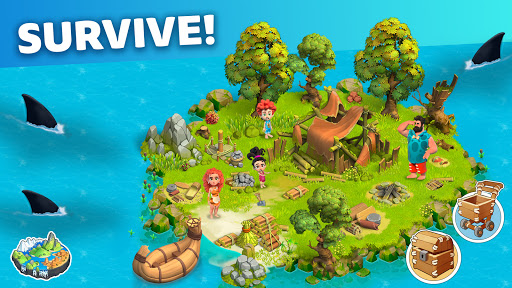
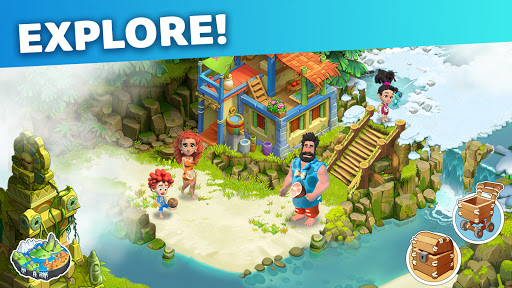
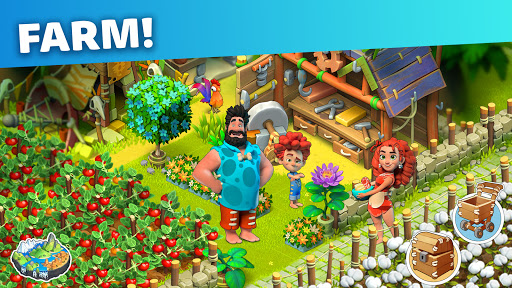
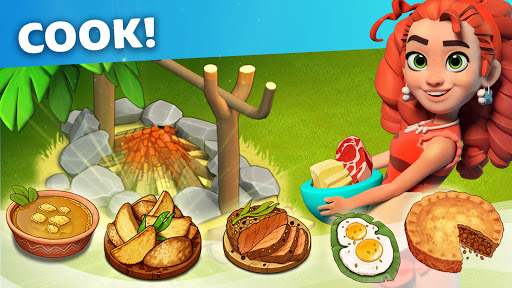
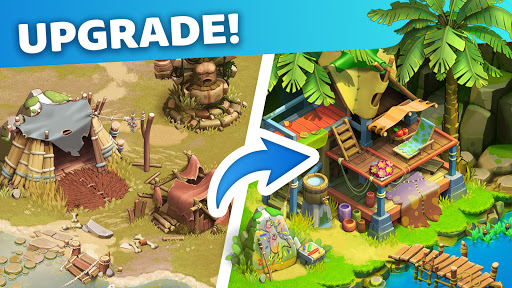
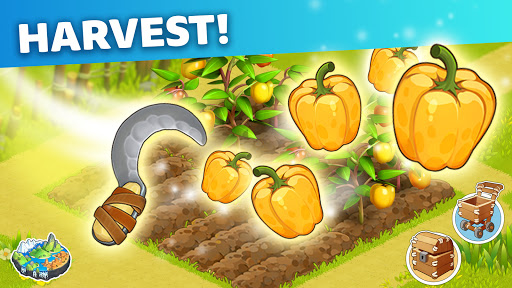
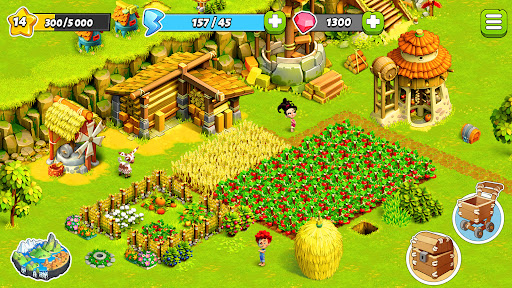
Family Island™ — Farming game lands in that crowded mobile genre where farming, crafting, and exploration all blur together, but after spending real time with it, the game does a noticeably better job than most at making the routine feel warm, readable, and genuinely pleasant. It is not a revolutionary game, and it definitely has the usual free-to-play friction points, but it has enough personality and enough day-to-day playability to stand out. The first thing that impressed me was presentation. Family Island has a soft, colorful art style that makes even basic chores like harvesting roots, clearing grass, and chopping trees feel inviting. The characters are expressive, the island environments are busy without being messy, and the interface is cleaner than many games in this category. Objectives are easy to find, inventories are understandable, and the game generally succeeds at telling you what matters now without burying you in clutter. That matters a lot in a farming sim, because these games can become exhausting fast if every action feels like menu work. Here, the basic loop is smooth enough that I kept checking back in. The second strength is the game’s overall rhythm. Family Island is at its best when you treat it as a steady, low-pressure management game rather than a marathon session. There is a satisfying cadence to planting, cooking, crafting, fulfilling requests, and opening up new areas. The home island gives you that familiar feeling of building a little world piece by piece, and the game smartly mixes in story flavor and exploration so it does not feel like you are just feeding machines forever. Visiting event islands and other adventure areas adds variety, and those sections often bring a stronger sense of forward momentum than the farm itself. It feels good to clear a path, uncover hidden resources, and work toward a visible reward. Another thing I appreciated is how restrained the ad experience feels compared with many free mobile games. Ads are present, but they generally come across as optional opportunities for a little extra energy or a small boost rather than constant interruptions. That design choice goes a long way toward making the game feel respectful of your time, even when it is clearly trying to slow your progress elsewhere. In practical terms, I rarely felt hounded by advertising, which is a meaningful win for a free-to-play title. That said, Family Island’s biggest weakness is impossible to ignore: energy. Nearly everything meaningful costs energy, and while the game gives you several ways to recover it through food, trades, bonuses, and optional ads, it still burns down much faster than many players will want. In short sessions, this is manageable. In longer sessions, it becomes the defining feature of the experience. You can be in the middle of a satisfying clearing streak or making visible progress on an event path, only to hit a wall within minutes. That stop-start pacing is clearly intentional, but it does undercut the game’s otherwise cozy mood. If you are the kind of player who likes settling in for a solid half hour of continuous play, Family Island can feel stingy. The event structure is the second major frustration. On paper, limited-time islands are a smart way to keep the game fresh, and some of them are genuinely fun. In practice, they often ask for more energy and more constant attention than feels reasonable. I frequently had the sense that I was making progress without actually getting close to completion, especially once the costs ramped up. The result is that these adventures can shift from exciting to exhausting. If you are disciplined and treat them as bonus content, they are fine. If you are a completionist, they can become a trap. The third weakness is that the home base management, while polished, can become mildly awkward over time. Rearranging buildings is not as flexible as it could be, and spatial planning occasionally feels more restrictive than enjoyable. Resource flow can also be uneven. Some materials are easy to gather in bulk, while others slow down upgrades and production chains enough that the game starts to feel like waiting layered on top of waiting. It never fully breaks the experience, but it does chip away at the sense of momentum that the best farming games maintain. Even with those issues, I kept finding reasons to come back. That is probably the clearest sign that Family Island works. The game understands the appeal of small accomplishments: one more crafted item, one more patch of fog cleared, one more meal cooked, one more building upgraded. It is a very good “check in throughout the day” game. It also has a lighter, friendlier tone than many survival-themed island builders, which makes the grind easier to tolerate. Who is this game for? It is for players who enjoy casual farming and crafting loops, like gradual island expansion, and do not mind patience-based progression. It is especially good for people who want a game they can play in bursts rather than in long sittings. It is not for players who hate energy systems, dislike limited-time events, or want a fully relaxed sandbox with minimal resource pressure. If you tend to resent being nudged toward spending or waiting, this game will test your tolerance. Overall, Family Island is one of the more polished and appealing entries in its niche. Its visuals are charming, its interface is thoughtfully designed, and its blend of farming and exploration gives it more life than a simple crop grinder. But the energy economy and event pacing keep it from being an easy, universal recommendation. I enjoyed my time with it most when I stopped trying to beat it and started treating it like a pleasant daily ritual. Approached that way, it is genuinely good.