Apps Games Articles
Geometry Dash Lite
RobTop Games
Rating 4.4star icon
Editor's summary
Editor rating
star icon star icon star icon star icon
half star icon
4.5

One-line summary Geometry Dash Lite is easy to recommend for anyone who wants a brilliantly tuned, music-driven challenge, but its difficulty spikes and occasional ad friction mean it is not the best pick for players who want a relaxed arcade game.

  • Installs

    500M+

  • Developer

    RobTop Games

  • Category

    Arcade

  • Content Rating

    Everyone 10+

  • Latest version

    2.2.147

  • Package

    com.robtopx.geometryjumplite

In-depth review
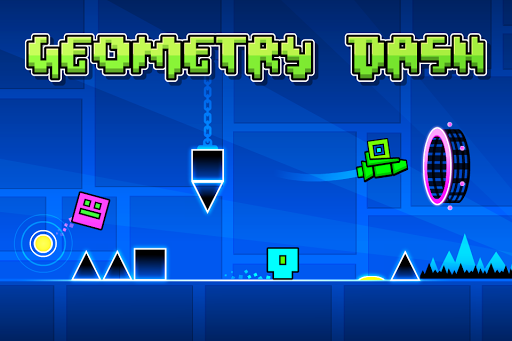
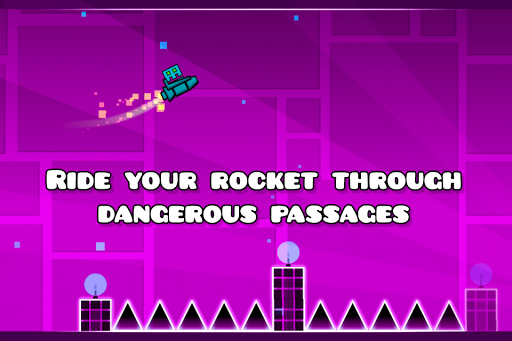
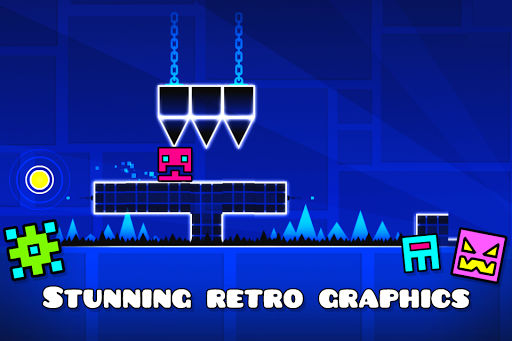
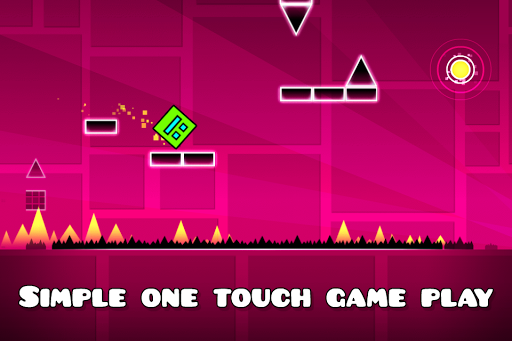
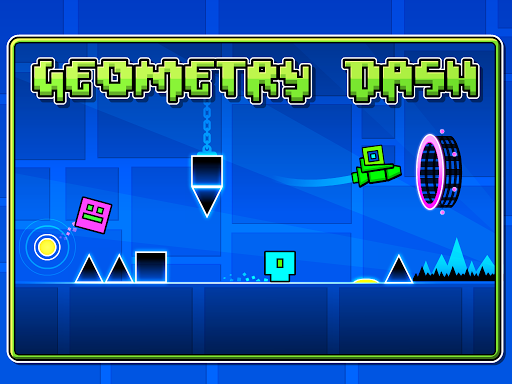
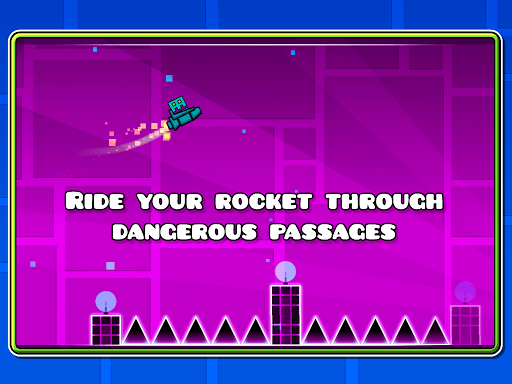
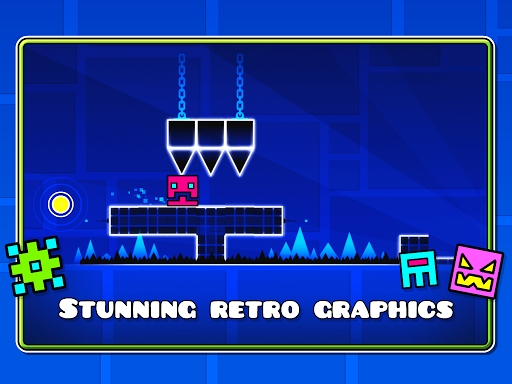
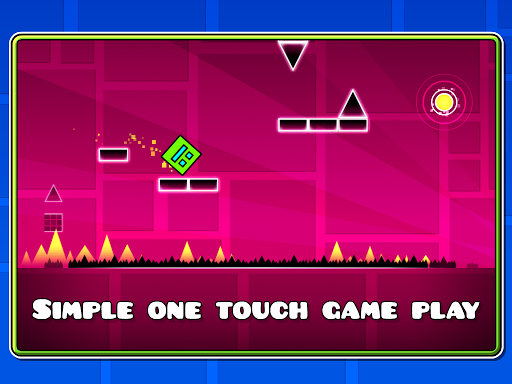
Geometry Dash Lite remains one of those rare mobile games that feels instantly understandable and surprisingly hard to put down. After spending time with it again on Android, what stands out is how cleanly it delivers on its core idea: tap to jump, survive the obstacle course, and do it all in sync with a thumping soundtrack. That sounds simple, and it is, but the game gets a lot of mileage out of that simplicity. The first thing that still works brilliantly is the feel of the gameplay itself. Geometry Dash Lite is a one-touch platformer, but it never feels shallow. Every level is built around timing, repetition, and muscle memory. You are not wandering through menus or managing currencies or waiting for systems to unlock the fun. You tap, fail, restart, and gradually improve. That loop is brutally efficient. When the game is clicking, every jump starts to feel musical rather than mechanical, and that is what gives Geometry Dash its identity. The rhythm is not just background flavor; it genuinely helps you internalize the level structure. That leads directly to the app’s biggest strength: the combination of visual clarity, speed, and soundtrack. The levels are flashy, but they are not random. Obstacles, color shifts, gravity changes, and vehicle sections all come together in a way that feels deliberately choreographed. Even after repeated deaths, I kept restarting because the game creates that “one more try” pull better than most mobile arcade titles. It is difficult, yes, but usually in a way that feels earned. You can see the mistake, adjust, and make a little more progress next time. Another thing Geometry Dash Lite gets right is performance. On a decent device, the action feels smooth, responsive, and immediate, which matters enormously in a game that lives or dies on precision. The controls are about as direct as mobile input gets, and for most runs the game feels fair. There is very little friction between your intent and what happens on screen, which is exactly what this kind of challenge platformer needs. The free version also does a respectable job of giving you the essence of the full Geometry Dash formula without turning itself into a miserable ad trap. Ads are present, and they do interrupt the flow from time to time, but they are not constantly shoved into the middle of gameplay. You can usually get a good stretch of attempts in before one appears. That matters because this is a game built around repetition, and anything that breaks concentration feels worse here than it would in a slower-paced app. That said, the ad experience is still one of the game’s clearest weak points. While the overall ad load is lighter than in many free mobile games, it can still feel poorly timed when you are in the middle of a focused run of attempts and suddenly get pulled out into a video. In a rhythm-based game where momentum matters, even occasional interruptions feel more annoying than they would elsewhere. The Lite branding helps set expectations, but players who fall in love with the game quickly may find themselves wishing for the cleaner experience of the paid version. The second real drawback is the difficulty itself. Geometry Dash Lite is absolutely not for everyone. The game likes to present itself with cheerful neon confidence, but underneath that style is a very demanding precision platformer. Progress often comes through memorization, and some players will bounce off that almost immediately. If you are the kind of person who gets irritated by failing the same section twenty times in a row, this will feel punishing rather than exhilarating. Even practice mode, while useful, does not fully soften that edge. It helps you learn layouts, but it does not always feel as elegant as it could, especially when checkpoint placement creates awkward retry situations. The third issue is that the Lite version is exactly that: a limited slice. What is here is good, but you can feel the boundaries. It works well as a standalone challenge and as a way to test whether the full game is for you, yet there is an unavoidable sense that you are playing the sampler rather than the full meal. That is not a flaw in the traditional sense, but it does affect how long the app feels satisfying on its own if you become deeply invested. Still, the strengths outweigh the frustrations. Geometry Dash Lite has a distinctive sense of rhythm and motion that many imitators never quite capture. It is polished where it counts most: responsive controls, memorable level design, and a feedback loop that keeps nudging you forward. It also deserves credit for feeling like a real game rather than a collection of retention tricks. The challenge is the point, and the app trusts that challenge to carry the experience. Who is it for? Players who enjoy hard arcade games, fast retries, pattern learning, and the satisfaction of shaving mistakes off a near-perfect run will have a great time here. It is also a strong choice for anyone curious about Geometry Dash who wants to see what the fuss is about before spending money on the full version. Who is it not for? Anyone looking for a calm, low-pressure casual game should stay away. If you dislike repetition, get frustrated easily, or hate any ad interruption in a precision-focused game, Geometry Dash Lite may wear out its welcome quickly. Even now, Geometry Dash Lite feels lean, sharp, and oddly timeless. It can be maddening, and the ads do occasionally cut into the flow, but when everything lines up, it delivers one of the most satisfying reflex-and-rhythm experiences available on mobile. For a free arcade game, that is an impressive achievement.
Alternative apps