
Apps Games Articles
PhonePe UPI, Payment, Recharge
PhonePe
Rating 4.3star icon
Editor's summary
Editor rating
star icon star icon star icon star icon
half star icon
4.5

One-line summary PhonePe is one of the easiest and most dependable all-in-one UPI apps to live with every day, but its cluttered financial extras and a few nagging usability gaps keep it from feeling truly best-in-class.

  • Installs

    500M+

  • Developer

    PhonePe

  • Category

    Finance

  • Content Rating

    Everyone

  • Latest version

    23.10.13.0

  • Package

    com.phonepe.app

In-depth review
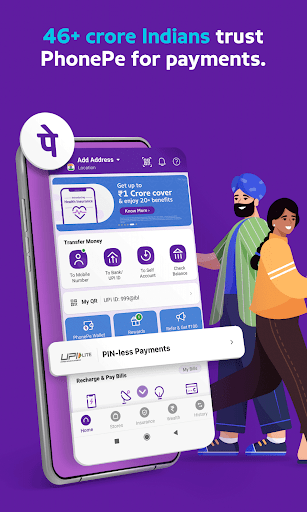
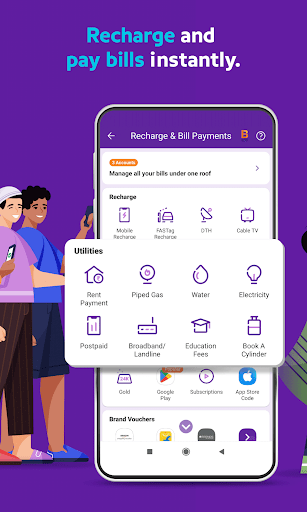
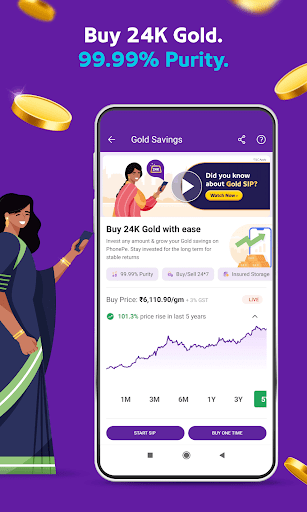
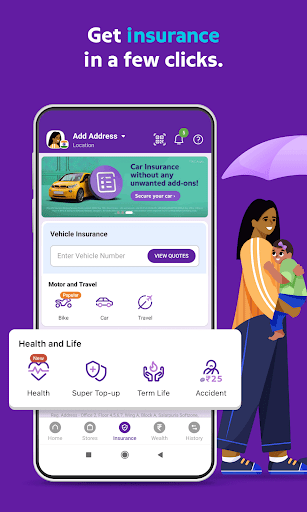
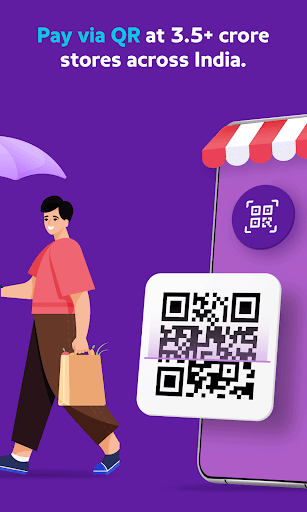
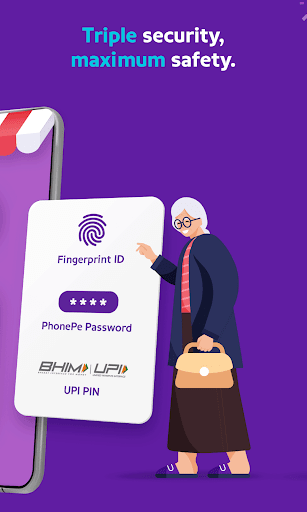
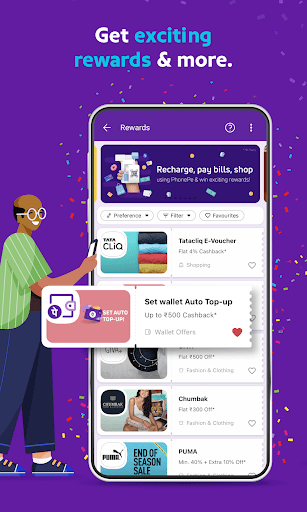
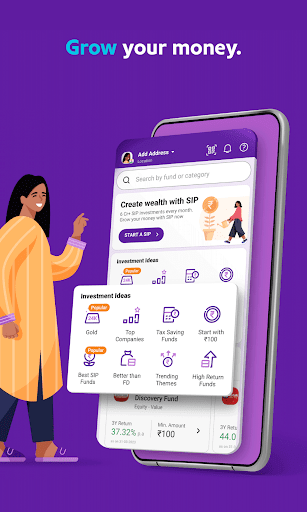
After spending real time with PhonePe as an everyday payments app, the clearest takeaway is this: it gets the core job done very, very well. If your main goal is to send money over UPI, scan QR codes at shops, recharge your phone, pay utility bills, and handle the usual stream of digital payments without drama, PhonePe is easy to recommend. It feels mature, fast, and built around habits that are now second nature for millions of people. You open it, authenticate, tap a contact or scan a code, and the transaction flow is usually over in seconds. That sense of reliability is PhonePe’s biggest strength. In regular use, the app feels designed for frequency. The home screen pushes the most common actions up front, and the payment journey is generally straightforward enough that even people who are not especially tech-savvy can get comfortable with it. Scanning and paying at neighborhood stores is quick, UPI transfers are simple, and bill payment workflows are easier than many bank apps manage. We especially liked how the app reduces friction for routine tasks: once your bank account is linked, day-to-day payments become almost mechanical in the best possible way. The second big strength is breadth. PhonePe is not just a UPI utility; it tries to be a full personal finance hub. In practical terms, that means you can move from paying a merchant to recharging your phone, paying a credit card bill, checking utilities, or exploring insurance and investment products without leaving the app. For some people, that convenience is genuinely useful. If you prefer having one familiar interface for most financial chores, PhonePe makes a strong case for itself. We found this particularly appealing for users who want an all-in-one payments setup rather than a single-purpose tool. Its third strength is accessibility. PhonePe does a good job of feeling approachable instead of intimidating. The app is polished enough for power users but simple enough for students, families, and first-time digital payments users. There is a reassuring plainness to the design: it does not feel like it is trying to impress you with complexity. It wants to help you finish a task, and most of the time it succeeds. That said, PhonePe is not a perfect experience, and the rough edges become more noticeable the longer you use it. The first weakness is that the app can feel crowded. The core payments experience is clean, but once you move beyond that first layer, PhonePe starts to show the usual symptoms of a finance super-app: a lot of surfaces, a lot of options, and more products than some users actually want. Insurance, loans, investments, gold, wallets, bills, and other services may sound convenient on paper, but in practice they can make the app feel busier than necessary. If you only want a lean UPI app, this can be mildly annoying. The second weakness is in transaction management after the payment is done. PhonePe is excellent at helping you complete a payment, but it is less thoughtful about helping you understand your spending over time. During our review, one missing piece stood out: richer expense organization would make a real difference. The app handles transactions well enough as records, but it does not feel especially strong as a money-tracking tool. If you are hoping for smart monthly categorization across groceries, food, shopping, bills, and entertainment, the experience still feels a step behind what many users now expect from a digital finance app. The third weakness is that occasional usability snags break the polish. Authentication is naturally important in a payments app, and PhonePe leans hard into security, but not everyone will love how tightly the app ties access to device-level screen lock methods. For security-conscious users that may be reassuring; for others, it can feel intrusive or abrupt. We also ran into small moments where the flow felt less refined than the rest of the app, especially after certain transaction states when navigation did not feel as smooth as it should. These are not deal-breakers, but they matter in an app people may open multiple times a day. Performance overall is good, though not flawless. Most transactions feel quick, and the app generally behaves like a mature product rather than an unstable one. But there are moments where payment confirmation or transaction completion can feel slower than ideal, and when you’re moving money, even a brief delay feels longer than it is. PhonePe is dependable more often than not, but it is at its best when everything is instantaneous; anything less stands out immediately. Who is PhonePe for? It is for anyone who wants a highly practical, everyday digital payments app that can handle UPI transfers, QR payments, recharges, and bills in one familiar place. It is especially good for users who value convenience over minimalism and do not mind having insurance, investments, and other financial products available alongside payments. It is also a good fit for people who want a wallet-like companion for routine spending. Who is it not for? If you want a stripped-down, ultra-minimal app focused only on sending money, PhonePe may feel too broad. If you are particular about advanced spending insights, detailed post-transaction notes, or a dedicated savings-style separation inside the app, you may find yourself wishing it went further. And if your tolerance for small UX annoyances is low, the occasional rough edge will stand out more here than the polished core might suggest. In the end, PhonePe succeeds where it matters most. It makes digital payments feel routine, trustworthy, and accessible. That alone is enough to put it near the top of the category. It loses a few points because the app sometimes tries to be too much, and because the transaction history side of the experience has room to grow. But for most people, those are secondary concerns. As a daily-use payments app, PhonePe remains one of the easiest recommendations on Android.
Alternative apps