
Apps Games Articles
Dark Riddle
PAGA GROUP
Rating 4.0star icon
Editor's summary
Editor rating
star icon star icon star icon star icon empty star icon
4.2

One-line summary Dark Riddle is easy to recommend if you want a surprisingly rich stealth-puzzle adventure on mobile, but the immersion takes regular hits from ads, occasional rough edges, and moments of confusing progression.

  • Installs

    10M+

  • Developer

    PAGA GROUP

  • Category

    Adventure

  • Content Rating

    Everyone 10+

  • Latest version

    13.5.0

  • Package

    com.neighbors.darkriddle

Screenshots
In-depth review
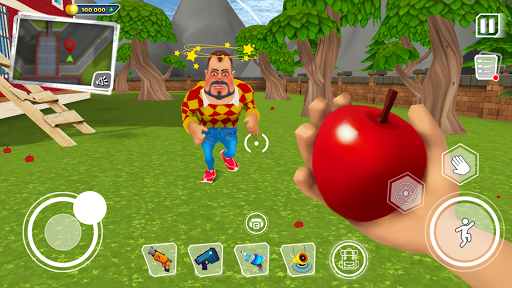
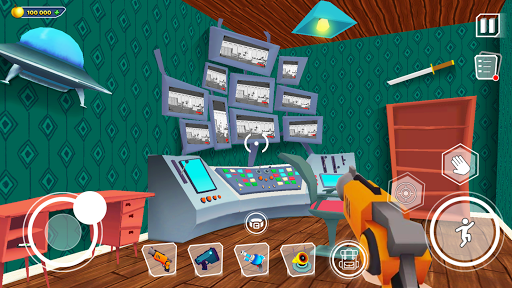
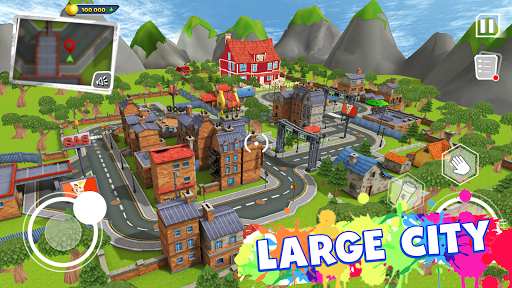
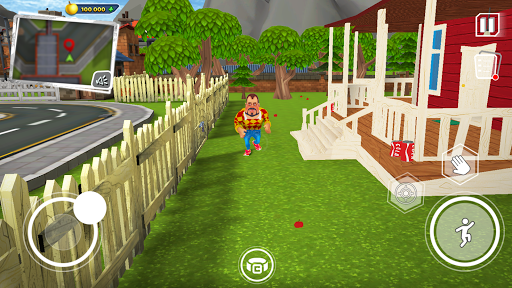
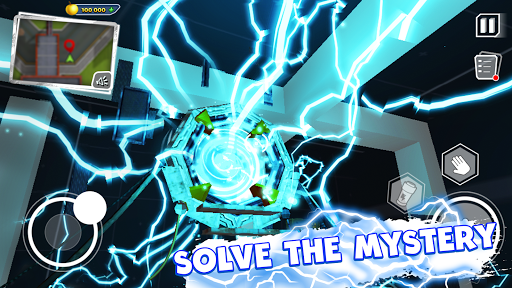
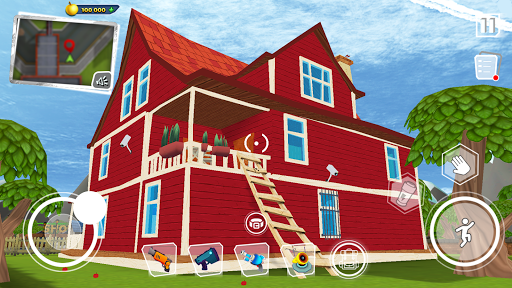
Dark Riddle starts from a familiar setup: a suspicious neighbor, a house full of secrets, and a kid-sized sense of curiosity that quickly turns into trespassing, sneaking, and puzzle-solving. What makes it worth your time is that it doesn’t stay a one-note stealth game for long. After spending real time with it, what stood out most was how much more playful and layered it feels than its basic premise suggests. It wants to be creepy, but not oppressively so; puzzly, but not fully abstract; and broad enough to give you more to do than simply sneak in, get caught, and repeat. The first thing Dark Riddle gets right is atmosphere. This is not a full-on horror experience in the sense of relentless jump scares or oppressive dread, but it does a good job of putting you on edge. The neighbor’s house feels like a place you are not supposed to be, and the game gets tension out of that very effectively. Doors, traps, strange items, and the constant risk of getting spotted create a steady low-level suspense that works especially well in shorter sessions. It is the kind of mobile game where you tell yourself you will only try one more task, then spend another twenty minutes trying to figure out one more route into the house. The second strength is the puzzle design. Dark Riddle is at its best when it asks you to observe the environment, remember where objects are, and connect clues across different parts of the map. It rarely feels like a pure reflex game. Instead, success usually comes from experimenting, failing, and then returning with a slightly better plan. That gives the game a satisfying detective flavor. Progress often feels earned, and the sense of payoff is real when a locked-off area finally opens or a strange basement mystery starts to make sense. Its third big advantage is scale. I expected a narrow stealth game built around a single house, but Dark Riddle feels broader than that. The surrounding town, extra characters, and offbeat story touches give it more personality than many mobile adventure games in this category. It has a slightly chaotic tone, but in a good way. There is always a sense that the game may throw another odd mechanic, quest step, or character encounter at you. That unpredictability helps it avoid becoming repetitive. That said, the game also has some clear friction points. The biggest is monetization pressure in the middle of play. As a free game, Dark Riddle is generous enough to let you get started and see what makes it interesting, but ads have a habit of breaking the mood. In a game built around tension and exploration, interruptions are especially noticeable. If you are the kind of player who hates being pulled out of an experience every few minutes, this will bother you more here than it might in a casual puzzle app. The second weakness is that progression can become murky. There were stretches where the objective felt less like a clever mystery and more like a scavenger hunt missing a key hint. When the game is guiding you well, the puzzles are engaging. When it is not, you can end up wandering around asking yourself whether you missed an obvious clue or whether the next step is simply too poorly signposted. That uncertainty can flatten the momentum, especially in later quests or side objectives. The third issue is polish. For a game with this much ambition, Dark Riddle often feels impressively smooth, but not consistently. Controls are serviceable and generally easy to learn, yet the overall presentation can still feel uneven. Some textures look soft, some interactions are a little clunky, and occasional bugs or visual hiccups can chip away at the illusion. None of this destroyed the experience for me, but it does remind you that this is a free mobile game reaching for a bigger console-style structure without always fully landing the technical side. Even with those caveats, I came away more impressed than skeptical. Dark Riddle has an identity. It is not just trading on a creepy-neighbor concept; it actually builds a satisfying loop around sneaking, experimenting, and uncovering the next secret. The story is strange in an entertaining way, and the game benefits from not taking itself too seriously. That lighter, slightly bizarre energy makes the scary moments more approachable and gives the whole thing a broader audience than a pure horror title would have. This is a strong pick for players who enjoy stealth games, environmental puzzles, and mystery adventures with a bit of cartoon suspense rather than brutal horror. It also works well for people who like free mobile games that feel larger than they first appear. On the other hand, it is not ideal for players who want a fully premium-feeling experience, who are easily annoyed by ads, or who expect crisp direction at every step. If you need constant clarity and zero interruptions, the rougher parts will stand out. Overall, Dark Riddle is one of those mobile games that wins you over by being more ambitious and more entertaining than expected. It can be messy, and it can absolutely test your patience when ads or vague objectives get in the way, but the core experience of exploring, sneaking, and uncovering the neighbor’s secrets is good enough to keep pulling you back.