
Apps Games Articles
AMAZE!
CrazyLabs LTD
Rating 4.6star icon
Editor's summary
Editor rating
star icon star icon star icon star icon empty star icon
4.2

One-line summary AMAZE! is an easy game to recommend if you want a genuinely satisfying, low-pressure puzzle time-killer, but its frequent ads and eventually repetitive level design keep it from feeling essential.

  • Installs

    50M+

  • Developer

    CrazyLabs LTD

  • Category

    Puzzle

  • Content Rating

    Everyone

  • Latest version

    5.5.0.0

  • Package

    com.crazylabs.amaze.game

In-depth review
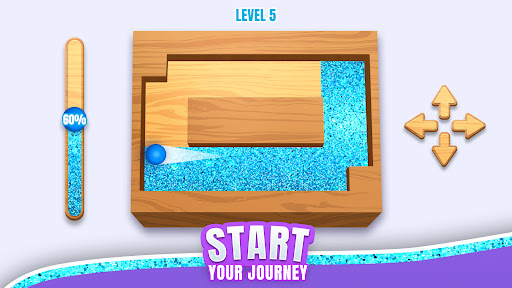
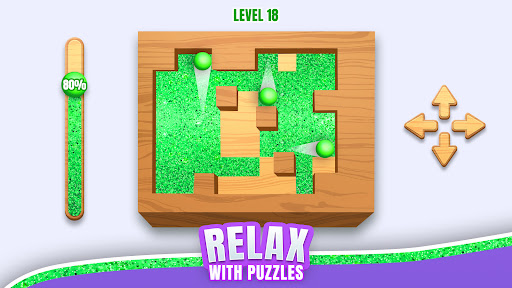
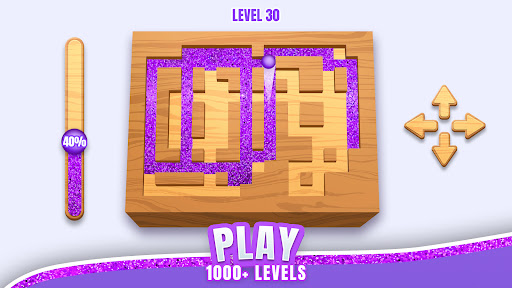
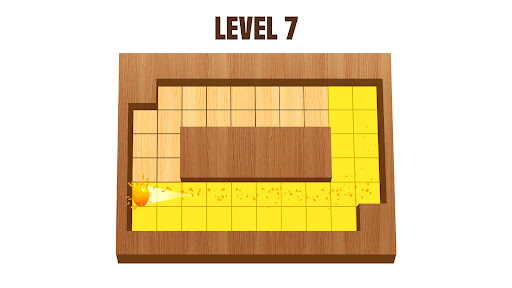
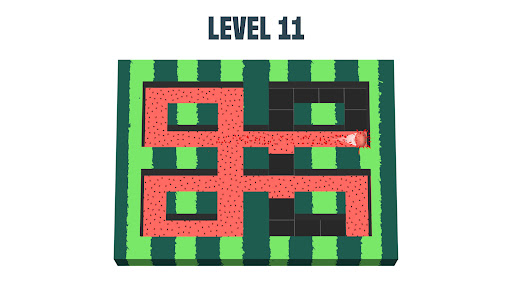
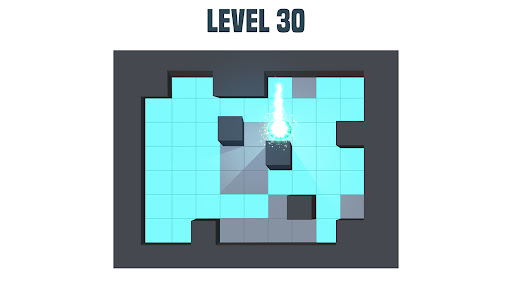
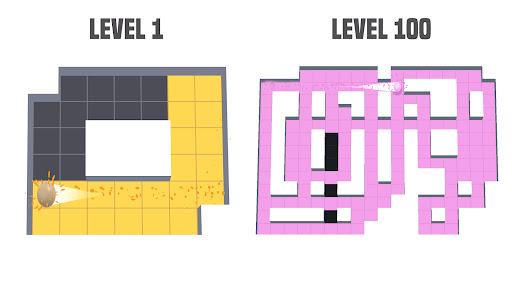
AMAZE! knows exactly what kind of mobile game it wants to be: quick to load, simple to understand, tactile to play, and just challenging enough to keep your brain occupied without turning the whole thing into work. After spending real time with it, that focus is what stands out most. You swipe a ball through a maze-like grid, and every square has to be painted. That premise is almost absurdly straightforward, but the game gets a surprising amount of mileage out of it. What makes AMAZE! work is the feel of play. The controls are immediate, levels start and end quickly, and there is very little friction between one puzzle and the next. That matters more than it sounds. A lot of mobile puzzle games bury their core loop under menus, timers, currencies, or overcomplicated reward systems. AMAZE! is much better when it simply lets you move to the next board and keep the rhythm going. In short sessions, it is excellent. It works while waiting in line, half-watching TV, or killing ten minutes before bed. It is also one of those games that can easily turn a “just one more level” moment into twenty minutes. The first major strength here is that the core mechanic is genuinely satisfying. Sliding the ball through a clean geometric layout and watching the path fill in with color scratches the same itch as a good coloring app or a neatly organized logic puzzle. There is a nice visual payoff every time a board clicks into place. Even when a level is not especially difficult, it still feels good to solve because the motion itself is pleasant. The interface also helps: it feels smooth, readable, and easy to parse at a glance. The second strength is the game’s accessibility. AMAZE! does not demand a huge time investment, and it does not punish experimentation. You can try routes, mess up, and approach the puzzle again without the stress that comes from move limits or harsh fail states in stricter logic games. That gives it a broader appeal than many puzzle apps. If you like hard-core brain-burners, this may feel light, but if you want a puzzle game that is mentally engaging without becoming exhausting, it hits a sweet spot. The third strength is variety within its narrow concept. While the central idea never changes, the layouts and alternate modes help the game avoid feeling flat for a while. The better puzzles ask you to plan ahead instead of just reacting, and the stronger stages create that satisfying moment where the solution suddenly becomes obvious after a few failed attempts. It is not a deep strategy game, but it does a good job of making a very small idea stretch further than expected. That said, AMAZE! absolutely has weak spots, and the biggest one is ads. If you play for any length of time while connected, they become part of the experience whether you want them or not. They are not always unbearably long, but they appear often enough to break the game’s otherwise soothing flow. This is especially frustrating because the app’s best quality is its momentum. When you are chaining through levels smoothly, an ad every few rounds lands with extra annoyance. You can still enjoy the game for free, but the interruptions are hard to ignore. The second issue is repetition. Early on, the simplicity feels elegant; later, it can start to feel thin. AMAZE! is at its best in the first long stretch, when each level still feels like a neat little logic snack. After extended play, some boards begin to blur together, and the sense of discovery weakens. The game remains playable because the loop is satisfying, but there were points where I felt less like I was solving fresh puzzles and more like I was running familiar patterns with different paint. The third weakness is that the difficulty curve can feel inconsistent. Some levels ramp up nicely and force a bit of planning, then the game drops back into easier stages that you can finish almost on autopilot. That makes it approachable, but it also keeps it from becoming a truly great puzzle game. Players looking for a steadily escalating challenge may find the progression uneven, and those who want intricate, demanding logic design may eventually hit a ceiling on how much the game can offer. Who is AMAZE! for? It is for players who want a relaxing puzzle game with instant readability, short levels, satisfying motion, and enough challenge to stay engaging without causing stress. It is especially good for people who like phone games they can dip into casually and leave just as quickly. It is not ideal for players who hate ad interruptions, want deep strategic complexity, or expect hundreds upon hundreds of truly distinct puzzles. Overall, I came away liking AMAZE! quite a bit. It succeeds because it understands the value of frictionless design. The best moments are simple: swipe, paint, solve, move on. That loop is polished enough to carry the app a long way. It is not a masterpiece of puzzle design, and it does wear out some of its novelty over time, but as a free mobile game for low-stress, satisfying play, it is easy to enjoy. If you can tolerate the ad-heavy free experience, or avoid turning every short session into a marathon, AMAZE! earns its place as a very good casual puzzler.