Apps Games Articles
Candy Crush Soda Saga
King
Rating 4.6star icon
Editor's summary
Editor rating
star icon star icon star icon star icon
half star icon
4.5

One-line summary Candy Crush Soda Saga is easy to recommend for its polished, genuinely addictive puzzle design and generous long-term playability, but I’d hesitate if you’re impatient with difficulty spikes, event clutter, or the occasional push toward paid help.

  • Installs

    100M+

  • Developer

    King

  • Category

    Casual

  • Content Rating

    Everyone

  • Latest version

    1.230.4

  • Package

    com.king.candycrushsodasaga

In-depth review
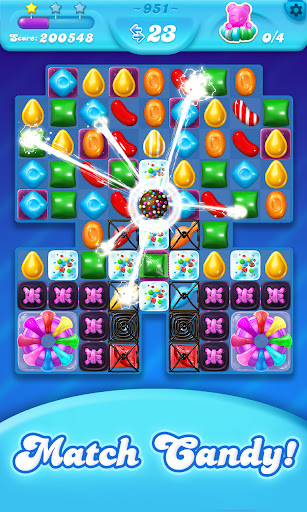
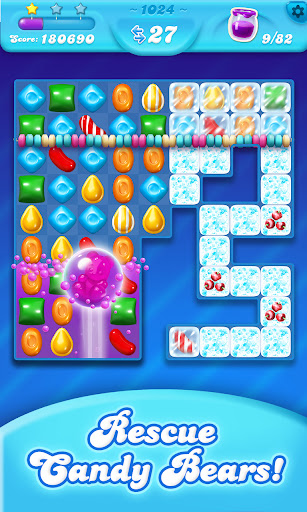
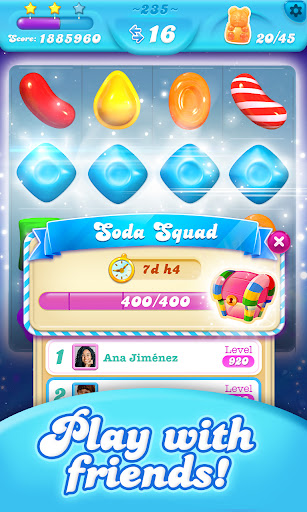
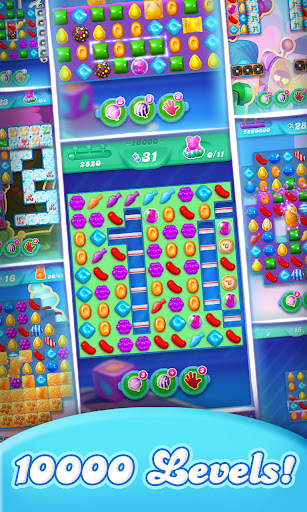
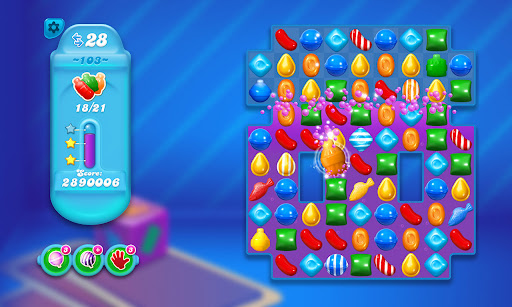
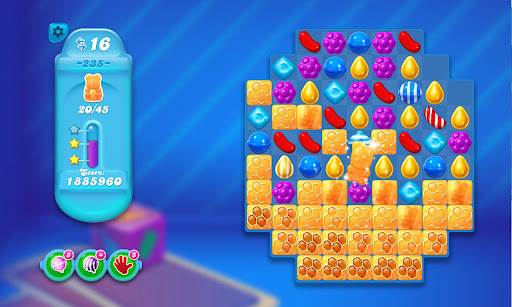
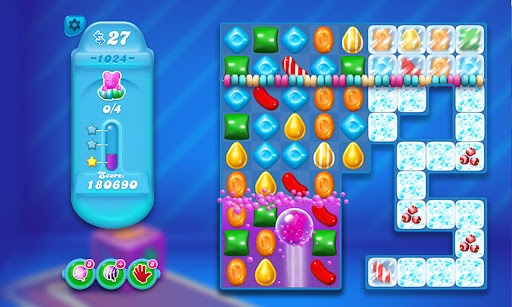
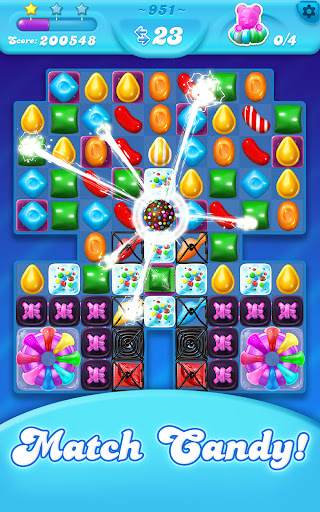
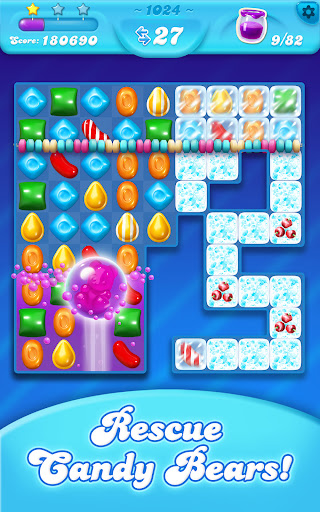
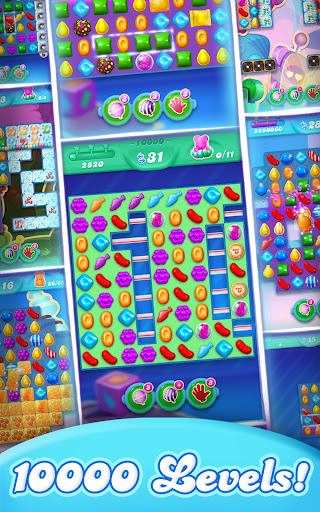
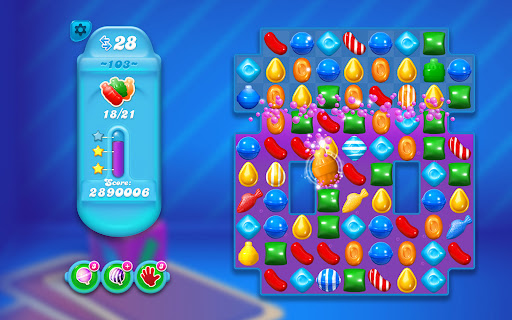
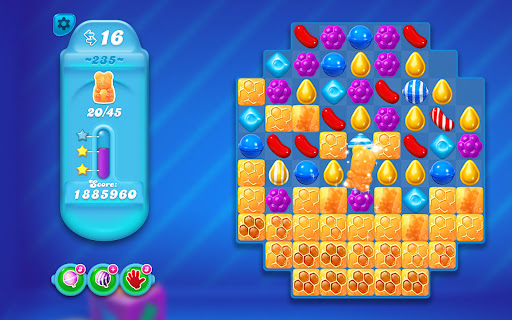
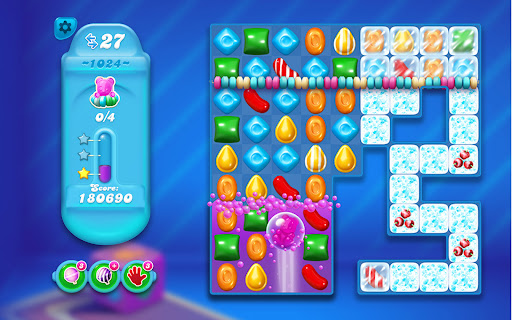
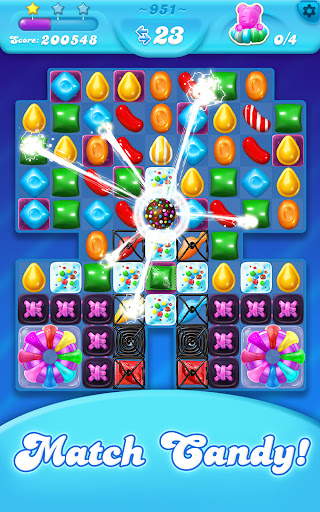
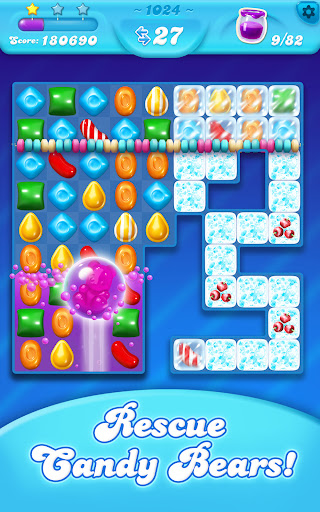
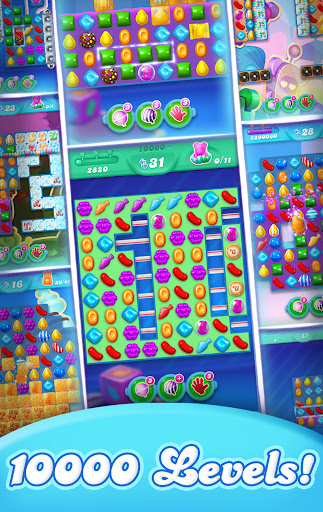
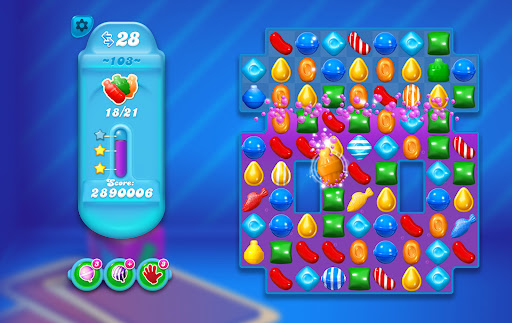
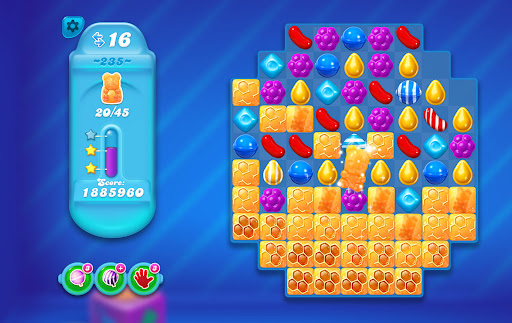
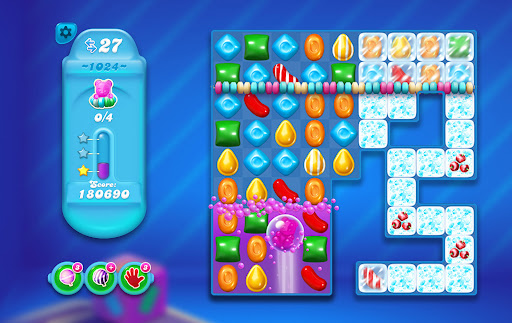
Candy Crush Soda Saga remains one of the most refined match-3 games on mobile, and after spending real time with it, I can see exactly why it has lasted. This is not just a reskinned candy puzzler coasting on brand recognition. It feels carefully tuned to keep you in that “one more level” loop, but with enough variety in level goals, board layouts, and side activities to stop the experience from going stale too quickly. The first thing that stands out in everyday play is how smooth and inviting the game feels. Soda Saga has bright visuals, playful animation, and a presentation style that is cheerful without becoming exhausting. Matches pop with satisfying feedback, special candies are easy to read, and the game does a good job of making chain reactions feel rewarding. Even after several sessions, I rarely felt lost in visual noise. That matters in a puzzle game where clarity is part of the challenge. It is easy to understand what the board wants from you, even when the level itself is not easy. What really elevates Soda Saga over many free-to-play puzzle games is the way it keeps introducing twists. This is still fundamentally a match-3 game, but it does not feel like the exact same objective repeated forever. Some levels are about freeing bears, others lean on spreading jam, popping bottles, clearing blockers, or managing awkward board geometry. Those changing goals make a noticeable difference. In a lot of puzzle apps, I start to feel like I am sleepwalking through familiar mechanics within half an hour. Here, I stayed engaged because the app kept asking for slightly different kinds of thinking. Sometimes brute-force combo making works; other times you have to hold back and set up the board carefully. That strategic layer is one of the game’s best qualities. Soda Saga is friendly at the start, but it gradually asks more from the player than simple color matching. You begin to watch how candies will fall, where bottlenecks are forming, and whether it is smarter to chase the level objective or build a special candy combination first. It is still accessible enough for casual sessions, but there is more thought involved than the sugary art style suggests. That balance is hard to get right, and Soda Saga mostly nails it. Another strength is that it can be played for a long time without feeling mandatory to spend money. Optional purchases are definitely present, and the game does not hide them, but in my time with it, progression did not immediately hit a paywall. Boosters, rewards, and event bonuses help keep momentum going. For players who like a long-running comfort game they can dip into daily, that matters more than flashy marketing claims. Soda Saga feels built for repeat play, not just quick acquisition. That said, this is still a free-to-play mobile game, and its weak points are familiar. The biggest issue is difficulty fluctuation. Many levels feel fair, even when they are challenging, but every so often the game swings into a much tighter design where success depends heavily on getting the right board setup or spending resources to recover a run. Losing a level after building up streak-based progress feels especially punishing. It creates a sharper sense of setback than a simple failed attempt, and that frustration can sour an otherwise relaxing session. The event layer is also a mixed bag. On one hand, side contests, missions, and rotating activities give the game energy and make logging in feel worthwhile. On the other hand, there are times when the app starts to feel busy. Pop-ups, reward prompts, event notices, and progression interruptions can crowd the core experience. If you love extra goals and overlapping reward systems, this will feel lively. If you just want to clear a few levels in peace, it can feel like the game is constantly trying to route you through side content. Then there is the monetization pressure, which is subtle compared with some rivals but still present. Extra moves, boosters, streak protection, and premium resources all hover around the edges of failure. I would not call Soda Saga aggressive, but I would call it opportunistic. It knows exactly when you are most likely to be frustrated, and that is when the value of paid help becomes most visible. There are also occasional rough edges around connectivity and account-linked progress systems that can make streaks or rewards feel more fragile than they should. Who is this game for? It is a great fit for players who want a polished puzzle game they can return to for months, maybe years, without needing fast reflexes or heavy commitment. It also works well for people who enjoy small daily rituals: a few levels over coffee, a challenge before bed, a little reward loop during downtime. It is not ideal for players who dislike randomness, hate being blocked by hard levels, or want a premium-style puzzle experience with zero event noise and zero monetization nudges. Overall, Candy Crush Soda Saga succeeds because the basics are genuinely strong. The board design is smart, the audiovisual polish is excellent, and the progression loop is dangerously effective. Its shortcomings are real—difficulty spikes, occasional friction around rewards and streaks, and too much side-event clutter—but they do not outweigh the fact that this is one of the better long-term match-3 games on Android. If you have room in your life for a bright, compulsively playable puzzle app, Soda Saga still earns its place.