
Apps Games Articles
Zara
Inditex
Rating 4.8star icon
Editor's summary
Editor rating
star icon star icon star icon star icon
half star icon
4.5

One-line summary Zara is easy to recommend for its beautiful, ad-free browsing and genuinely slick shopping flow, but I’d hesitate if you’re impatient with quirky navigation or need absolutely frictionless account and return handling.

  • Installs

    50M+

  • Developer

    Inditex

  • Category

    Shopping

  • Content Rating

    Everyone

  • Latest version

    17.4.2

  • Package

    com.inditex.zara

In-depth review
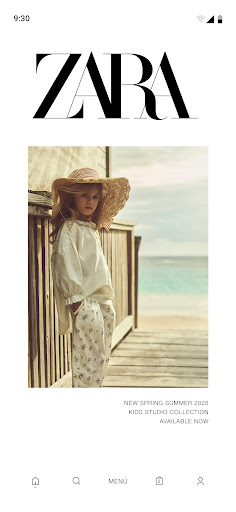
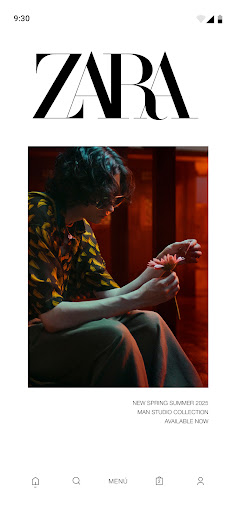
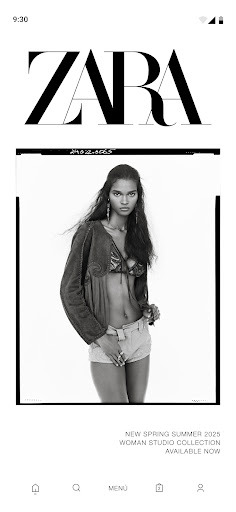
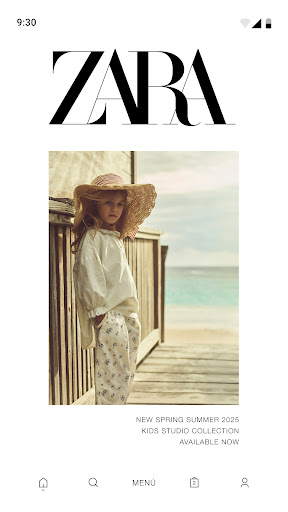
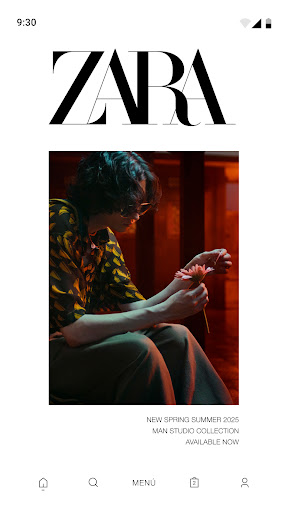
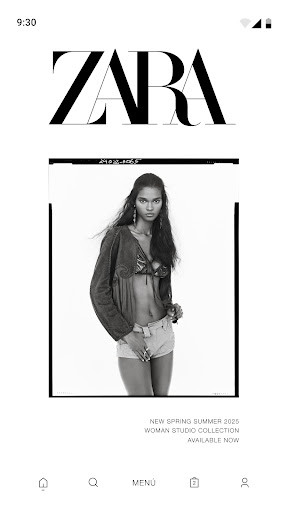
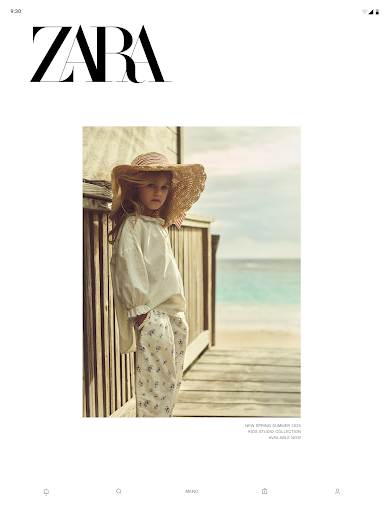
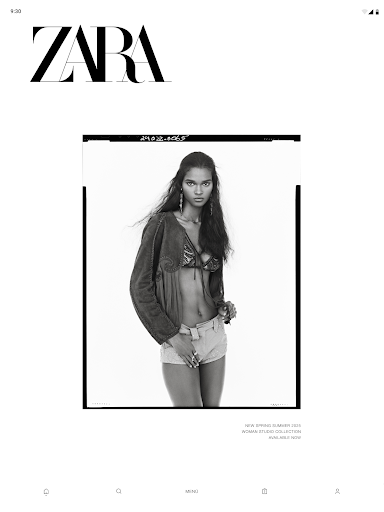
Zara’s app feels like a fashion app first and a utility second, and that is both its biggest strength and its most noticeable flaw. After spending real time browsing, searching, checking product pages, and walking through the purchase flow, my takeaway is that this is one of the better-looking retail apps on Android. It has a clear visual identity, strong product photography, and an interface that often feels closer to a digital lookbook than a basic storefront. When it clicks, it makes mobile shopping feel stylish instead of transactional. The first thing I noticed is how image-driven the entire experience is. Zara clearly wants you to discover clothes visually, and for a brand built around trend-led shopping, that approach makes sense. Large photos, clean presentation, and smooth browsing make it easy to get pulled into a category longer than you intended. If you like scrolling through outfits, zooming in on fabric and fit, and getting a sense of how an item might look beyond a flat product shot, the app does a good job of keeping that experience immersive. Product images are generally sharp and plentiful, which matters more in fashion than many shopping apps seem to understand. That visual polish also extends to the overall app environment. There are no ads cluttering the experience, no noisy banners fighting for your attention, and no cheap-feeling design shortcuts. It feels curated. In a category where many shopping apps are overloaded with promos, pop-ups, and urgency tricks, Zara’s cleaner presentation is refreshing. I found it easier to focus on what I was actually shopping for instead of constantly dismissing interruptions. Once I moved from browsing to buying, the experience was mostly strong. Checkout is simple, order tracking is built in, and the app does a good job of keeping the process contained without pushing you through too many unnecessary screens. I also like that Zara leans into practical details that help beyond the moment of purchase, such as receipt storage and order visibility. Those little conveniences make the app feel more complete as a shopping companion rather than just a catalog with a payment page attached. Search and discovery are solid, but not always intuitive. If you know exactly what you want, especially if you have a style number or a specific item in mind, the app can be efficient. If you are casually browsing, it is enjoyable. The awkward middle ground is when you are trying to compare variations, check size confidence, and make a fast decision. This is where Zara’s desire to be different sometimes gets in its own way. The most obvious example is size and quantity selection. In a more conventional retail app, those options are usually front and center on the product page. Here, they can feel oddly tucked away in the flow, which makes a basic action less obvious than it should be. I was able to complete the process without much trouble after adjusting to the app’s logic, but it is not the kind of interaction that feels instantly natural. It is stylish UX, not always practical UX. That same tension shows up in sizing support. The app does offer guidance, and in many cases it is helpful, but there are moments where I wanted clearer, more immediate size-chart access right on the product page. Fashion shopping lives or dies on confidence: confidence in fit, confidence in returnability, confidence in what exactly you are ordering. Zara gets part of the way there, but not all the way. For an app this polished visually, some essential shopping information still feels more hidden than it should. The other area where the experience becomes less reassuring is around account and service-related friction. The storefront side of the app is strong; the support side feels less elegant. Sign-in issues, password recovery, return logistics, and edge-case order problems can turn a smooth app into a frustrating one very quickly. During normal use, the app feels premium. When something goes wrong, the experience appears less consistently dependable. That does not erase the quality of the shopping flow, but it does matter because retail apps are judged most harshly when there is a payment, shipping, or return problem on the line. Delivery and fulfillment features are another mixed bag. The app supports order tracking and store-related convenience well, and it is especially useful if you like blending online and in-store shopping. Being able to use the app as a practical companion to store visits adds real value. But if you are ordering online with the expectation that every support step will be seamless, you may occasionally hit friction around returns, special conditions, or issue resolution. The app itself is not the whole story there, of course, but from a user’s perspective it is all one experience. So who is Zara for? It is a great fit for shoppers who enjoy browsing fashion visually, want a clean and modern mobile interface, and like the convenience of managing purchases, receipts, and store interactions in one place. It is especially good for people who already know the brand, shop it regularly, or prefer using an app over a mobile website. It is not ideal for anyone who wants ultra-conventional navigation, needs the clearest possible fit and return messaging before buying, or has very little patience for account-related hiccups. Overall, Zara is a very good shopping app and an unusually attractive one. Its strengths are easy to feel in daily use: polished design, excellent visual browsing, and a smooth purchase flow once you understand how it wants to be used. Its weaknesses are just as real: some unnecessarily hidden shopping actions, occasional ambiguity around key purchase details, and a support experience that does not always feel as refined as the storefront. Even so, I came away impressed. Zara makes mobile fashion shopping feel more elegant than most of its rivals, and if you can tolerate a few quirks, it is a strong app I’d keep installed.
Alternative apps