
Apps Games Articles
DOP 2: Delete One Part
SayGames Ltd
Rating 4.4star icon
Editor's summary
Editor rating
star icon star icon star icon star icon empty star icon
4.2

One-line summary DOP 2 is an instantly likable puzzle game with clever erase-to-solve mechanics, but the ad interruptions and occasional puzzle jank keep it just short of an easy universal recommendation.

  • Installs

    100M+

  • Developer

    SayGames Ltd

  • Category

    Puzzle

  • Content Rating

    Teen

  • Latest version

    1.2.0

  • Package

    com.playstrom.dop2

In-depth review
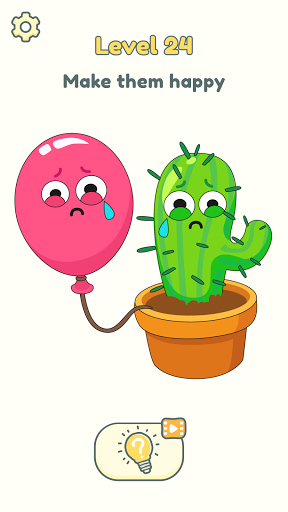
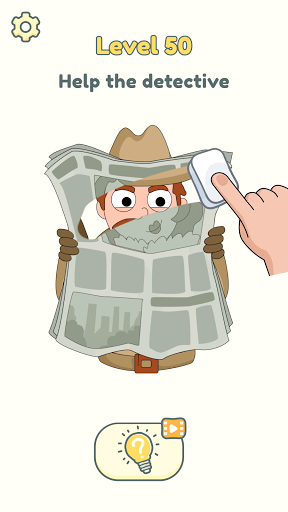
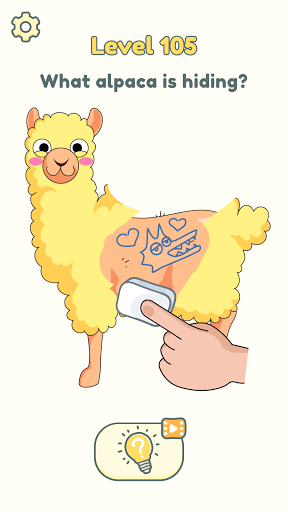
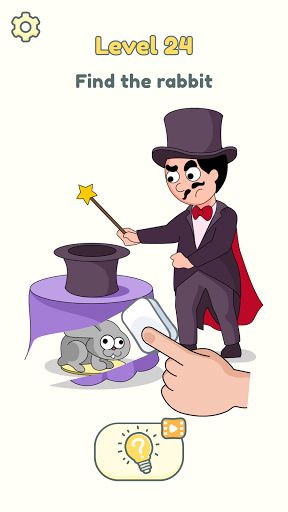
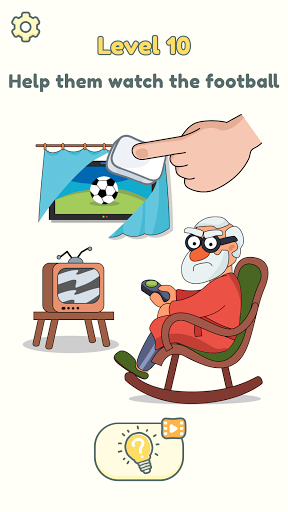
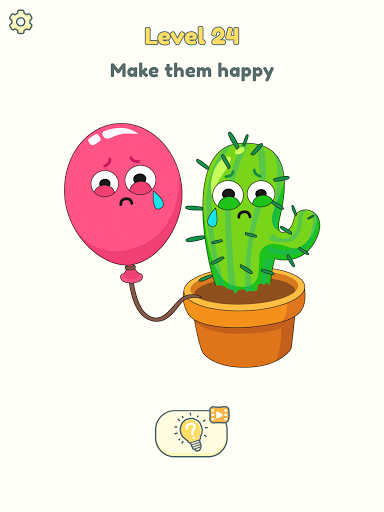
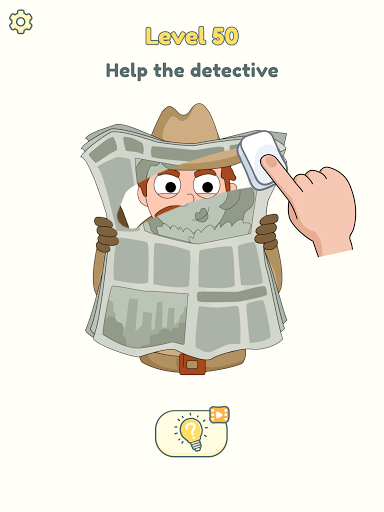
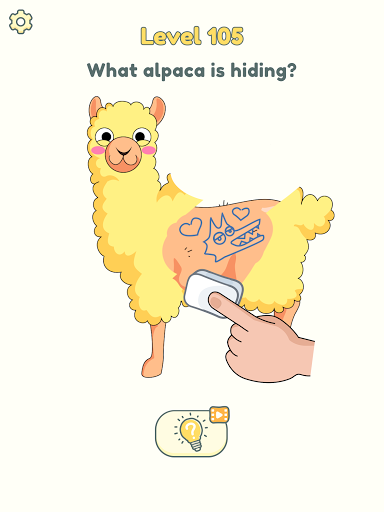
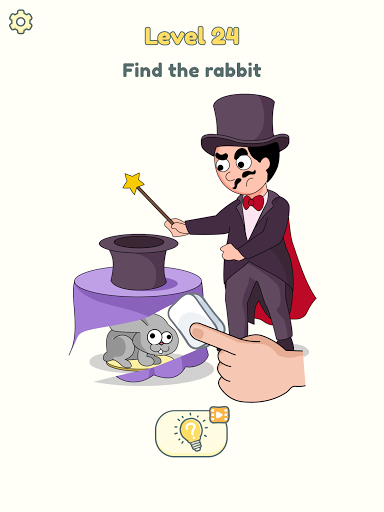
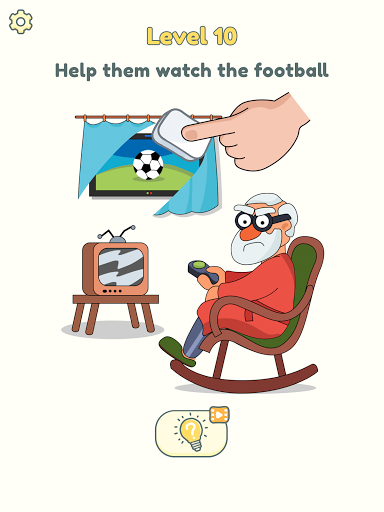
DOP 2: Delete One Part understands one of the oldest truths in mobile gaming: if a mechanic is simple enough to grasp in three seconds, you can build a lot of fun on top of it. The entire premise is almost aggressively straightforward. You look at a cartoon scene, rub away part of the image with your finger, and try to reveal the hidden answer. That could have turned into a shallow gimmick very quickly. After spending real time with it, though, I came away thinking DOP 2 is better than it first appears, even if it never fully escapes the usual free-to-play annoyances. What makes the game work is how tactile and immediate it feels. There is no bloated tutorial phase and no complicated control scheme to learn. You swipe, the drawing erases, and the puzzle either clicks or it does not. That directness makes it extremely easy to pick up for a minute or twenty. It is the kind of game you open while waiting in line, riding in the back seat, or winding down at the end of the day. The reset behavior also helps a lot: when you erase the wrong area, the game simply restores the image rather than punishing you harshly. That gives the whole experience a low-stress, toy-like quality that is surprisingly appealing. The second thing DOP 2 gets right is variety within its narrow mechanic. Even though every level technically revolves around deleting part of a drawing, the game regularly reframes what you are looking for. Sometimes the solution is literal and visual. Sometimes it is more about reading the scene, spotting a lie, exposing a hidden object, or thinking through a joke. The better levels feel like tiny visual riddles rather than chores. When the app is in rhythm, it delivers those satisfying moments where your first assumption is wrong, you pause, scan the picture again, and then suddenly understand exactly what needs to go. That little spark of recognition is the game’s real hook. The art style helps sell the whole package. DOP 2 uses bright, clean cartoon illustrations that are easy to parse on a phone screen, and that matters more than it sounds. In a game built around visual clues, readability is everything. The scenes are expressive enough to set up a joke or a scenario quickly without becoming visually messy. The animations and reveals are not elaborate, but they are polished enough to make each solved puzzle feel rewarding. It is a light, friendly presentation that makes the app approachable for younger players and casual puzzle fans. Still, there are limits to how far the formula can stretch. The biggest issue is ads. Their frequency seems to vary depending on how you play and whether you are online, but in regular use they are noticeable enough to affect the flow. DOP 2 is at its best when you bounce quickly from one “aha” moment to the next. Ads break that rhythm. Even when they are not constant, they are present often enough to remind you that the game is built around interruption. Hints tied to ad watching are easier to forgive, because they are optional, but full stop-and-wait ad breaks can make a breezy game feel more sluggish than it should. A second weakness is that puzzle quality is uneven. Some levels are genuinely clever, but others are either too obvious or operate on slightly slippery logic. There were moments where I knew what the game wanted conceptually, erased the part that seemed correct, and still had to fiddle around until the app accepted it. That kind of ambiguity is frustrating in a puzzle game, especially one that presents itself as intuitive. It does not ruin the experience, but it does chip away at the sense that the game is always playing fair. The third drawback is longevity for more experienced puzzle players. DOP 2 is entertaining, but it is not especially deep. Many levels are solved in seconds, and while some later stages do ask for a bit more observation, the game rarely becomes truly demanding in the way hardcore logic puzzle fans might want. If you are looking for layered deduction, long-form puzzle design, or the sort of challenge that leaves you stuck for half an hour, this is probably not your game. DOP 2 is more of a quick-hit brain teaser app than a serious mental workout. That also defines who it is best for. I would recommend DOP 2 to casual players, younger audiences, commuters, and anyone who enjoys visual puzzle games that are easy to jump into without commitment. It is also a good fit for people who like mobile games that can be played in short bursts and do not punish mistakes. On the other hand, it is not ideal for players who are highly sensitive to ads, people who want consistently rigorous puzzle design, or anyone who gets annoyed when a game’s answer depends a little too much on what the developer had in mind. Overall, DOP 2: Delete One Part succeeds because it understands its lane. It is simple, playful, and often clever enough to keep you swiping for longer than expected. The erase mechanic is genuinely satisfying, the presentation is charming, and the best puzzles land with a nice pop of discovery. At the same time, the ad load and occasional fuzzy logic stop it from feeling truly premium. I enjoyed my time with it, and I can comfortably recommend it to the right audience, just with the caveat that its smartest trick is also its simplest: it gives you a fun little mystery, then asks you to rub away the obvious until the answer appears.