
Apps Games Articles
June's Journey: Hidden Objects
Wooga
Rating 4.5star icon
Editor's summary
Editor rating
star icon star icon star icon star icon
half star icon
4.5

One-line summary June’s Journey is easy to recommend if you want a gorgeous, story-driven hidden-object game you can enjoy for months, but it’s a tougher sell for anyone who hates energy timers, slow build queues, or the occasional nudge toward spending.

  • Installs

    10M+

  • Developer

    Wooga

  • Category

    Adventure

  • Content Rating

    Teen

  • Latest version

    2.60.5

  • Package

    net.wooga.junes_journey_hidden_object_mystery_game

In-depth review
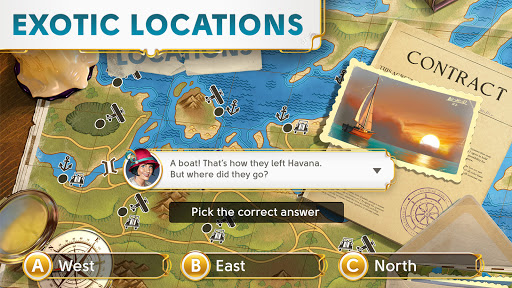
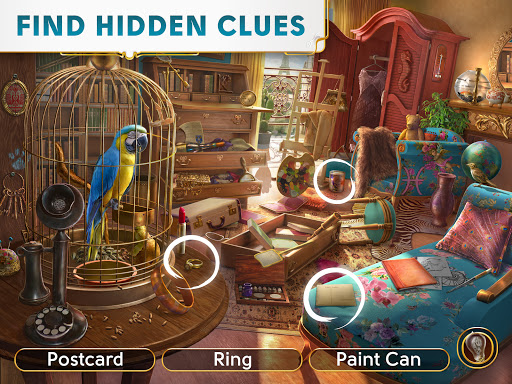
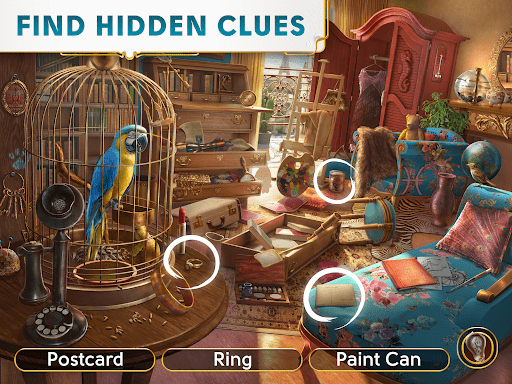
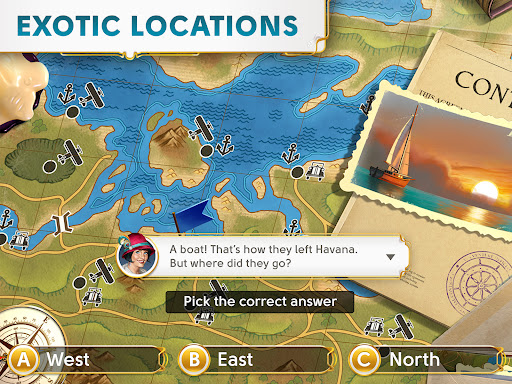
June’s Journey: Hidden Objects is one of those mobile games that understands exactly what kind of mood it wants to create. From the first few sessions, it leans hard into a polished 1920s mystery atmosphere: elegant interiors, glamorous travel backdrops, dramatic story beats, and hidden-object scenes that are busy without feeling messy. After spending time with it as a daily pick-up-and-play game rather than a one-night binge, what stands out most is how confident the experience feels. It is not trying to be frantic, hyper-competitive, or mechanically complicated. It wants to be a cozy ritual, and for the most part, it succeeds. The core hidden-object gameplay is straightforward but well executed. You enter illustrated scenes and search for listed items, gradually learning where objects tend to hide and how the art likes to disguise them. Some objects are obvious, some are slyly blended into the environment, and the better scenes create a satisfying rhythm where your eye starts scanning patterns more efficiently over time. That makes the game feel more skill-based than many casual puzzle apps. Replaying scenes to improve your score could have become repetitive, but the art direction does a lot of heavy lifting here. The locations are detailed, attractive, and varied enough that revisiting them is less tiresome than expected. That visual quality is one of the app’s biggest strengths. June’s Journey looks expensive in the best sense. Backgrounds are packed with detail, character art is expressive enough to sell the melodrama, and the overall presentation gives the game a premium sheen even when you are playing for free. Sound and music help too. Nothing is overly flashy, but the whole package feels carefully tuned to keep you in that relaxed mystery headspace. The second major strength is the pacing of its story and progression loop. This is not just a sequence of disconnected object hunts. There is a continuing narrative, and even if it veers into soap-operatic mystery territory, it gives context to the scenes and a reason to keep pushing forward. Between story chapters and scene progression, the game does a good job of making “one more round” feel justified. It also layers in island decoration, which could have felt tacked on but actually works as a nice change of pace. Earning decorations and placing them around Orchid Island gives you something constructive to do when you are not actively scanning for clues. That decorating side is the third big strength. It adds personality and a sense of ownership that many hidden-object games lack. When I ran out of energy for scene play, I often found myself happily rearranging buildings, paths, and greenery rather than simply closing the app. It turns downtime into another form of progress, and that helps the overall game feel fuller than a standard hidden-object title. Where June’s Journey starts to test your patience is in how often it asks you to wait. Energy limits are a constant presence, and if you are the type who likes to sink an uninterrupted hour into a mobile game, this one will push back. In shorter sessions, the system feels manageable; in longer sessions, it feels like a wall. The game is at its best when treated as something you check a few times a day. If you try to force it into a marathon experience, the friction becomes much more noticeable. The same is true of the estate progression. Decorations and build tasks can take a while to complete, and there is a broader sense that the game sometimes slows you down not because the gameplay demands it, but because the economy does. You can absolutely play without paying, and in my time with it the app never felt truly impossible for free players. Still, there are moments when the convenience of spending is made very obvious. That does not ruin the game, but it does occasionally break the relaxing illusion. Another weak point is that some of the side activities and progression requirements feel less elegant than the main hidden-object mode. The core search scenes are polished and satisfying; some of the extra event structure around them can feel more like obligation than delight. The app is strongest when it lets you enjoy the art, solve scenes, and gently shape your island. It is weaker when it starts layering too many hoops around that simple pleasure. There are also minor quality-of-life frustrations. Island management can become cluttered as your collection grows, and reorganization is not always as smooth as it should be. On a technical level, the overall app feels polished, but there are enough hints of occasional ad-related hiccups or interface stubbornness to keep it from feeling flawless. These were not constant dealbreakers in my time with the game, but they are the kind of small abrasions long-term players will notice. Who is this for? It is an easy recommendation for players who enjoy hidden-object games, gentle mystery storytelling, and slow-burn progression they can return to every day. It is especially good for people who like having a secondary decorative sandbox alongside the main puzzle loop. It also suits players who do not mind waiting for energy to refill and are comfortable treating a game like a daily habit rather than a nonstop binge. Who is it not for? If you dislike timers, build queues, repeat plays of scenes, or any mobile economy that occasionally hints you should open your wallet, this will wear thin. Likewise, if you want pure detective deduction or a more active adventure game, June’s Journey is much more about atmosphere and routine than deep investigation mechanics. Even with those caveats, June’s Journey remains one of the most polished and inviting hidden-object games on mobile. It looks great, feels good in short sessions, and gives you enough story and customization to stay invested. Its biggest flaw is that it sometimes gates that enjoyment too aggressively, but if you can accept its mobile pacing, there is a lot here to like.