
Apps Games Articles
Pokémon GO
Niantic, Inc.
Rating 3.9star icon
Editor's summary
Editor rating
star icon star icon star icon star icon empty star icon
4.3

One-line summary Pokémon GO remains one of the rare mobile games that genuinely gets you outside and engaged with the world, but its aging design, battery drain, and constant friction around storage and events can make the magic feel more laborious than it should.

  • Installs

    500M+

  • Developer

    Niantic, Inc.

  • Category

    Adventure

  • Content Rating

    Everyone

  • Latest version

    0.401.1

  • Package

    com.nianticlabs.pokemongo

Screenshots
In-depth review
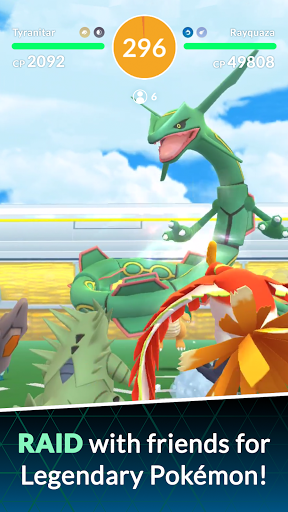
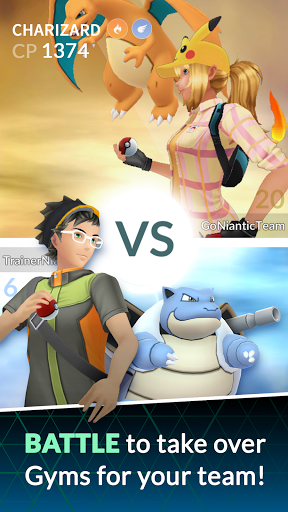
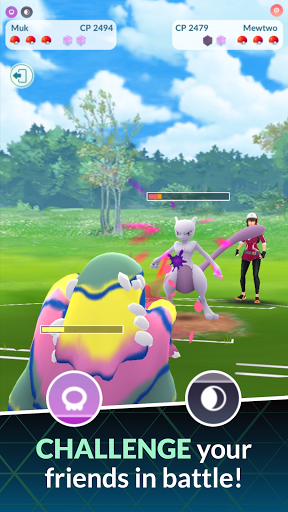
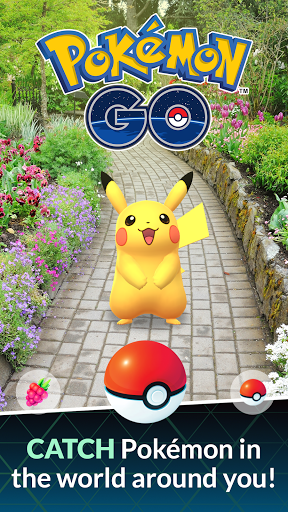
Pokémon GO is one of those apps that still feels different the moment you step outside with it. After spending real time with it as an everyday game rather than a nostalgia download, what stands out most is that it still delivers on a promise most mobile titles only fake: it changes your routine. A quick walk to the shop turns into a route with stops, a nearby Gym becomes a reason to linger for five minutes, and a lazy afternoon can suddenly turn into a small collecting expedition. That core idea has not lost its appeal. The best part of Pokémon GO is how naturally it turns movement into play. Many fitness-minded apps feel like exercise with a reward sticker attached. Pokémon GO does the reverse. It makes exploration, collecting, and light competition fun enough that the walking happens almost by accident. Catching new Pokémon, filling out the Pokédex, hatching eggs, spinning stops, sending gifts, and checking what is spawning nearby creates a pleasant loop that works especially well in short bursts. It is easy to open for ten minutes and still feel like you made progress. That sense of progression is one of the game’s strongest features. Early on, there is a satisfying rhythm to catching everything in sight, building up resources, evolving favorites, and gradually becoming strong enough to take on tougher battles and raids. The game is also surprisingly good at giving you multiple goals at once. On any given outing, we found ourselves chasing several layers of progress: items, XP, buddy rewards, field research, Pokédex entries, and Gym interactions. Even when one part of the game cooled off, another usually gave us a reason to keep going. The social side remains another major strength. Pokémon GO is at its best when it nudges people into shared play without demanding constant coordination. Raids, gifts, trading, and friendly competition at Gyms add just enough communal energy to make the world feel populated. Even when playing solo, there is a subtle pleasure in seeing evidence of other players around you. For families, friend groups, and anyone who enjoys games as an excuse to go somewhere, it has a warmth that most mobile games never achieve. There is also something to be said for how approachable the app remains. You do not need to be a deep systems expert to enjoy catching Pokémon and making gradual progress. It can be played casually, obsessively, or somewhere in between. That flexibility is a big reason it still works. You can spend a weekend hunting seriously, or just check in during walks and errands. But Pokémon GO is also a game that often feels older than it should. The framework gets the job done, but a lot of the friction feels inherited from an earlier era of mobile design. Menus can be clumsy, inventory management becomes a recurring annoyance, and some systems are less elegant than they ought to be after all these years. The storage limits on items and Pokémon are especially irritating because they interrupt the flow of play at exactly the wrong times. Few things are less fun than being ready to keep exploring and instead having to stop and prune your bag or transfer creatures one by one. Performance is another weak point. In regular use, the app can be perfectly fine for stretches, but it is still demanding in ways that matter. Battery drain is significant, and longer sessions can heat up a phone fast. On weaker devices, or even on some capable ones, lag and stutter can creep in, especially during busier moments like battles or events. Since this is a game built around being outside and moving, technical inefficiency hurts more than it would in a standard couch game. If your phone is already aging, you will notice the cost quickly. The third major drawback is that Pokémon GO sometimes overwhelms itself. There is almost always something happening, which sounds good on paper, but in practice the stack of raids, limited-time events, research tasks, tickets, bonuses, and rotating incentives can make the game feel busy rather than elegant. We enjoyed the variety, but there were also stretches where it felt as if the app was constantly trying to pull our attention in five directions at once. New or returning players may find the structure less welcoming than the simple fantasy at the heart of the game suggests. The battle side also remains a mixed bag. Gym and raid encounters can be exciting, especially when there is a social payoff, but combat does not always feel particularly refined. It works, and it can be compelling when stakes are high, yet it rarely feels like the most skillful or expressive part of the experience. For many players, the collecting and exploring are still the true stars. Who is this for? Pokémon GO is easy to recommend to Pokémon fans, walkers, collectors, and people who enjoy location-based games that fit into daily life. It is also a great match for anyone looking for a game that can be social without requiring voice chat, guild schedules, or long sessions. If you like the idea of a mobile game nudging you outdoors, it remains one of the best examples of that concept. Who is it not for? If you want a low-maintenance game that barely touches your battery, works equally well from the couch, or offers elegant, modern interface design with minimal hassle, Pokémon GO will test your patience. It is also a weaker fit if you live in an area with limited points of interest or unreliable connectivity, because the game’s magic depends heavily on location. Even now, Pokémon GO still has a spark few mobile games can match. It is not polished in every corner, and some of its most irritating problems are the kind that feel long overdue for improvement. Yet when the app clicks, when a walk turns into a hunt and a routine day turns into a small adventure, it reminds you why it became such a lasting phenomenon in the first place. Flawed, occasionally cumbersome, but still genuinely special.