
Apps Games Articles
Tomb of the Mask
Playgendary Limited
Rating 4.4star icon
Editor's summary
Editor rating
star icon star icon star icon star icon
half star icon
4.5

One-line summary Tomb of the Mask is one of the rare free mobile arcade games that feels genuinely skill-based and hard to put down, though its energy limits and occasional ad friction keep it from being an effortless recommendation for everyone.

  • Installs

    100M+

  • Developer

    Playgendary Limited

  • Category

    Action

  • Content Rating

    Everyone

  • Latest version

    1.10.5

  • Package

    com.playgendary.tom

Screenshots
In-depth review
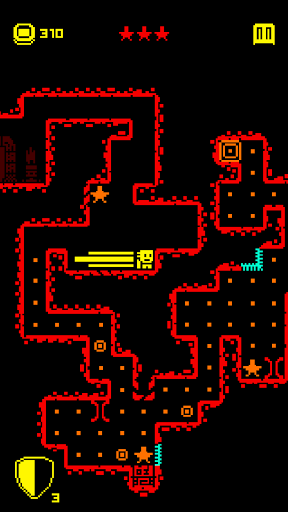
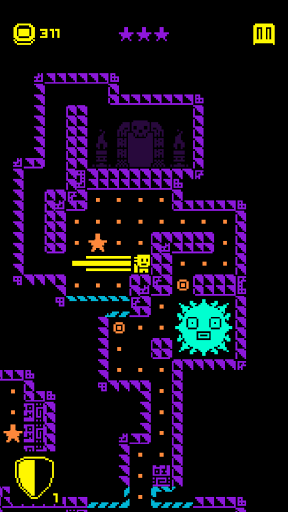
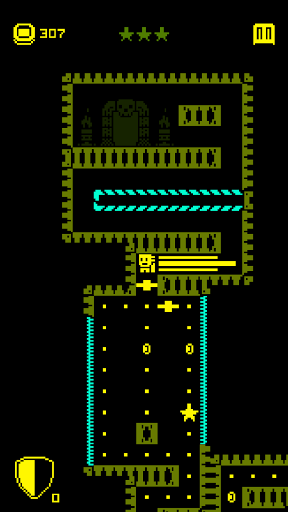
Tomb of the Mask understands a very specific kind of mobile fun: the kind you can jump into for a minute, fail instantly, try again, and somehow lose half an hour without noticing. After spending real time with it, what stands out most is how confidently it turns a simple swipe-to-move idea into something tense, fast, and surprisingly satisfying. This is not a game that wins you over with narrative or complexity. It wins with momentum. The core mechanic is excellent. You swipe in a direction and your character zips along the wall until hitting an obstacle or the end of a path. That one idea gives the whole game its identity. Movement feels immediate, and when a level clicks, you get into a rhythm where every swipe feels deliberate and clean. The best runs have that arcade quality where you stop thinking in individual inputs and start reacting on instinct. It is easy to learn within seconds, but the game steadily builds enough traps, timing puzzles, and enemy patterns that it never feels like a toy. That sense of escalation is one of the game’s biggest strengths. Early levels are simple enough to teach the logic of movement, then the design starts layering in spikes, shifting hazards, tighter paths, enemies, and pressure from below. The rising lava in particular is a smart addition because it stops the game from becoming too careful or puzzle-like. You are rarely allowed to sit and overthink for long. Tomb of the Mask works best when it pushes you into that uncomfortable zone between planning and panicking. It creates a constant low-grade tension that suits quick sessions perfectly. The presentation helps a lot. The pixel art is bright and readable, with a strong retro-arcade personality without feeling like empty nostalgia bait. Everything is bold enough to parse at speed, which matters in a game where split-second routing decisions decide whether you clear a section or slam straight into danger. Sound effects are punchy, the visual feedback is crisp, and the whole thing has that old-school cabinet energy translated nicely to a phone screen. It is simple, but not cheap-looking. Another thing the game gets right is how well it fits into everyday mobile use. Levels are short. Restarting is instant. You can play one stage while waiting in line or get pulled into a longer run when you have more time. There is also enough variety in hazards and level layouts to keep the campaign from feeling too repetitive for a good while, and the endless arcade side of the game is an effective alternate mode when you want pure score-chasing instead of structured progression. In practical terms, this is exactly the kind of game that belongs on a phone. That said, Tomb of the Mask is not frictionless. The biggest annoyance in regular play is the energy system tied to level attempts. It puts a cap on how long you can stay in the campaign unless you wait, watch ads, or otherwise work around it. In a game built around repetition, failure, and immediate retries, that kind of restriction feels especially clumsy. The design wants you to learn through rapid trial and error, but the energy gate occasionally interrupts that loop right when you are most invested. Ads are the second point of irritation. They are not the most aggressive you will see on mobile, and they do not completely drown the game, but they are present enough to be part of the experience. Depending on your tolerance, they range from manageable background noise to an immersion-breaking nuisance. The game itself is strong enough that you keep coming back, but the monetization layer is always hovering nearby, especially when paired with the energy restrictions. The third weakness is the controls, which are mostly sharp but not flawless. Because the game depends entirely on quick directional swipes, even a small input misread can feel brutal. Most of the time, movement is responsive and fair. But when a swipe goes the wrong direction or fails to register cleanly, the result is usually instant death, and that can make some losses feel more annoying than deserved. There are also moments in later stages where enemy placement and trap timing push the line between challenging and slightly excessive, especially when hazards stack in ways that leave little room to recover. Still, the important thing is that the game usually feels fair enough to trigger one more try rather than a rage uninstall. Deaths are frequent, but they tend to teach. You can usually see how you messed up, or at least what the game wanted from you. That is the difference between difficult and sloppy, and Tomb of the Mask lands on the right side of that line more often than not. So who is this for? If you like fast arcade games, score chasing, reflex challenges, retro presentation, and level-based design that can be enjoyed in tiny bursts, this is an easy recommendation. It is especially good for players who want something engaging without a long onboarding process or heavy commitment. If you enjoy mastering movement systems and shaving mistakes off repeat attempts, Tomb of the Mask delivers. Who is it not for? If you hate energy systems on principle, have very low tolerance for ads, or want precision platforming with zero input ambiguity, this may wear you down. It is also not ideal for players looking for a relaxed puzzle game or a deep progression-heavy action experience. In the end, Tomb of the Mask succeeds because the central mechanic is simply that good. It captures the old arcade feeling of pressure, rhythm, and instant retry better than most free mobile games manage. The monetization friction and occasional control frustration are real drawbacks, but they do not erase how polished, addictive, and well-paced the core experience is. When this game is in motion, it is terrific.