Apps Games Articles
Kick the Buddy-Fun Action Game
Playgendary Limited
Rating 4.1star icon
Editor's summary
Editor rating
star icon star icon star icon
half star icon
empty star icon
3.8

One-line summary Kick the Buddy is still a genuinely funny, low-effort stress reliever, but its constant ad pressure and heavy locking of content make it harder to recommend without reservations.

  • Installs

    100M+

  • Developer

    Playgendary Limited

  • Category

    Action

  • Content Rating

    Teen

  • Latest version

    2.15.1

  • Package

    com.playgendary.kickthebuddy

Screenshots
In-depth review
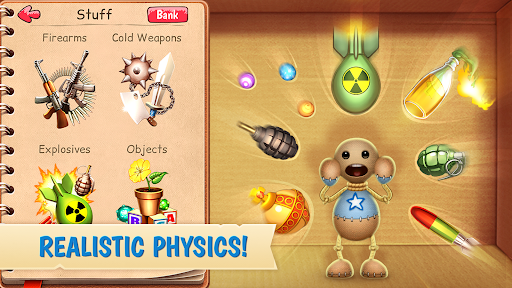
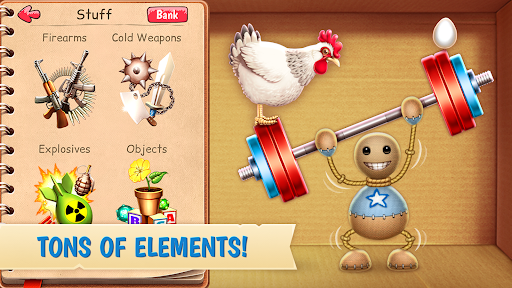
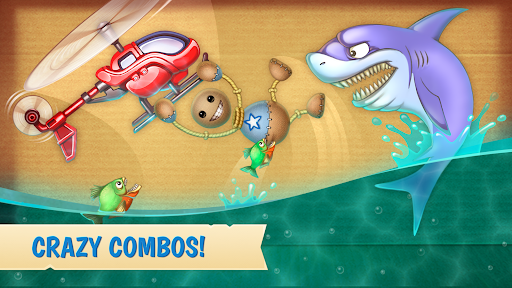
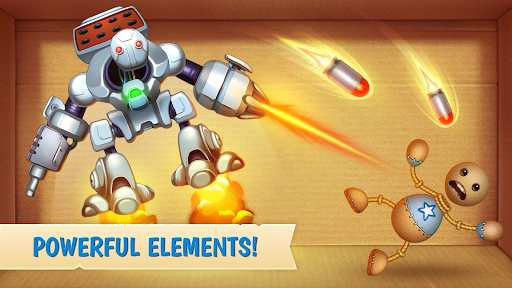
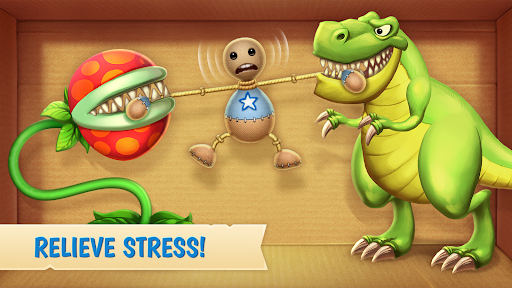
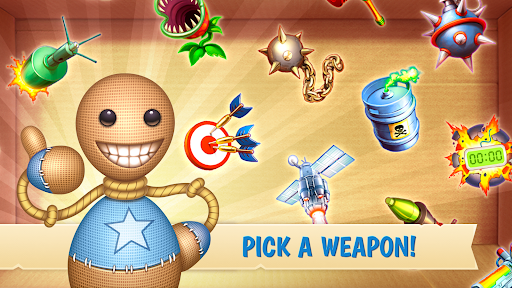
Kick the Buddy has been around long enough that most mobile players already know the pitch: you get a cartoon dummy, a room, and an ever-growing pile of ridiculous tools to smack, fling, zap, and otherwise torment him with. After spending real time with it on Android, I can say the game still understands its core appeal extremely well. It is immediate, silly, and strangely effective at doing exactly what a casual anti-stress game should do: giving you something mindless to poke at for a few minutes when your brain is fried. The best thing about Kick the Buddy is how quickly it gets out of its own way when you are actually playing. There is no complicated setup, no learning curve worth mentioning, and no strategy barrier keeping you from the joke. You load in, choose a weapon or gadget, and start interacting. Buddy flops around with exaggerated ragdoll physics, the reactions are intentionally over-the-top, and the whole thing has that toy-box energy that makes it easy to keep saying, “just one more round.” It works well in short bursts. I found myself opening it for five minutes between tasks and then lingering much longer than planned, just to see what the next item would do. That sense of experimentation is the game’s second big strength. A lot of stress-relief apps get repetitive after the first few sessions because they only offer one or two tricks. Kick the Buddy does a better job of keeping the sandbox interesting. Swapping between weapons, gadgets, and other absurd options gives the game variety, even though the basic objective never changes. Some of the fun comes from pure slapstick, some from the sound design and Buddy’s reactions, and some from the simple satisfaction of earning enough in-game currency to unlock another toy and test it immediately. The game understands that novelty is the fuel here. Visually, it also still has charm. This is not a technically impressive game in the way a high-end action title is impressive, but that is not the point. The graphics are colorful and clean, Buddy has a memorable personality, and the exaggerated cartoon style keeps the violence in firmly goofy territory rather than anything uncomfortable. That light tone matters. Even when the game is built around hitting a dummy with increasingly absurd tools, it feels more like interacting with a mischievous desktop toy than playing something grim. But Kick the Buddy also has a major problem, and it is impossible to ignore: ads are everywhere. Not just present, but aggressively present. During my time with the game, it often felt like every bit of momentum was being interrupted by another prompt, another reward video, another offer, another ad popping up after what should have been a natural stopping point. The problem is not that a free-to-play game has ads; plenty do. The problem is how often the game nudges, pushes, and sometimes practically shoves you toward them. It breaks the relaxing rhythm the app is supposed to create. That feeds into the second weakness: too much content feels locked behind either long ad chains or extended grinding. Kick the Buddy is at its best when it feels like a playful sandbox, but it regularly reminds you that the toy box is only partly open unless you sit through repeated videos or spend a lot of time accumulating resources. Unlock systems are expected in mobile games, but here they can make the experience feel less like spontaneous fun and more like waiting in line for fun. When a game built around stress relief starts testing your patience, that is a design contradiction. The third weak point is that the app can feel inconsistent depending on how you play. In some sessions it is breezy and entertaining; in others, menus, reward prompts, and interruptions make it feel cluttered. There is also a faint sense that the game is most enjoyable when you stay focused on the core loop and avoid poking around too many side systems. The moment you start browsing shops, claiming extras, or exploring progression too closely, the friction becomes much more obvious. That does not ruin the game, but it does chip away at the carefree mood. So who is this for? Kick the Buddy is a good fit for players who want a casual distraction with no real commitment, especially if they enjoy physics-based slapstick and the collectible appeal of unlocking goofy tools. It is well suited to quick sessions, commutes, waiting rooms, and those low-energy moments when you want to tap on something silly rather than think. It is also a decent pick for younger players or anyone who likes cartoon chaos more than structured gameplay, assuming they can tolerate free-to-play interruptions. Who is it not for? If you are impatient with ads, dislike heavily gated unlocks, or want a polished action game with clear goals and progression depth, this is probably not your app. It is not subtle, not elegant, and not especially respectful of your time once the monetization starts pressing in. In the end, Kick the Buddy remains appealing for the same reason it became popular in the first place: the core interaction is funny, tactile, and oddly soothing. There is real entertainment here, and in the right mood it absolutely delivers. But it also feels like a game constantly trying to monetize that entertainment before you can fully settle into it. If you can accept that trade-off, there is still a lot of dumb fun to be had. If you cannot, the app’s biggest stressor may end up being the game itself.